






caudexplants.com
Encephalartos Horridus: The Ultimate Hardy Cycad for Your Garden
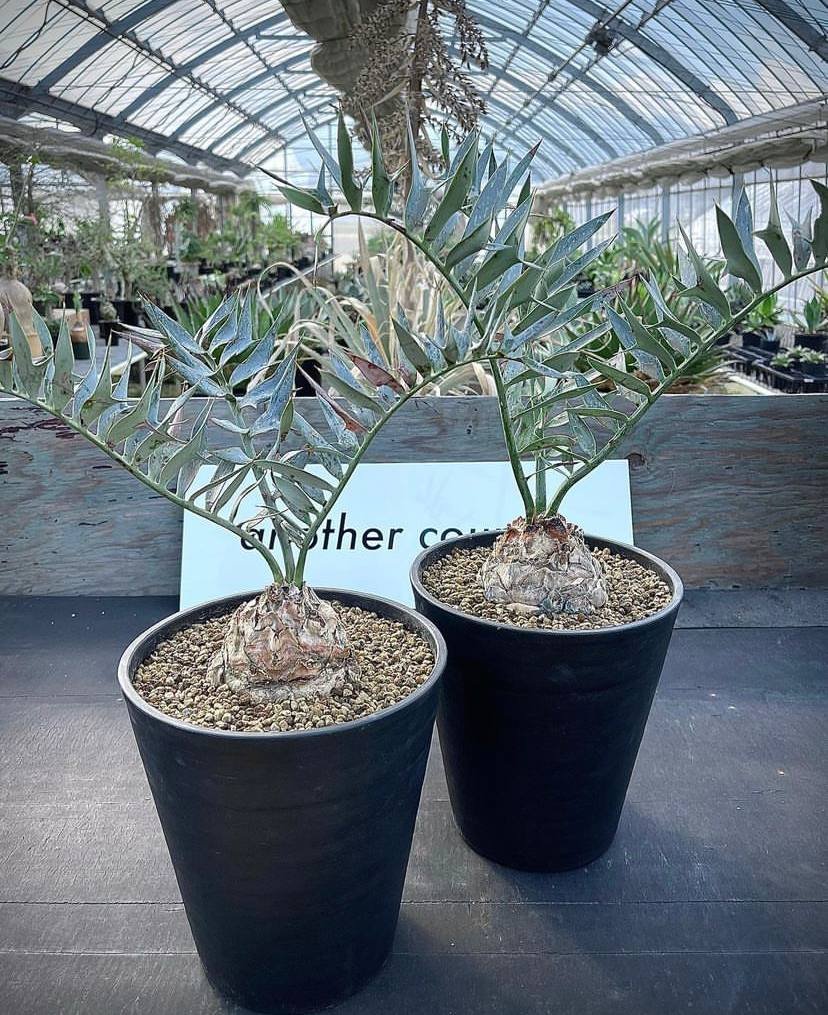
Encephalartos horridus plants, commonly known as the “Blue Cycad,” is one of the most sought-after species of cycads due to its unique and striking appearance.Join facebook group This slow-growing, evergreen plant is native to South Africa and is highly valued for its blue-gray, spiky leaves and distinct shape. Whether you’re an experienced gardener or a beginner looking to add a rare and stunning plant to your collection, the Encephalartos horridus offers a perfect balance of beauty, durability, and low-maintenance care.Purchase encephalartos horridus plants

Origins and Natural Habitat
Native to the coastal areas of South Africa, Encephalartos horridus plants thrives in dry, rocky environments where it has adapted to withstand harsh weather conditions. Growing in well-drained, sandy soils, it is typically found in rocky outcrops and hillsides where it has minimal access to water but maximizes its ability to conserve moisture. Encephalartos horridus is classified as a cycad, a group of ancient plants that date back over 250 million years, often referred to as “living fossils.”
This species is known for its tough, leathery leaves that have evolved to withstand the strong sun, high winds, and occasional droughts of its native environment. The plant is extremely hardy and resilient, making it a fantastic addition to xeriscaping, low-maintenance gardens, and areas with limited water resources .Purchase encephalartos horridus plants
Characteristics and Appearance
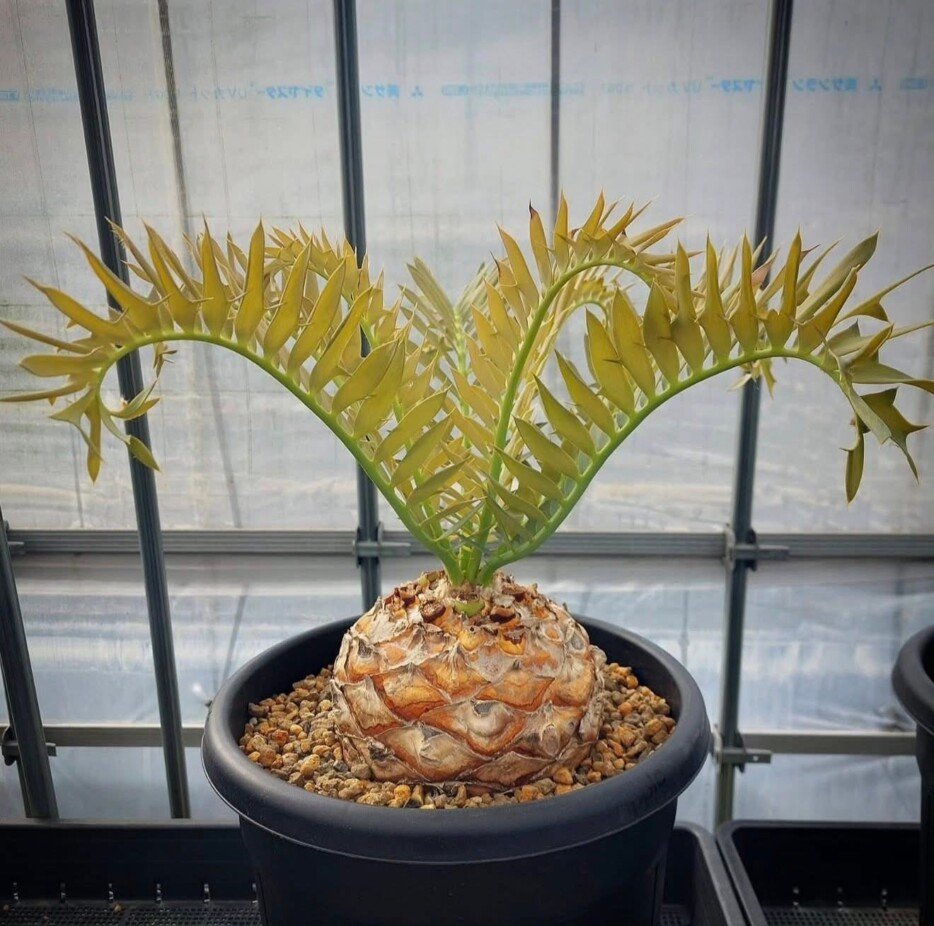
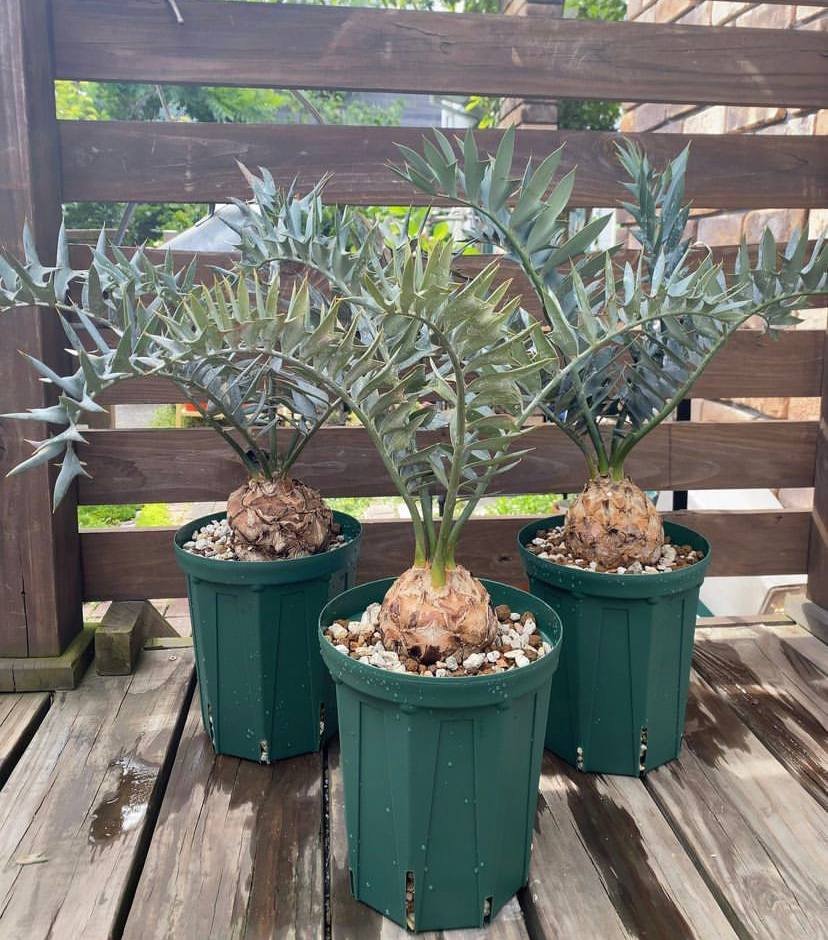
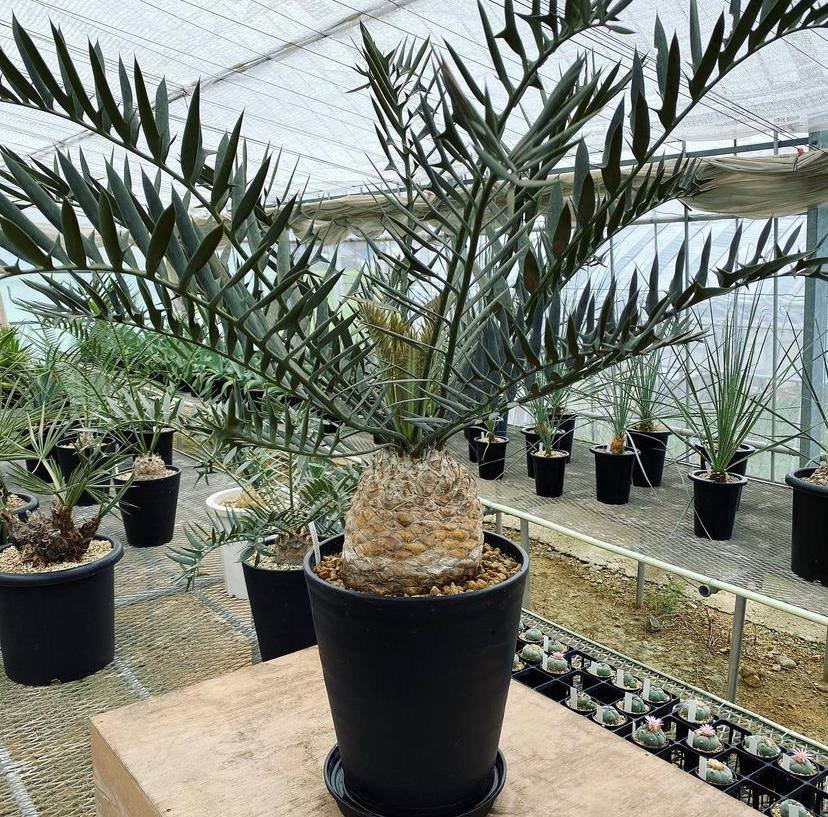
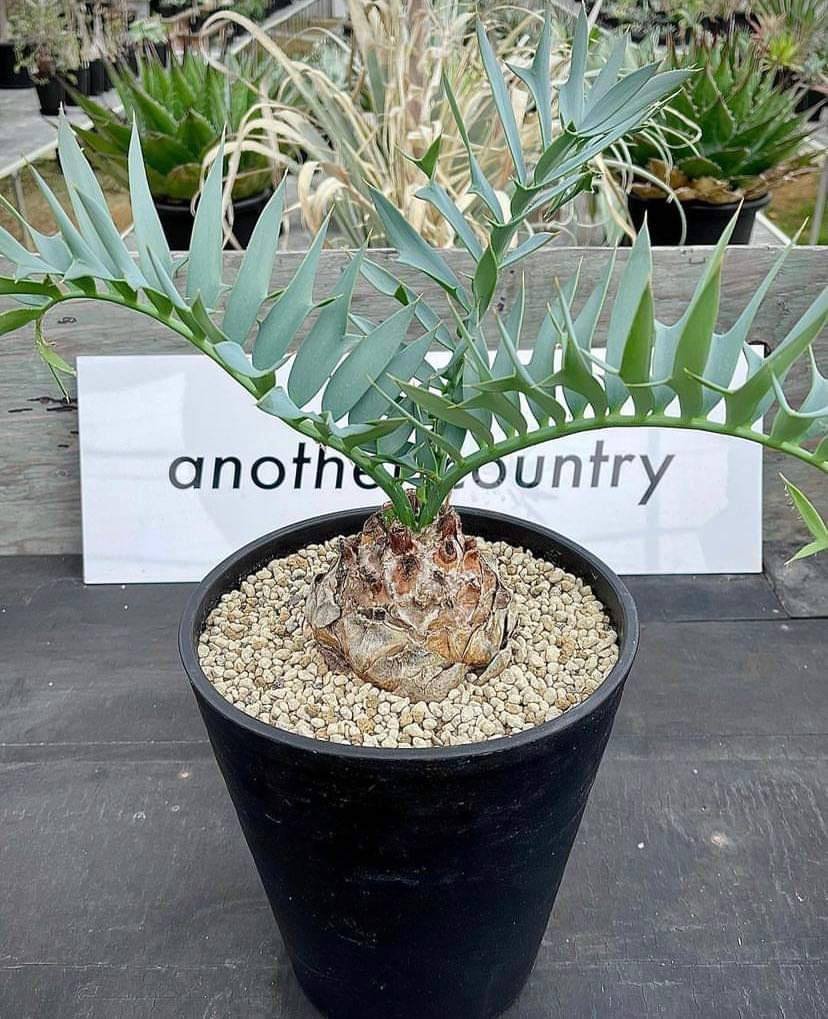
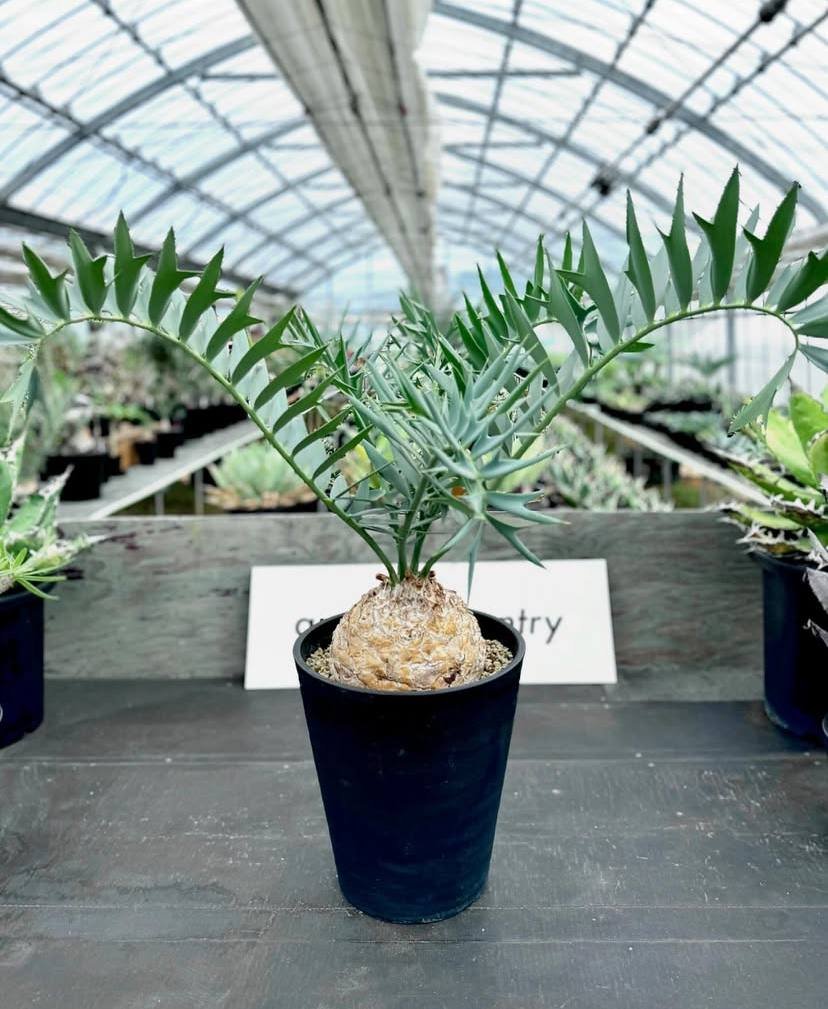
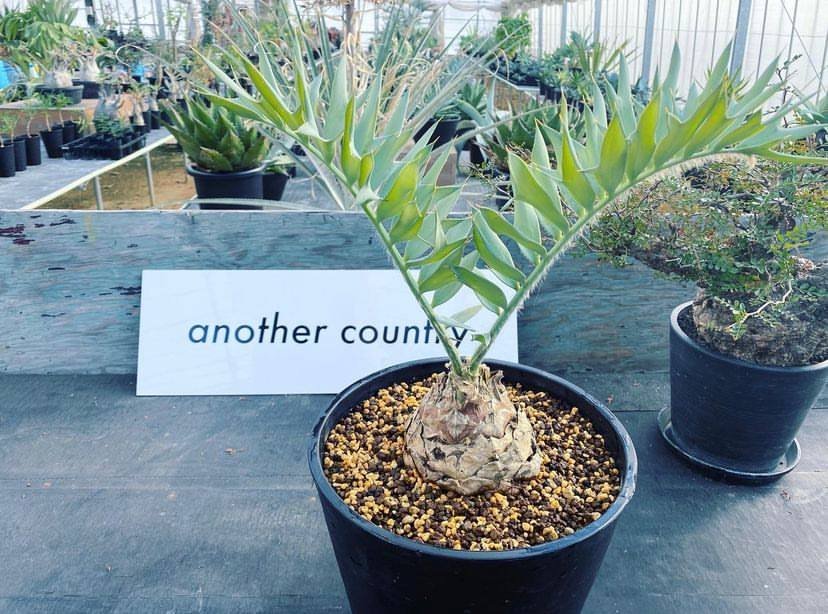
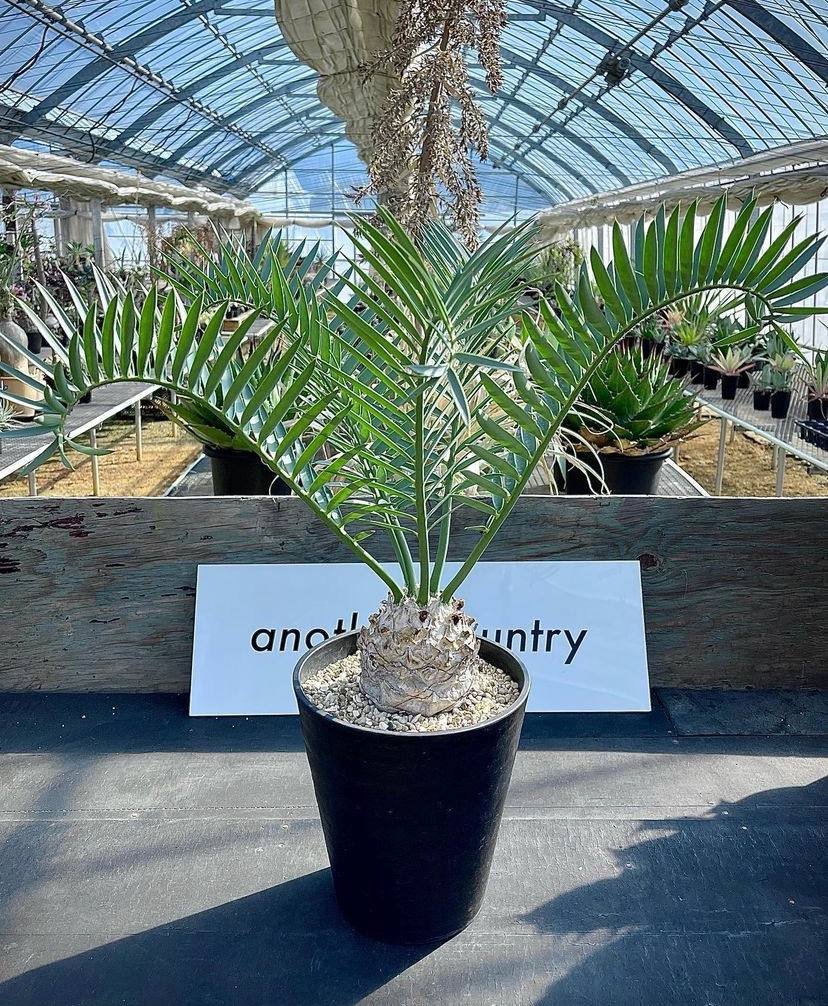
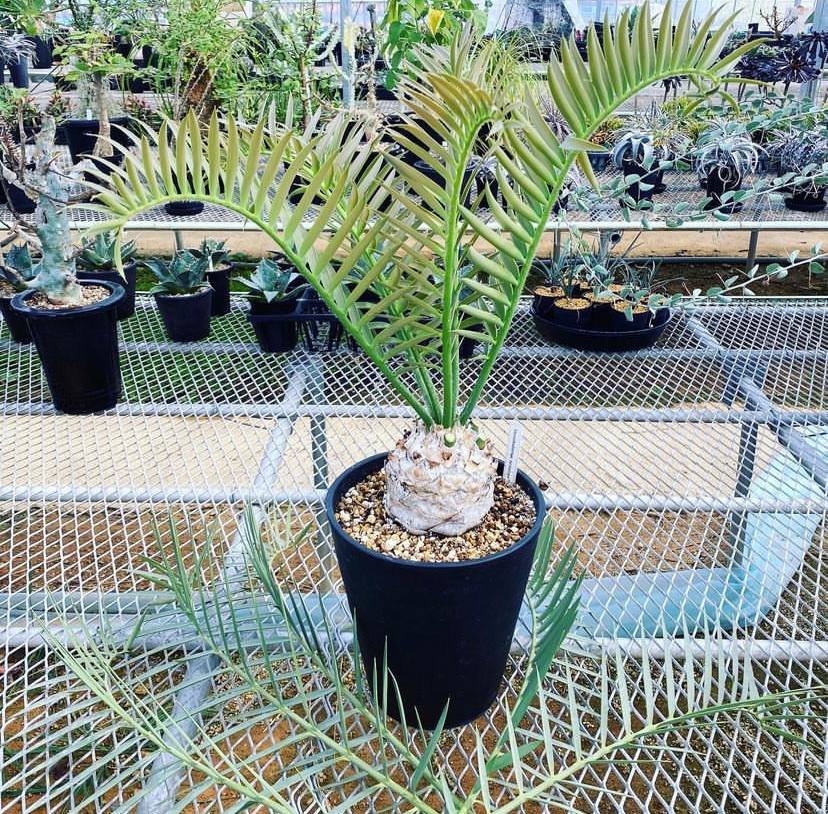
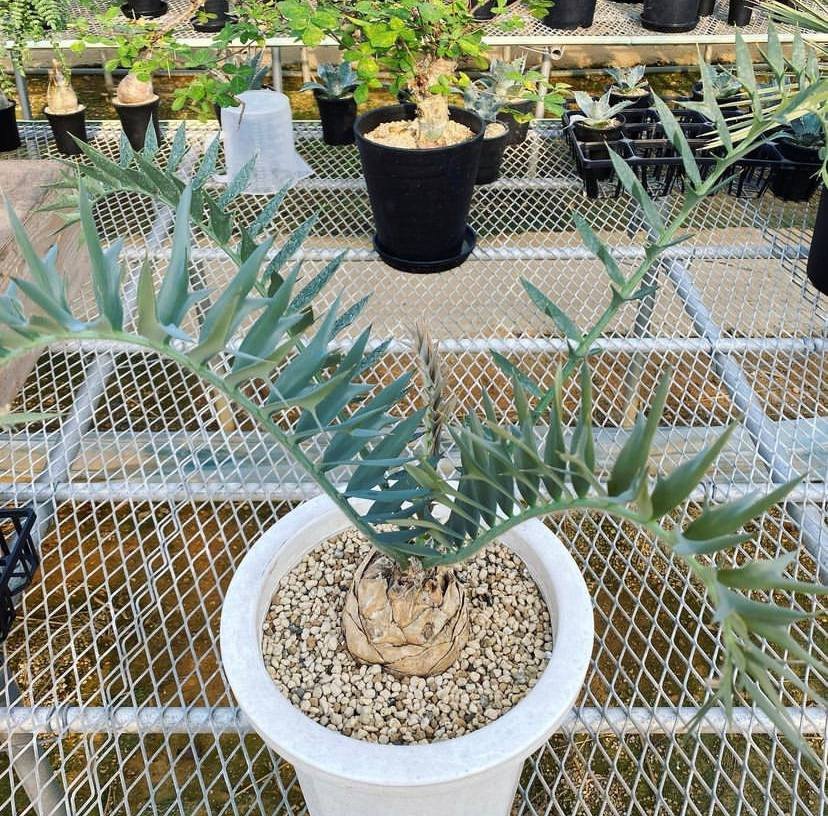
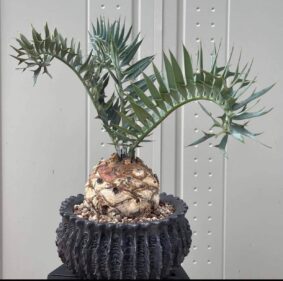
Encephalartos horridus plants are a stunning plant that stands out for its blue-gray to silver-blue leaves. These leaves grow in a dense, rosette-like formation, adding texture and structure to the landscape. The plant’s leaves are long, narrow, and spiny, giving it a sharp, architectural look. Unlike many other cycads, the Encephalartos horridus plants tends to maintain a relatively compact size, making it an ideal plant for smaller gardens, rockeries, or containers.
The leaves are stiff and leathery, with a slightly curved shape that radiates outward from a thick, single trunk or caudex. The blue color is particularly pronounced in full sun, where the plant’s hues become even more vivid. In its natural habitat, Encephalartos horridus can grow up to 6-10 feet tall, but it tends to remain smaller in cultivation, particularly when grown in containers.
A distinguishing feature of the Encephalartos horridus plants ,its reproductive structure. Like all cycads, it is dioecious, meaning that male and female reproductive organs are found on separate plants. The male plants produce cone-like structures, while female plants develop large, fleshy cones that release seeds. This sexual dimorphism is one of the key characteristics of cycads, making them both fascinating and a bit challenging to cultivate and propagate.
Growing and Caring for Encephalartos Horridus

Caring for Encephalartos horridus plants requires an understanding of its natural habitat and needs. While it is a tough and resilient plant, providing it with the proper care will ensure it thrives for years in your garden. Below are key tips for growing Encephalartos horridus:
-
Light Requirements: Encephalartos horridus plants thrives in full sun, where its blue-gray foliage can reach its full potential. The more sunlight it receives, the more vibrant its color will be. However, it can tolerate some partial shade, especially in extremely hot or dry climates. For optimal growth, plant it in an area that receives at least 6-8 hours of direct sunlight each day.
-
Soil and Drainage: This cycad prefers well-draining, sandy, or loamy soils. It is crucial that the soil does not retain excessive moisture, as this can lead to root rot. Encephalartos horridus plants does well in rocky, gravelly soil that mimics its natural environment. If growing in containers, ensure that the pot has excellent drainage to prevent water from accumulating at the bottom .Purchase encephalartos horridus plants
-
Watering: One of the main mistakes made when growing cycads like Encephalartos horridus is overwatering. While it does need occasional watering, it is a drought-tolerant plant and should never sit in soggy soil. Water the plant thoroughly, but allow the soil to dry out completely between waterings. In hot climates, it may need more frequent watering, especially during the growing season, but always ensure the soil dries out in between.
-
Temperature and Hardiness: Encephalartos horridus plants highly adaptable to a variety of climates but prefers warmer environments. It is hardy in USDA zones 9b to 11, meaning it can withstand temperatures as low as 25°F (-4°C) for short periods. However, it should be protected from frost, which can cause damage to the plant’s leaves and trunk. In areas with colder winters, Encephalartos horridus can be grown in containers and moved indoors to protect it from the cold.
-
Fertilizing: Encephalartos horridus plants are not a heavy feeder but benefits from occasional fertilization during the growing season. Use a slow-release, balanced fertilizer or one formulated specifically for cycads. Fertilize in the spring and again in mid-summer, but avoid over-fertilizing, as this can lead to excessive growth and weakened stems. It’s also important to avoid fertilizing in winter when the plant is dormant.
Encephalartos Horridus Plants in Landscaping
Due to its striking, architectural appearance, Encephalartos horridus plants is an excellent choice for a variety of landscaping projects. Here are some ideas for incorporating this unique cycad into your garden:
-
Accent Plant: Encephalartos horridus plants works beautifully as a focal point in a garden. Its striking leaves and symmetrical growth habit make it an ideal candidate for planting in a central position, where it can stand out and draw attention.
-
Rock Gardens and Xeriscaping: As a hardy, drought-tolerant plant, Encephalartos horridus is well-suited for rock gardens and xeriscaping designs. Its ability to withstand dry conditions makes it perfect for low-water landscapes, and it pairs well with other desert plants like succulents, agave, and yucca.
-
Container Gardening: For those with limited space or who want to bring the beauty of Encephalartos horridus indoors, container gardening is a great option. In a large pot, it will grow more slowly, which can help keep the plant at a manageable size. Place the pot near a sunny window or on a patio to enjoy its beauty.
-
Tropical and Mediterranean Gardens: While native to arid climates, Encephalartos horridus also thrives in tropical and Mediterranean-style gardens. Its blue-gray foliage contrasts beautifully with lush green plants, and it pairs well with palms, cycads, and other exotic plants.
Flowering and Reproduction
Encephalartos horridusPlants, like all cycads, produces cones for reproduction. Male plants produce pollen cones, while female plants produce large, fleshy seed cones. The pollination process typically occurs through wind or the help of insects. However, it is important to note that Encephalartos horridus is dioecious, meaning both male and female plants are required for successful reproduction.
Pollination and seed production in Encephalartos horridusplants can take years, making this plant a slow-growing but fascinating species to cultivate. If you are interested in propagating this cycad, you will need both male and female plants. Once seeds are produced, they can be harvested and planted in well-drained soil, though germination may take time. Many gardeners prefer to propagate Encephalartos horridus by using offsets, which can be carefully separated from the parent plant and potted for independent growth .Purchase encephalartos horridus plants
Common Issues and Pests
Encephalartos horridus is generally a pest-resistant plant. However, it can occasionally fall victim to common cycads pests, such as scale insects, mealybugs, or aphids. To protect your plant from pests, inspect it regularly and treat any infestations with a mild insecticidal soap or neem oil.
Another common issue with Encephalartos horridus is overwatering, which can lead to root rot. Always ensure that the soil has excellent drainage, and avoid watering the plant excessively. Over-fertilizing can also cause problems, as it may result in poor growth or weakening of the plant’s stems.

Why Choose Encephalartos Horridus?
Encephalartos horridus is a stunning, unique plant that adds architectural beauty to any landscape. Its striking, blue-gray foliage and compact size make it an excellent choice for gardens of all sizes, including rock gardens, xeriscaping, and container gardening. Whether you’re an experienced gardener or new to cycads, Encephalartos horridus offers an easy-to-care-for yet visually captivating option for your collection.
At our store, we offer healthy, robust Encephalartos horridus plants for sale. Whether you’re looking to add a new cycad to your garden or expand your collection of exotic plants, we ensure that you receive top-quality specimens that will thrive for years to come .Purchase encephalartos horridus plants
Conclusion
Encephalartos horridus is an extraordinary plant that brings unique color and texture to any landscape. Its resilience, striking blue-gray leaves, and slow growth make it an excellent addition to drought-tolerant, Mediterranean, or tropical gardens. With proper care and attention, this hardy cycad will reward you with years of beauty and interest. Whether you’re an avid collector or simply looking to add an exceptional plant to your space, Encephalartos horridus is a timeless choice for any gardener .Purchase encephalartos horridus plants
window.__oai_logHTML?window.__oai_logHTML():window.__oai_SSR_HTML=window.__oai_SSR_HTML||Date.now();requestAnimationFrame((function(){window.__oai_logTTI?window.__oai_logTTI():window.__oai_SSR_TTI=window.__oai_SSR_TTI||Date.now()}))