




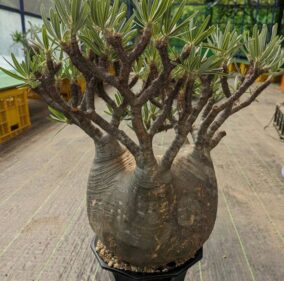
Pachypodium Gracilius: An Elegant Succulent for Your Garden

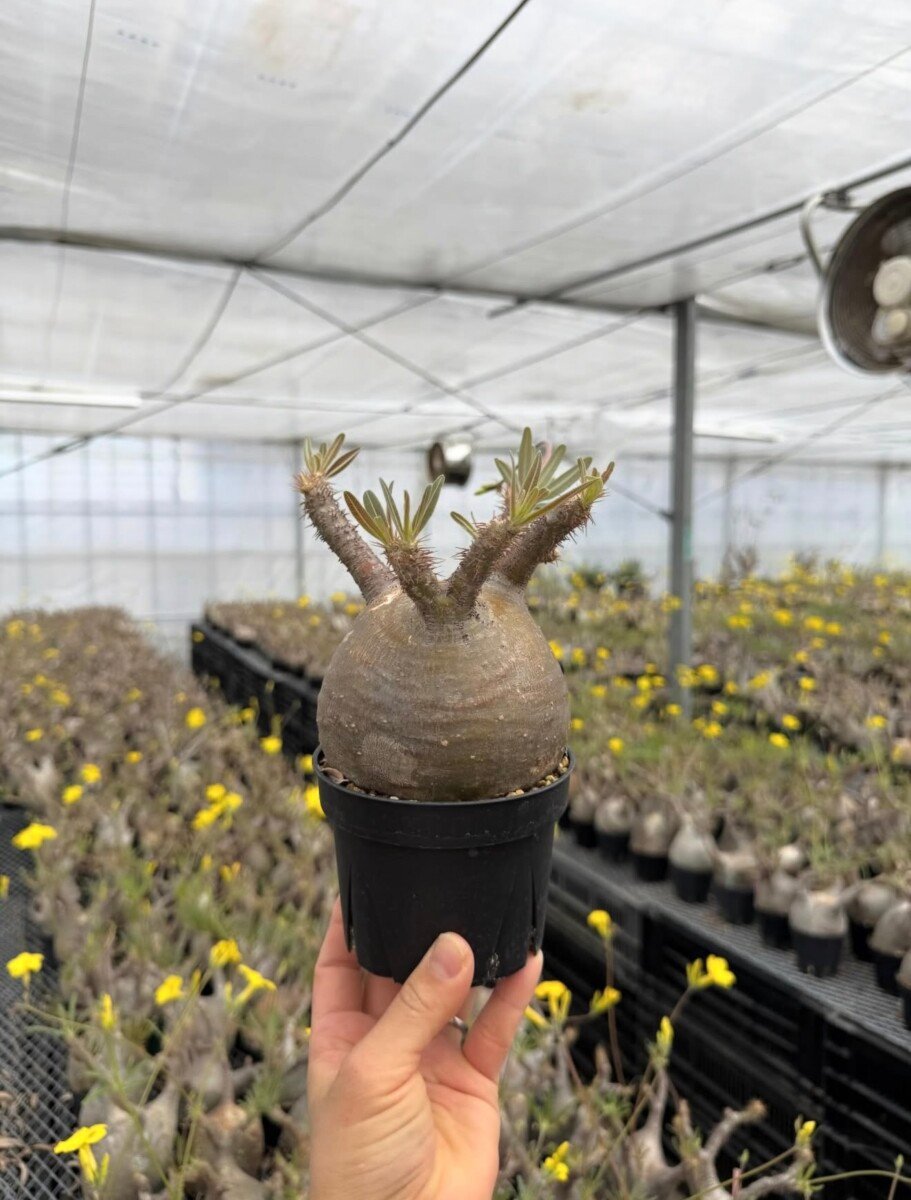
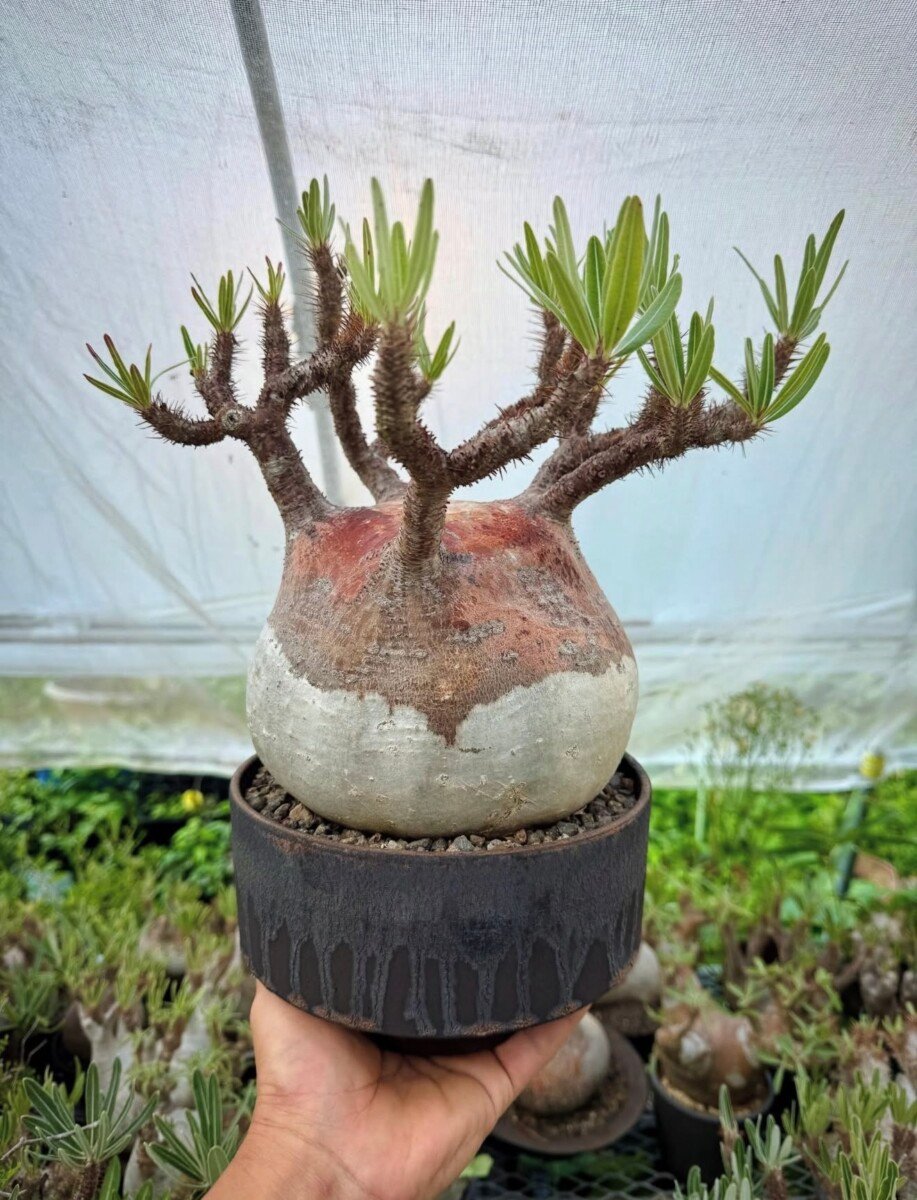
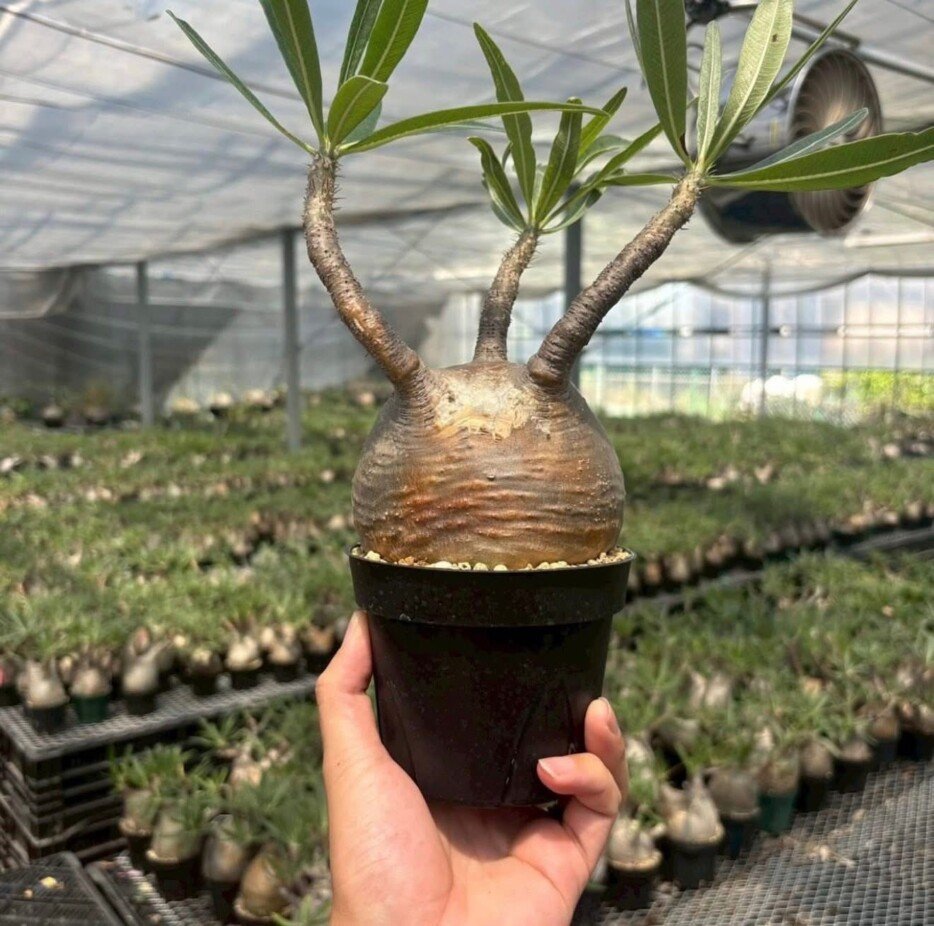
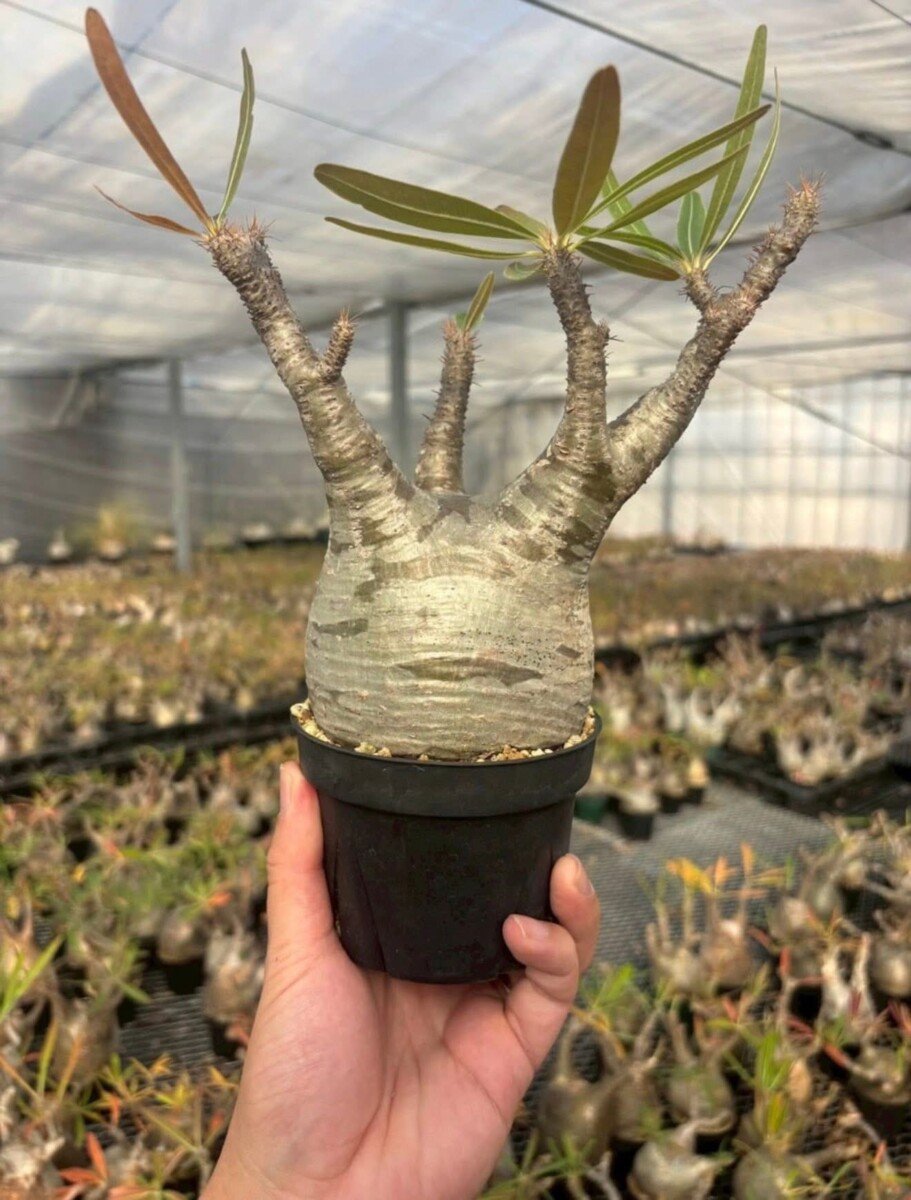
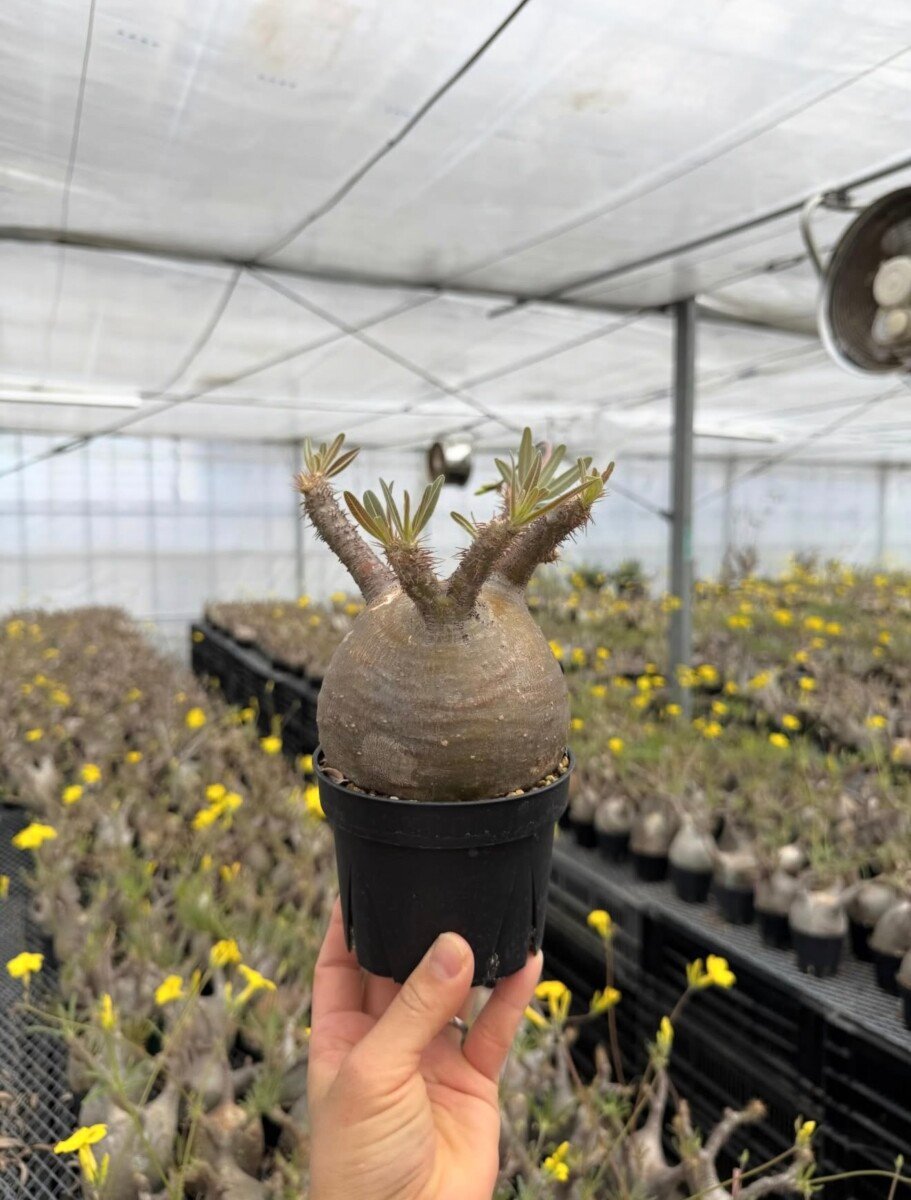
Pachypodium Gracilius, often referred to as the “Madagascar Palm,” is a striking succulent native to the arid regions of Madagascar. It is highly sought after for its unique appearance and easy-to-care-for nature, making it an excellent choice for collectors and garden enthusiasts alike. This remarkable plant is characterized by its slender, cylindrical trunk, striking spines, and elongated, glossy green leaves. Known for its aesthetic appeal, Pachypodium Gracilius thrives in warm, dry climates, making it a popular choice for succulent gardens worldwide.Buy your p Gracilius here:caudexplants.com
Why Choose Pachypodium Gracilius for Your Garden?
One of the primary reasons people opt for P Gracilius is its exotic look, which can instantly transform any garden or indoor space. Its architectural form adds structure and elegance, particularly when placed as a focal point in a succulent collection or even as a standalone feature. The plant is relatively low-maintenance, which makes it an ideal option for both beginner and seasoned gardeners.Buy your plants at:caudexplants.com
Pachypodium Gracilius has a unique ability to adapt to different environments, whether in pots or in the ground. The plant can endure droughts and doesn’t require frequent watering, which is one of the reasons it is a perfect choice for desert-themed landscapes. Additionally, its hardy nature ensures that Pachypodium Gracilius can withstand direct sunlight, making it a resilient and long-lasting plant in outdoor settings.shop your plants at:caudexshop
Features and Characteristics of Pachypodium Gracilius
Pachypodium Gracilius is known for its distinct and appealing features. The plant’s most noticeable characteristic is its tall, slim trunk, which can reach up to several feet in height. Order your caudex plants from:caudexplants.com The trunk is typically grey to brownish, with prominent spines that give the plant its spiky, architectural look. The leaves of Pachypodium Gracilius are elongated, leathery, and dark green, adding to the plant’s striking visual appeal.
In addition to its beauty, P Gracilius produces showy white flowers during the warmer months, adding an extra touch of elegance to your garden. These flowers bloom in clusters, and their fragrance is sure to attract pollinators, making it a lovely addition to any flower garden.Buy plants here:caudexshop
Growing Pachypodium Gracilius: Care Tips and Requirements
To successfully grow P Gracilius, it’s important to understand its environmental preferences and care needs. The plant thrives in full sunlight, so placing it in a bright, sunny spot is crucial for healthy growth. This succulent is also adapted to dry conditions and prefers well-draining soil. A cactus or succulent potting mix is ideal, as it ensures the roots don’t become waterlogged.
Watering Pachypodium Gracilius should be done sparingly. The plant is drought-tolerant and can survive long periods without water. In fact, overwatering is a common mistake and can lead to root rot. During the growing season, water once the soil has completely dried out. In winter, reduce watering as the plant goes into a dormant state.

Fertilizing P Gracilius is recommended during the growing season, typically from spring to early fall. Use a balanced, diluted fertilizer to encourage healthy growth and flowering. Avoid fertilizing in the winter months, as the plant is not actively growing during this time.
The Ideal Climate for Pachypodium Gracilius
As a plant native to Madagascar’s dry and semi-arid regions, P Gracilius thrives in warm climates. It is best suited for USDA hardiness zones 10-11, where the temperature does not dip below 30°F (-1°C). If you live in a colder climate, consider growing P Gracilius indoors in a container so that you can control its environment.
If planting Pachypodium Gracilius outdoors, be sure to choose a location with full sun exposure and excellent drainage. The plant can tolerate brief periods of mild frost, but extended exposure to freezing temperatures will damage the plant. If you’re growing it in an area with cooler winters, consider bringing it indoors during the cold months.
Propagation of Pachypodium Gracilius: A Guide for Beginners
Propagating Pachypodium Gracilius can be done through seeds or stem cuttings. While propagation from seeds can be a slow process, it can also be highly rewarding for those willing to invest the time. The seeds of Pachypodium Gracilius are tiny and need to be sown on the surface of a well-draining, moist soil mix. They require warmth and indirect sunlight to germinate.
Alternatively, you can propagate Pachypodium Gracilius by taking stem cuttings. To do this, select a healthy, mature stem and cut it just below a leaf node. Allow the cutting to dry for several days to form a callus over the cut end before planting it in well-draining soil. Be sure to keep the cutting in a warm, dry environment until it roots and starts to show signs of growth.
Pachypodium Gracilius in Containers: A Stylish Indoor Plant
Many people choose to grow P Gracilius in containers, as this allows them to control the growing conditions and move the plant indoors during the winter. Container planting is an excellent way to showcase the plant’s architectural form while ensuring it receives the proper care it needs to thrive.
When planting P Gracilius in a pot, choose one that is slightly larger than the root ball of the plant to allow for growth. Be sure to use a well-draining potting mix, such as a cactus or succulent mix, and ensure that the container has drainage holes to prevent water from accumulating at the bottom.
Position the plant in a location that receives plenty of sunlight, such as a south-facing windowsill, to keep it happy and healthy indoors. Additionally, remember to avoid overwatering, as containers retain moisture longer than garden soil.
Common Pests and Diseases Affecting P Gracilius
Though P Gracilius is relatively pest-resistant, it is not immune to certain pests and diseases. The most common pests that may affect the plant are aphids, mealybugs, and scale insects. These pests can be controlled by wiping the leaves with a damp cloth or using insecticidal soap if necessary.
Overwatering or poor drainage can lead to root rot, a condition that is harmful to P Gracilius. To avoid this, ensure that the plant is grown in well-draining soil and that the container has adequate drainage holes. Additionally, be cautious of fungal infections, which can sometimes occur in damp, humid conditions.
Why Pachypodium Gracilius is a Must-Have for Succulent Lovers
For succulent lovers, Pachypodium Gracilius is an essential addition to any collection. Not only does it offer an eye-catching visual appeal, but it also provides an easy-care, low-maintenance growing experience. Its unique shape and spiny trunk make it a striking focal point in any indoor or outdoor space, while its drought-resistant nature makes it a durable option for even the busiest gardeners.
The ability to grow P Gracilius both indoors and outdoors allows for versatility in garden design. Whether you’re looking to add height to a succulent garden or searching for a plant to complement your desert-themed landscape, P Gracilius is a plant that delivers both beauty and functionality.
Conclusion: Embrace the Beauty of Pachypodium Gracilius

In conclusion, Pachypodium Gracilius is an exceptional plant that combines beauty, elegance, and ease of care. Whether you’re a seasoned gardener or a beginner, this plant can enhance any space with its unique structure and stunning visual appeal. Its resilience in dry conditions and low-maintenance nature make it a perfect choice for both outdoor and indoor gardens. By following the care tips and understanding its growing requirements, you can enjoy the beauty of Pachypodium Gracilius for years to come