


Operculicarya Pachypus
Are you also interested in cactus ? shop Peyote catus.Shop Here
Operculicarya Pachypus: The Fascinating and Resilient Plant for Your Collection
Operculicarya pachypus is a captivating succulent native to the arid regions of Madagascar. Known for its unique, elephant foot-like base and sprawling branches, this plant has become a favorite among collectors and plant enthusiasts worldwide. You might also be interested in some cactus like Peyote catus.Shop Here . Its ability to adapt to various environments and require minimal care makes it an excellent addition to any home or garden. In this article, we will explore the features, care, and propagation techniques of Operculicarya pachypus, and why it’s such a remarkable plant to own.Buy your pachypus at:caudexplants.com
What is Operculicarya Pachypus?
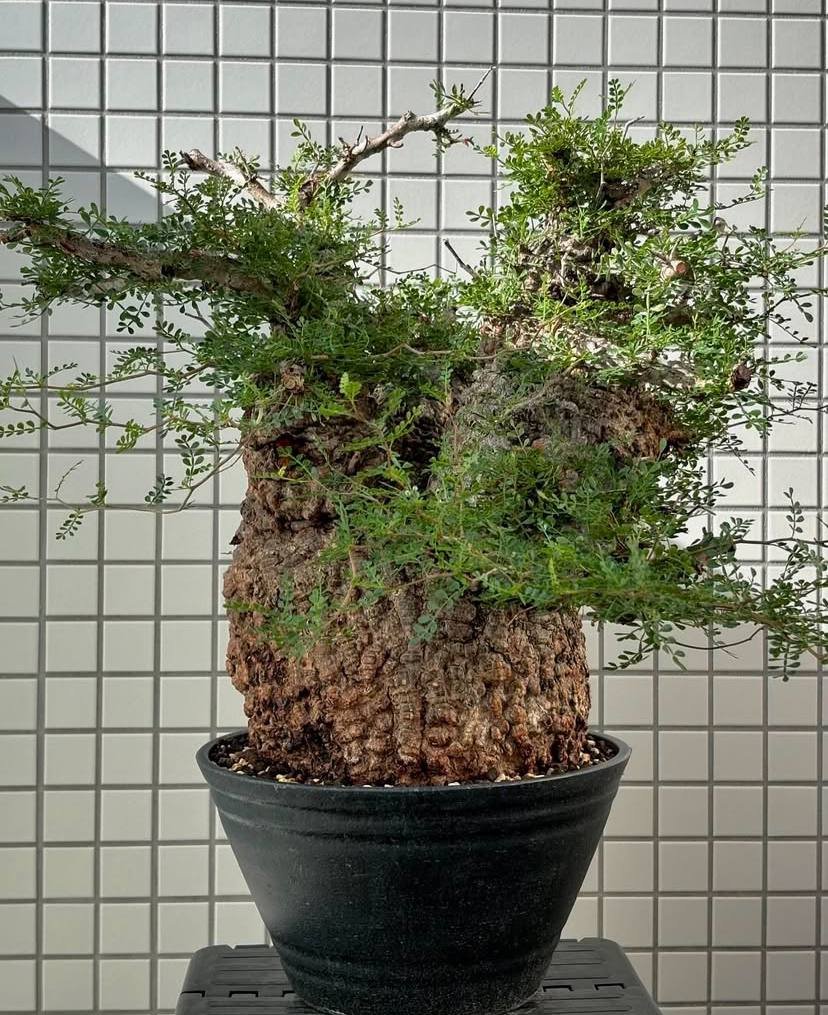
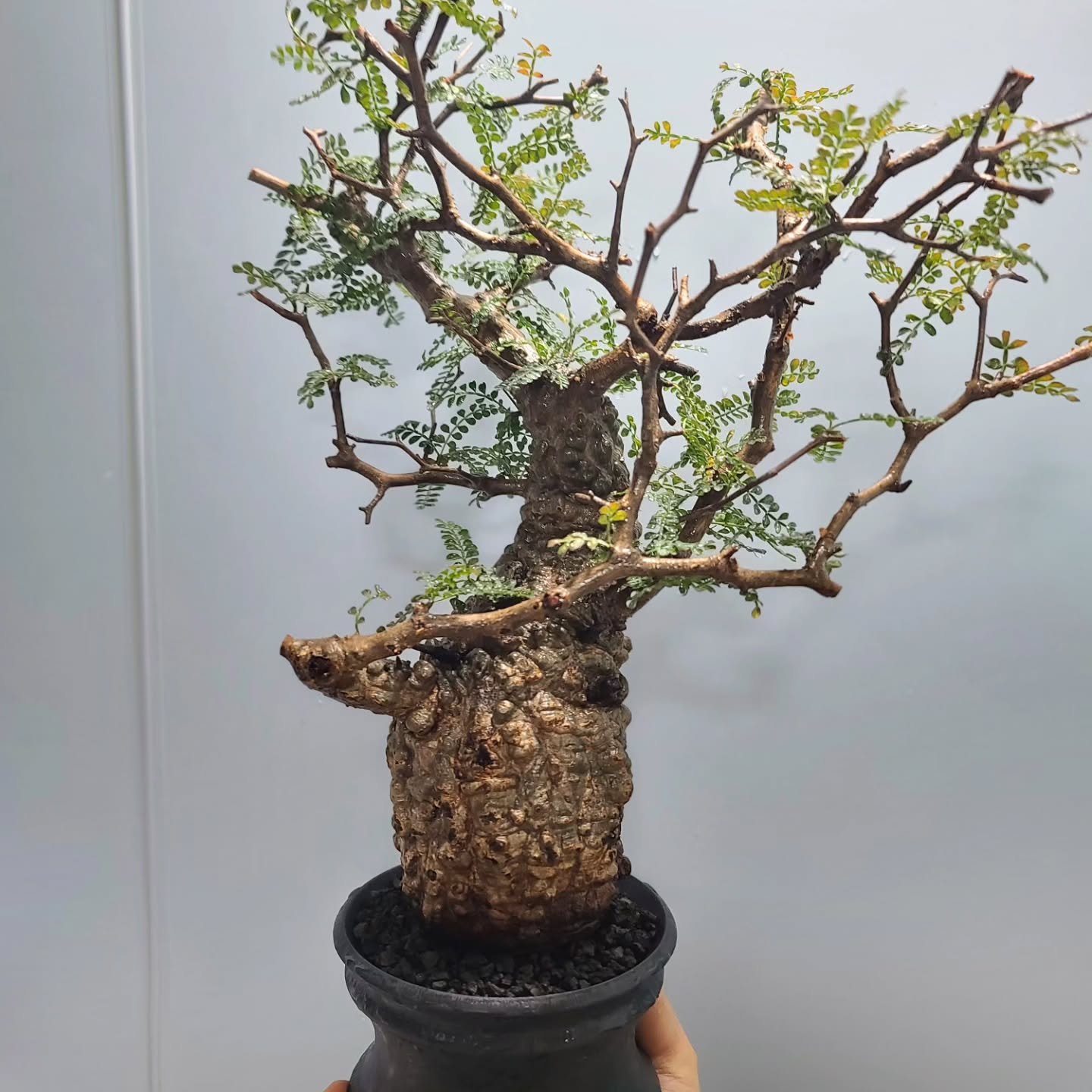
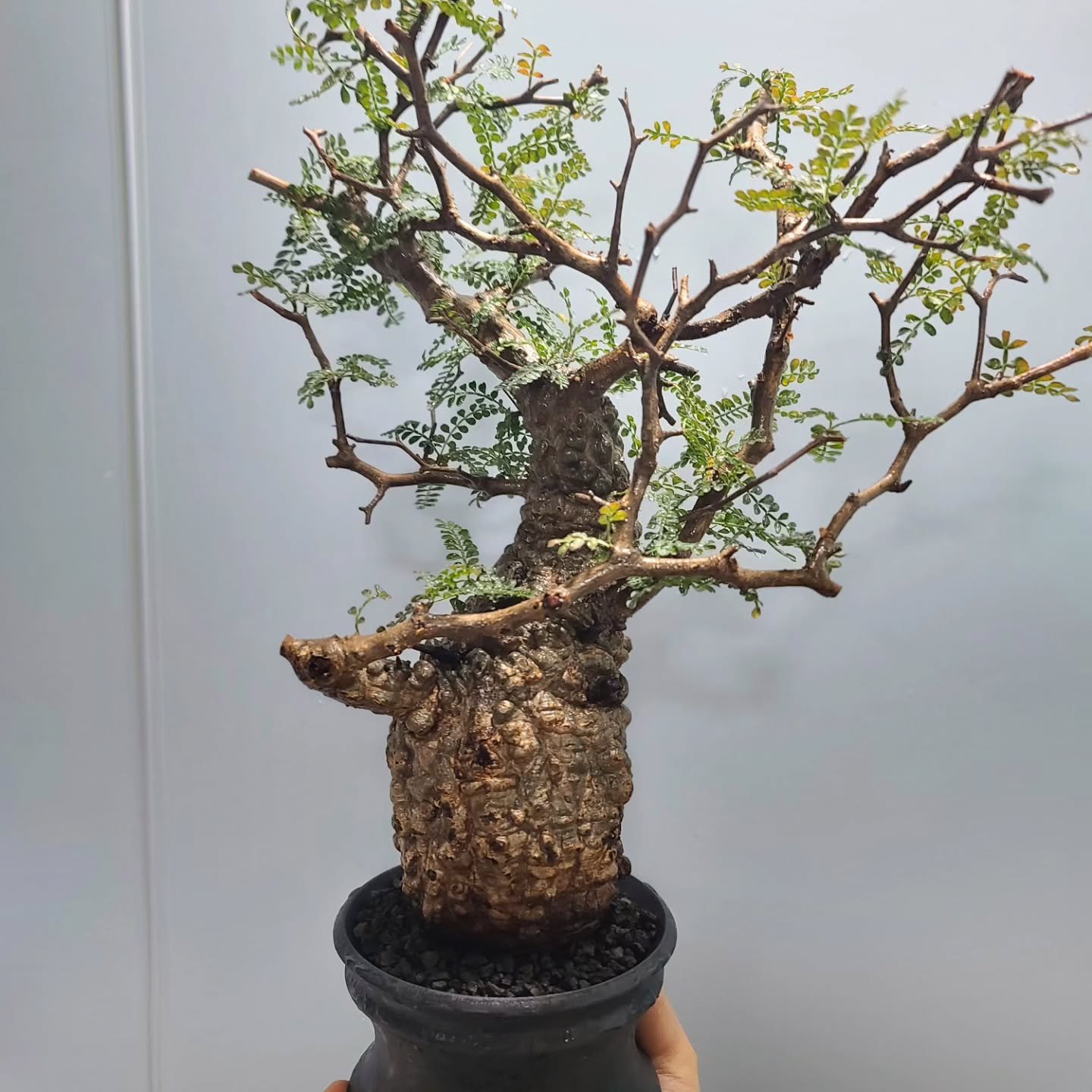
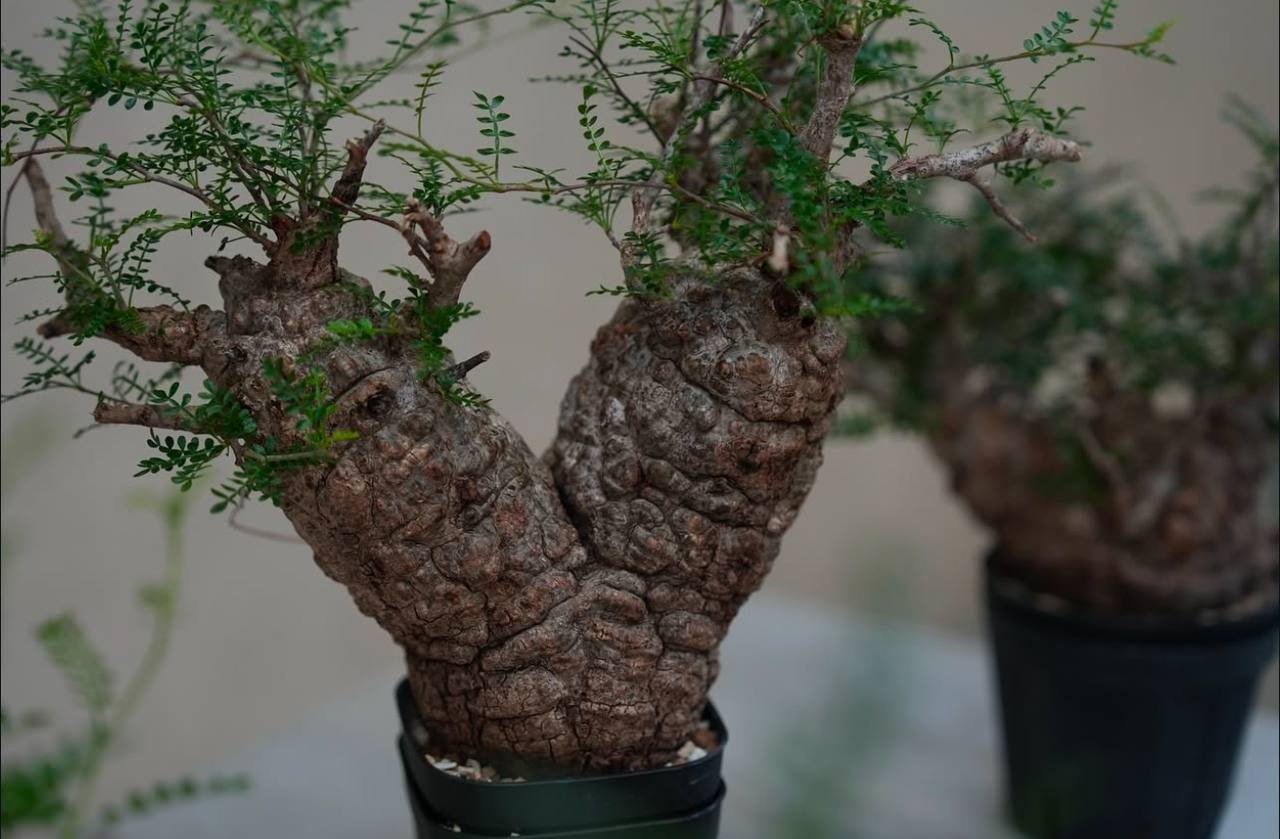
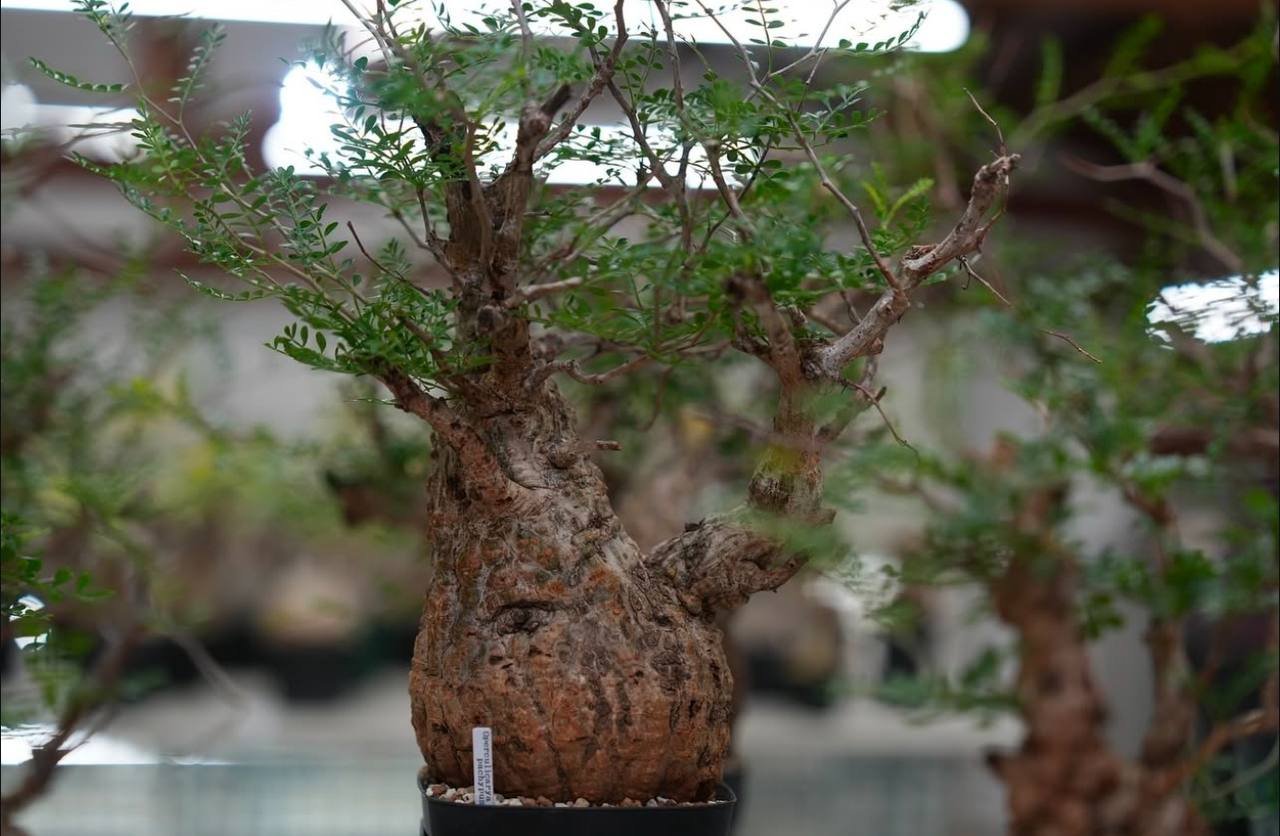
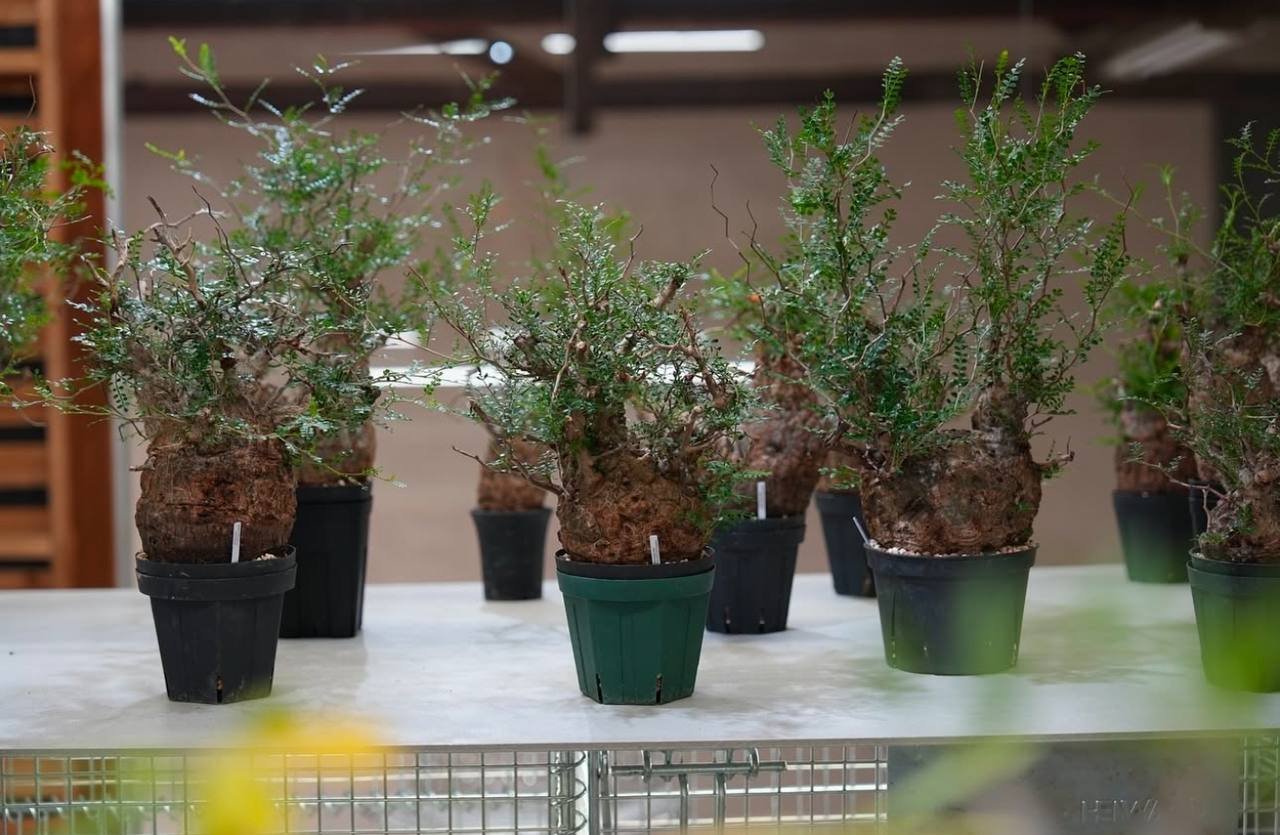
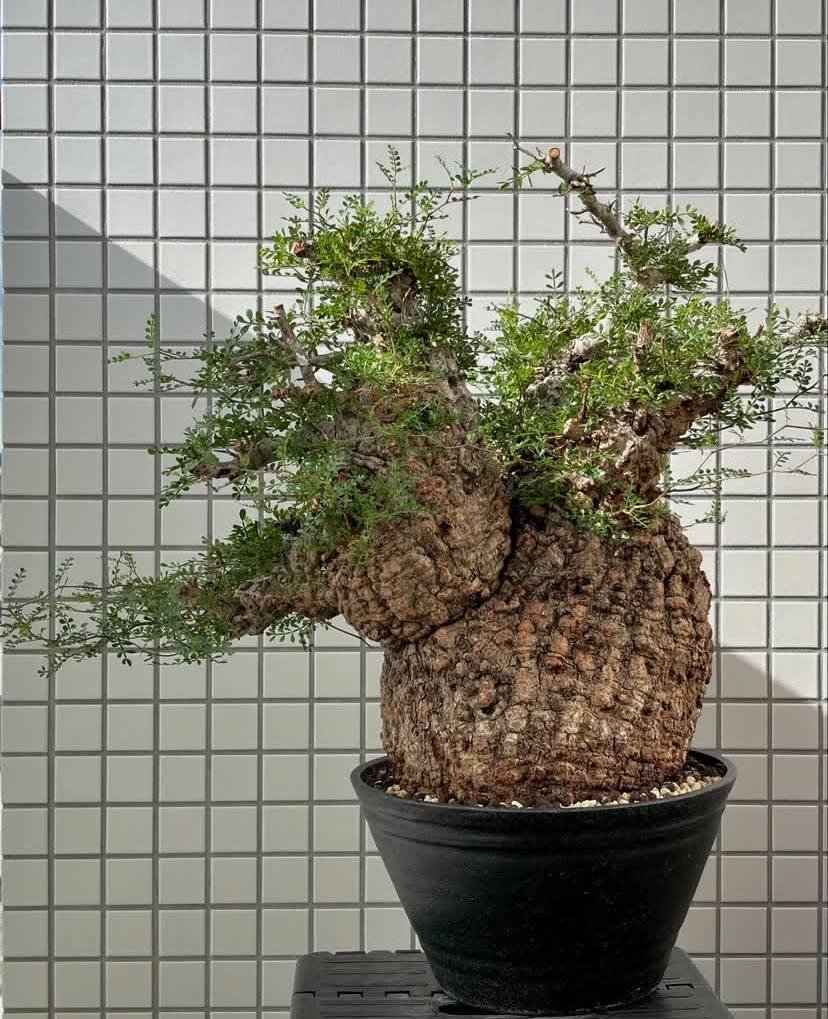
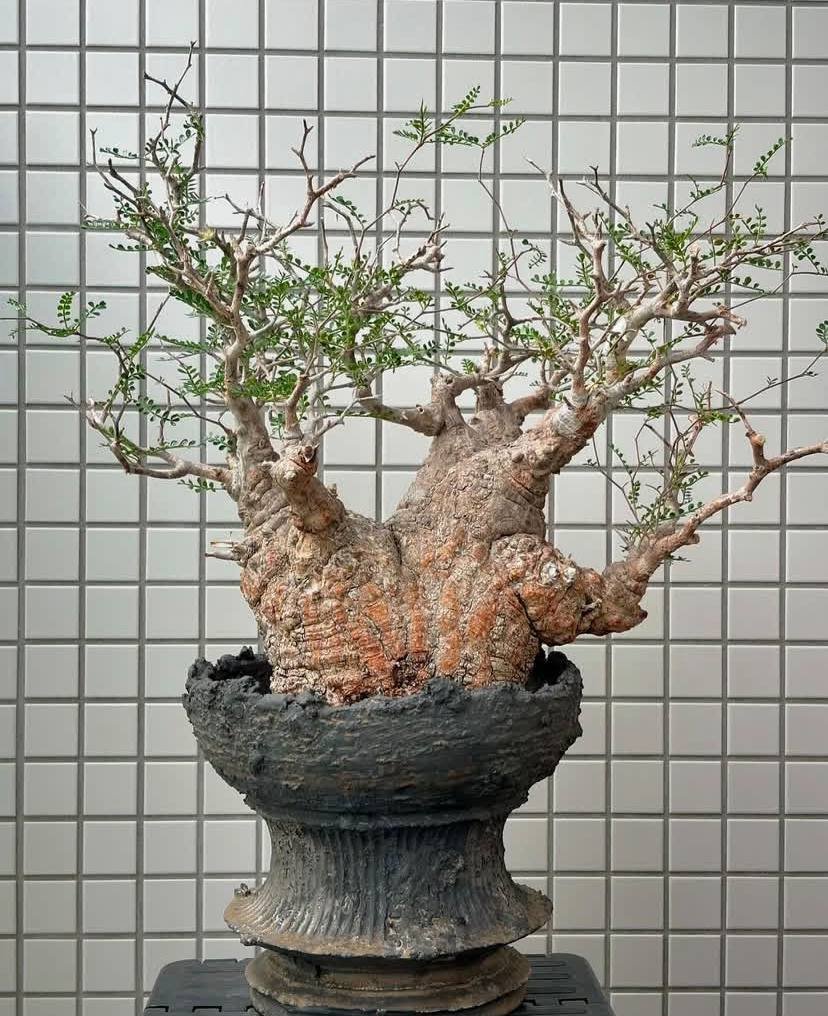
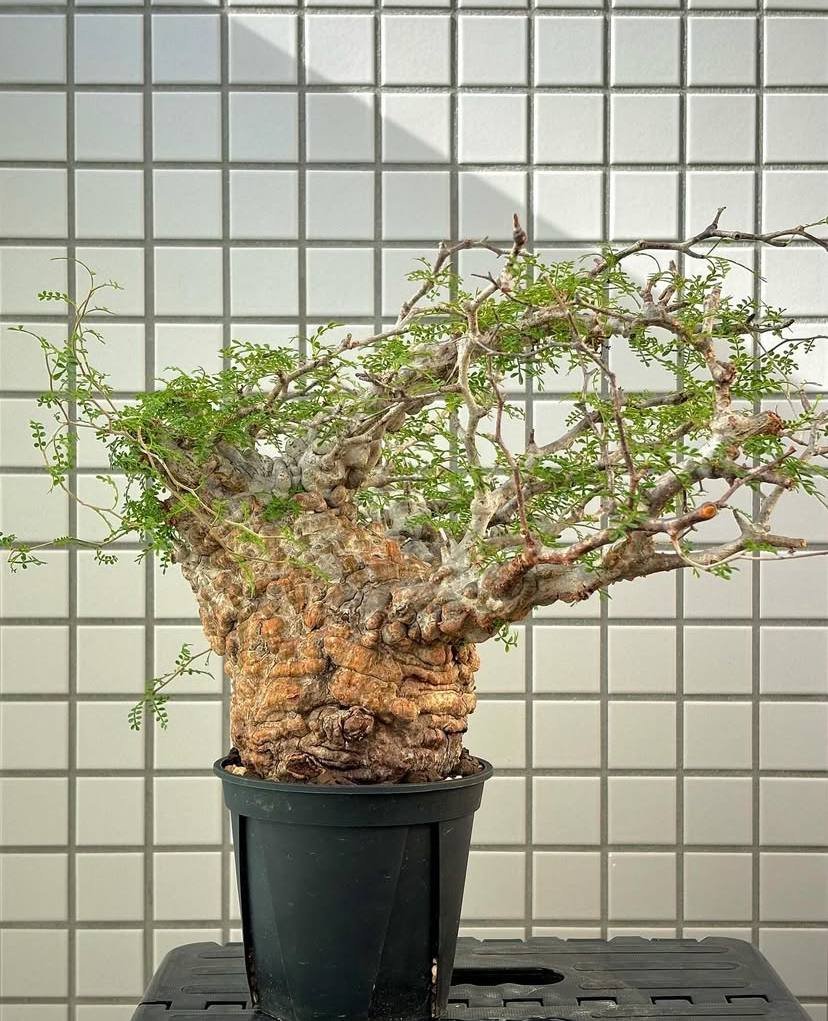
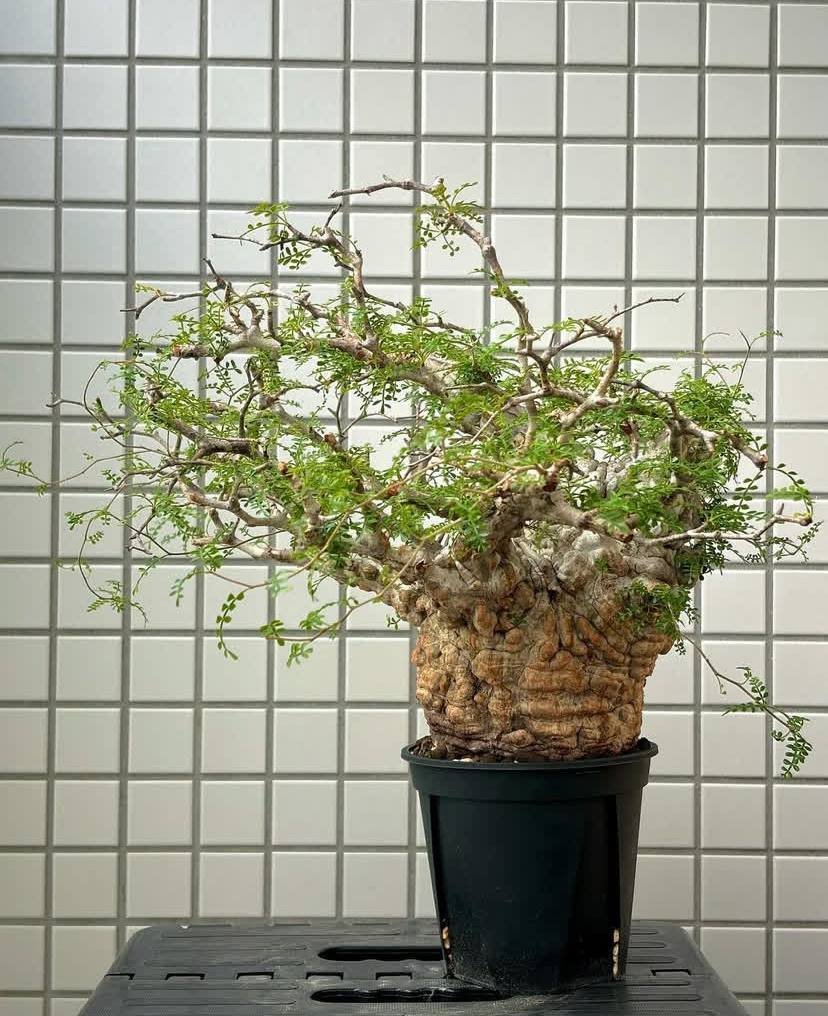
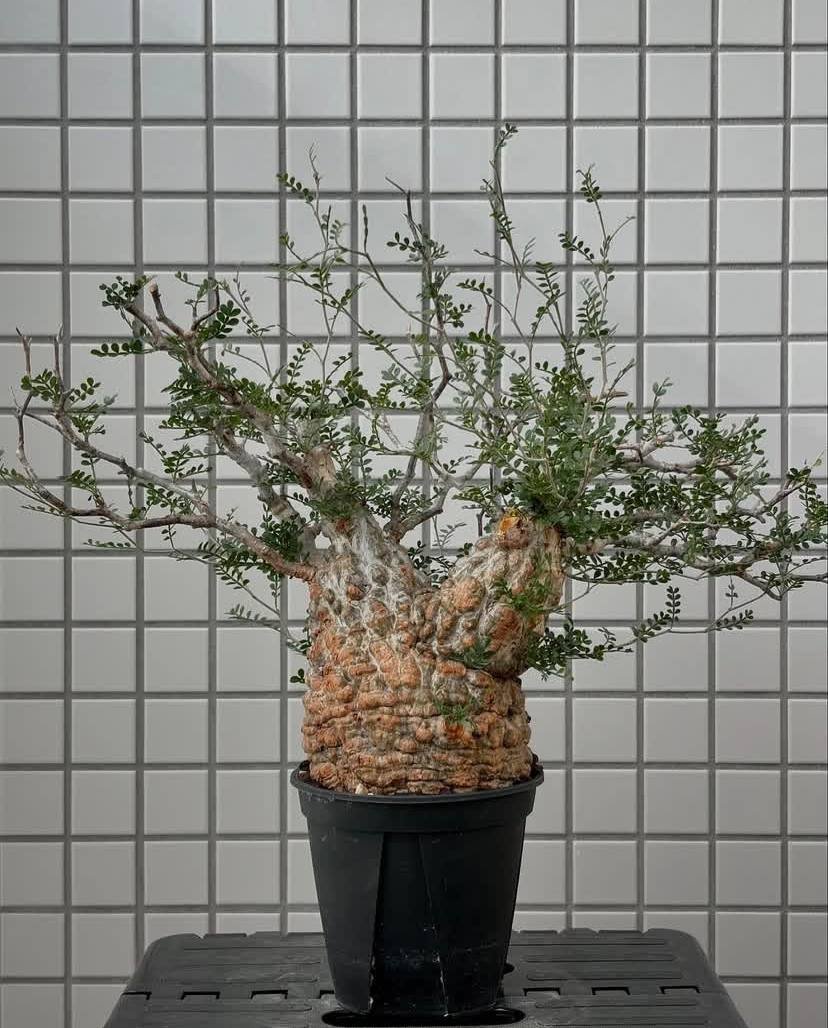
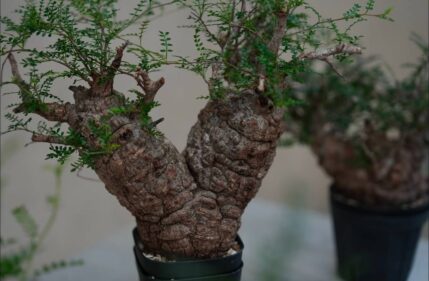
Operculicarya pachypus belongs to the family of Euphorbiaceae, commonly known as the spurge family. While it is closely related to other Madagascar natives, such as Pachypodium species, its unique physical features set it apart.Peyote catus.Shop Here .The plant has an unmistakable swollen, woody base that resembles the trunk of an elephant, which gives it its popular common name “elephant foot tree.” The plant produces succulent, green branches that contrast beautifully with the thick base, creating an attractive and unusual appearance.Order pachypus here:caudexplants.com
Native to the dry and semi-arid regions of Madagascar, Operculicarya pachypus thrives in conditions where water conservation is critical. It has developed a remarkable ability to store water in its trunk, making it a highly drought-resistant plant. Whether you’re looking for a conversation starter for your garden or a hardy plant for an indoor space, Operculicarya pachypus is sure to impress.Buy pachypus at:caudexplants.com
Why Choose Operculicarya Pachypus for Your Plant Collection?
Unique Aesthetic Appeal
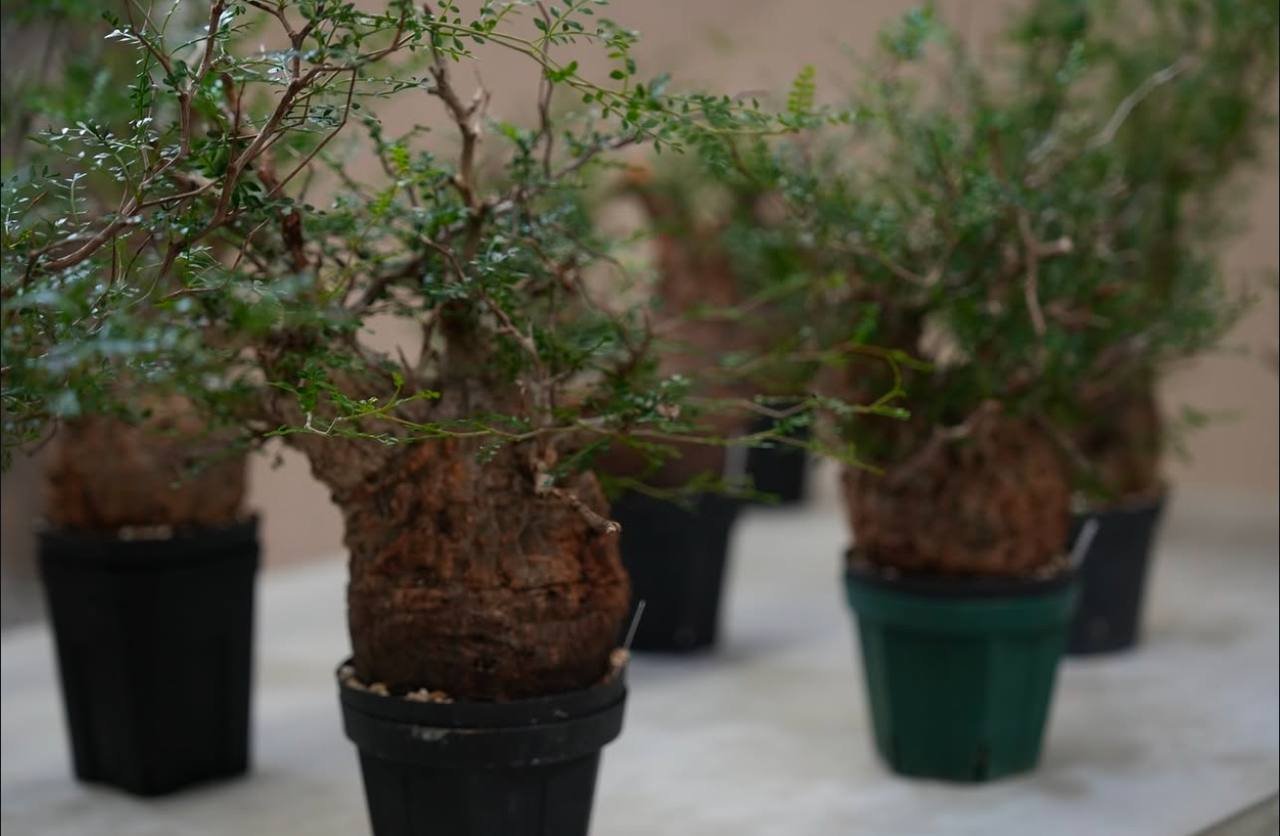
One of the main reasons Operculicarya pachypus stands out is its distinctive appearance. The plant’s swollen, elephant foot-like base, which serves as a water reservoir, is both visually appealing and highly functional. Over time, as the plant matures, this base can grow quite large, making it a focal point in any space. Its spindly, branching stems grow outwards, giving it an elegant, tree-like form that complements its unique base.Order pachypus at:caudexstore
In addition to its striking appearance, Operculicarya pachypus also produces small, inconspicuous flowers in spring, adding another layer of interest to this already fascinating plant. These tiny blossoms appear in clusters at the tips of the branches and, although not showy, add charm to the overall structure of the plant.shop your pachypus here:pachypusstore
Low Maintenance and Hardy Nature
Another key reason why Operculicarya pachypus is such an attractive option for plant lovers is its low-maintenance nature. As a drought-tolerant succulent, Operculicarya pachypus thrives with minimal attention. It stores water in its trunk, enabling it to survive extended dry periods, making it an ideal plant for those who may not have the time to water frequently.Buy your pachypus at:pachypusstore
Additionally, this plant is not easily affected by pests, making it an easy choice for gardeners who want a resilient plant without the hassle of constant care. Operculicarya pachypus is incredibly forgiving, making it suitable for both experienced gardeners and beginners looking to expand their succulent collection.Buy your pachypus at:caudexplants.com
Long Lifespan

When properly cared for, Operculicarya pachypus can live for many years. The slow-growing plant can continue to develop and mature over time, growing a more impressive trunk and larger branches. Its longevity makes it a worthwhile investment for plant collectors, who will enjoy watching it evolve into a unique, mature specimen.Buy pachypus at:caudexplants.com
How to Care for Operculicarya Pachypus
Caring for Operculicarya pachypus is straightforward once you understand its basic needs. Like many succulents, it requires specific conditions to thrive, but these are relatively easy to replicate in most homes and gardens.Order the best quality pachypus at:caudexstore
Light Requirements
Operculicarya pachypus prefers bright, indirect light. In its native Madagascar habitat, the plant receives intense sunlight, but it is shielded by other plants or rocks. Indoors, place the plant near a window that receives plenty of natural light, but avoid direct exposure to harsh midday sunlight, which could scorch the leaves. Outdoor-grown Operculicarya pachypus should be planted in a location that receives full sun in the morning but is protected from the afternoon heat.Order your pachypus here:caudexshop
While it can tolerate some lower light conditions, Operculicarya pachypus will grow more vigorously and look healthier when it receives adequate light.
Soil and Drainage
As a succulent, Operculicarya pachypus needs well-draining soil to prevent root rot. A cactus or succulent-specific potting mix is ideal, but if you’re using standard potting soil, mix in sand or perlite to improve drainage. When planting Operculicarya pachypus in a pot, be sure to choose one with drainage holes to allow excess water to escape.Buy your pachypus with other plants at:caudexplants.com
If planting Operculicarya pachypus outdoors, ensure that the soil is sandy and drains well. You may need to amend your garden soil with organic matter or sand to improve its drainage capabilities.Shop your pachypus at:caudexstore
Watering
Operculicarya pachypus is a drought-tolerant plant, so it’s essential not to overwater it. Water the plant thoroughly, but only when the soil is completely dry. In the warmer growing months (spring and summer), it may require more frequent watering, but in winter, when it is dormant, watering should be minimal. Overwatering can lead to root rot, so it’s better to underwater than overwater.
Temperature and Humidity
Native to the dry climates of Madagascar, pachypus prefers warm temperatures and low humidity. It thrives in temperatures between 70°F to 85°F (21°C to 29°C) during the growing season. In winter, it can tolerate slightly cooler temperatures, but it should be kept away from drafts and freezing conditions.
While pachypus doesn’t require high humidity, it will benefit from occasional misting during extremely dry spells, especially in indoor environments with low humidity.
Fertilization
Operculicarya pachypus is not a heavy feeder, but it will benefit from occasional fertilization during the growing season. Use a balanced, diluted fertilizer once every 4-6 weeks to promote healthy growth. During the winter months, the plant is dormant and should not be fertilized. Over-fertilizing can lead to weak, leggy growth, so it’s important to follow the recommended dosage.

Propagating Operculicarya Pachypus
If you wish to propagate pachypus, the most common method is through stem cuttings. Here’s how you can propagate this plant:Buy your pachypus here:caudexshop
Taking a Cutting
- Choose a Healthy Stem: Select a healthy, non-flowering stem for propagation. Using clean, sharp scissors or pruning shears, cut a segment that’s about 4-6 inches long.
- Allow the Cutting to Callus: Before planting, allow the cutting to dry and callus over for 1-2 days. This helps prevent rot.
- Planting the Cutting: Once the cutting has callused, plant it in well-draining soil. Water it lightly and place it in a warm, bright location with indirect sunlight.
- Wait for Rooting: After a few weeks, you should start to see new roots forming. Keep the cutting in a warm spot and continue to water sparingly until it is established.
Offsets and Division
If your pachypus produces offsets or suckers around the base, these can be gently separated and planted in their own pots. This process is similar to dividing a plant, but it requires more care to avoid damaging the roots of the parent plant.
Common Problems with Operculicarya Pachypus
Yellowing Leaves
If the leaves of your pachypus start to turn yellow, it is often a sign of overwatering or poor drainage. Ensure that the plant is not sitting in water, and allow the soil to dry out completely between waterings.BUY YOUR PACHYPUS HERE:caudexstore
Root Rot
Root rot is a common issue for succulents that are overwatered or planted in poorly draining soil. If you notice any signs of root rot, such as a foul smell or mushy stems, remove the plant from its pot, trim away the affected roots, and repot it in fresh, well-draining soil.Shop your pachypus here:caudexstore
Pests
Although pachypus is generally pest-resistant, it can still attract aphids, mealybugs, or spider mites. If you notice pests on your plant, treat it with insecticidal soap or wipe the leaves with a damp cloth to remove them.
Where to Buy Operculicarya Pachypus
pachypus can be found at specialty nurseries, online retailers, and plant shops. When buying this plant online, be sure to check reviews and ensure that the seller offers healthy plants. Since pachypus is not always readily available at general garden centers, it’s often best to seek out reputable online plant shops.Buy your pachypus here:caudexshop
Conclusion: Bring Operculicarya Pachypus Into Your Garden
pachypus is a beautiful, resilient, and low-maintenance plant that can add a unique touch to any collection. Whether you’re an experienced succulent grower or just starting, this fascinating plant is sure to thrive with minimal care. By following the guidelines in this article, you can enjoy a healthy and striking pachypus for years to come. Don’t miss the chance to add this stunning Madagascar native to your plant family.Caudexshop for your pachypus :Shop here store