

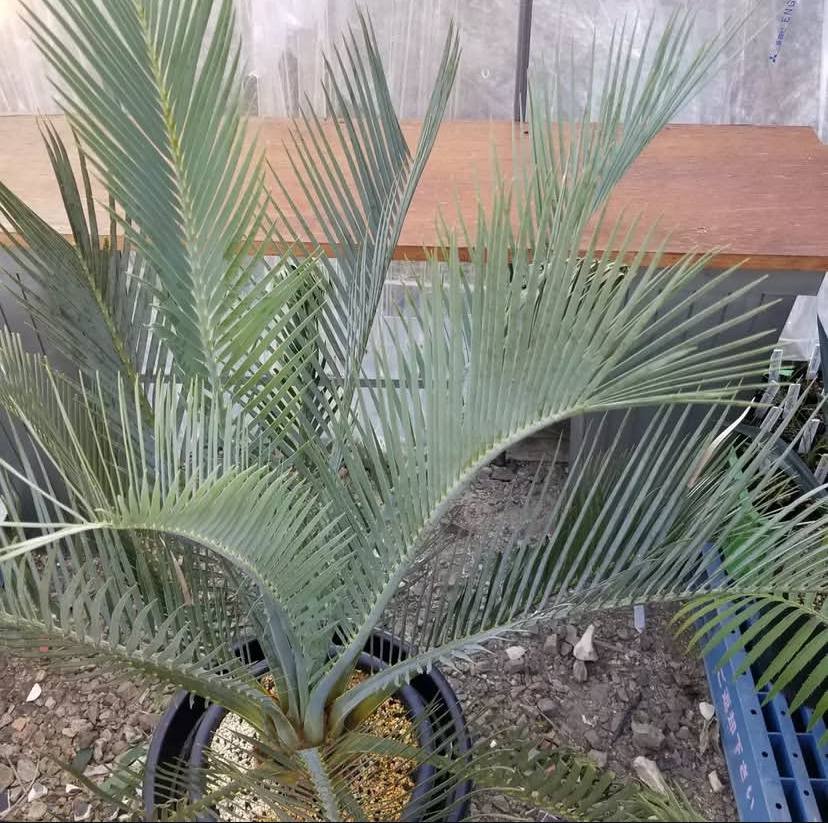
Macrozamia macdonnellii
Macrozamia macdonnellii, commonly known as the MacDonnell Ranges Cycad, is a rare and striking species of cycad native to the arid regions of
Australia. This ancient plant has a distinctive appearance, with its glossy green fronds and stout trunk, making it an attractive choice for collectors and enthusiasts. Known for its resilience in harsh conditions, Macrozamia macdonnellii thrives in rocky outcrops and dry, well-drained soils. Its fascinating evolutionary history and unique characteristics make it a valuable addition to the study of cycads and Australian flora.Join this Facebook group to meet other plants enthusiasts:Facebookgroup

Macrozamia macdonnellii: Natural Habitat and Distribution
Macrozamia macdonnellii is found predominantly in the Northern Territory, specifically in the central and western parts of Australia. Its habitat is typically rocky, dry, and semi-arid, growing in the wild where it can endure extreme temperature fluctuations and periods of drought. The species is often seen on slopes and hillsides, where its roots penetrate the stony soil in search of water. Despite the challenging environment, the Macrozamia macdonnellii has adapted to survive, showcasing its strength and long life span.
Macrozamia macdonnellii: Physical Characteristics and Growth
macdonnellii is characterized by its stout, trunk-like stem that supports a crown of feathery, dark green leaves. These plants can reach up to 3 meters in height, with a trunk diameter of up to 30 centimeters. The fronds are pinnate, meaning they have multiple leaflets that radiate out from a central stem, creating a striking display. The cycads produce cones, which are highly valued in botanical studies. The slow-growing nature of Macrozamia macdonnellii makes it an intriguing plant for both researchers and garden enthusiasts alike.
Macrozamia macdonnellii: Reproduction and Pollination
The reproduction of M macdonnellii involves the production of both male and female cones. The male cones are typically yellow or orange, while the female cones are larger and more elongated, producing seeds that are of significant interest to botanists and horticulturists. The pollination process is unique to cycads, with insects, particularly beetles, playing a crucial role in fertilizing the cones. Understanding the reproduction of Macrozamia macdonnellii is key to conserving this species and ensuring its continued survival in its natural habitat.
Macrozamia macdonnellii: Conservation Status
M macdonnellii is considered to be of conservation concern due to its limited distribution and vulnerability to habitat loss. With its specific environmental requirements, such as dry, rocky soils and protection from overgrazing, the plant is at risk from both human activities and climate change. Conservation efforts are underway to protect Macrozamia macdonnellii, including habitat preservation and controlled breeding programs aimed at ensuring the species’ survival for future generations. Understanding the unique ecological needs of this cycad is critical for developing effective conservation strategies.
Macrozamia macdonnellii: Cultivation and Care
Cultivating M macdonnellii requires attention to its specific environmental needs. This cycad is best suited for dry, well-drained soils, and it thrives in areas with full sun exposure. Gardeners should be mindful of watering schedules, ensuring the plant is not overwatered, as this can lead to root rot. Macrozamia macdonnellii is a slow-growing species, so patience is necessary when growing it from seed. For those looking to incorporate this plant into their landscape, it’s important to mimic its natural conditions to encourage healthy growth.
Macrozamia macdonnellii: Significance in Australian Flora
Macrozamia M holds an important place in the ecosystem of Australia. As one of the few species of cycad native to the country, it plays a

unique role in its native environment. In addition to its ecological contributions, the plant holds cultural significance for Aboriginal communities, who have historically used various parts of the plant for medicinal and practical purposes. The preservation of Macrozamia macdonnellii is essential not only for its ecological role but also for its cultural importance.
M macdonnellii: Botanical Research and Studies
Botanical research on M macdonnellii continues to uncover valuable insights into the evolutionary history of cycads. As a species with an ancient lineage, it provides a living link to the distant past, offering researchers the chance to study the plant’s resilience and adaptability. The plant’s unique reproductive mechanisms and growth patterns make it a fascinating subject for study, contributing to a broader understanding of plant biology and conservation. Continued research is crucial for ensuring the survival of Macrozamia macdonnellii and other cycads in the face of environmental threats.
M macdonnellii: Landscaping and Aesthetic Appeal
Due to its striking appearance and resilience, M macdonnellii is often sought after for landscaping purposes. Its tall, architectural form makes it a standout feature in gardens and public spaces. The plant is particularly valued for its ability to thrive in drought-prone areas, making it an excellent choice for xeriscaping. Additionally, its slow growth and long lifespan ensure that it can be enjoyed for generations, making it a lasting investment for those looking to enhance their landscapes with unique, low-maintenance plants.
Macrozamia macdonnellii: Environmental Impact and Benefits
M macdonnellii, like other cycads, plays an important role in its native ecosystem. It provides habitat and sustenance for a variety of wildlife, including small mammals, insects, and birds. The plant’s ability to survive in harsh environments makes it a valuable asset for researchers studying plant resilience and adaptation. In addition, M macdonnellii contributes to soil stabilization, particularly in rocky or eroded areas, helping to prevent soil loss and maintain the integrity of its natural habitat.
Macrozamia macdonnellii: Importance for Future Generations