Encephalartos Lehmannii
Introduction to Encephalartos lehmannii
Encephalartos lehmannii, a stunning cycad species, is known for its striking appearance and adaptability to dry, harsh climates. This species is native to South Africa, particularly thriving in rocky, well-drained soils and low-water environments.Join FB Group. Its unique blue-gray foliage and slow growth have made it an attractive choice for landscape designers, horticulturists, and collectors.Shop your lehmannii at:caudexplants.com
In this guide, we will explore all the essential details about E lehmannii, including its physical characteristics, ideal growing conditions, care instructions, propagation techniques, and how to incorporate this beautiful cycad into your landscape.

What is Encephalartos lehmannii?
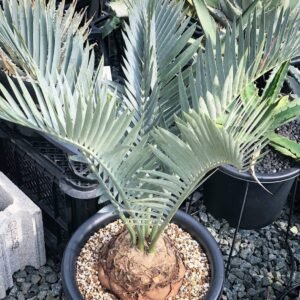
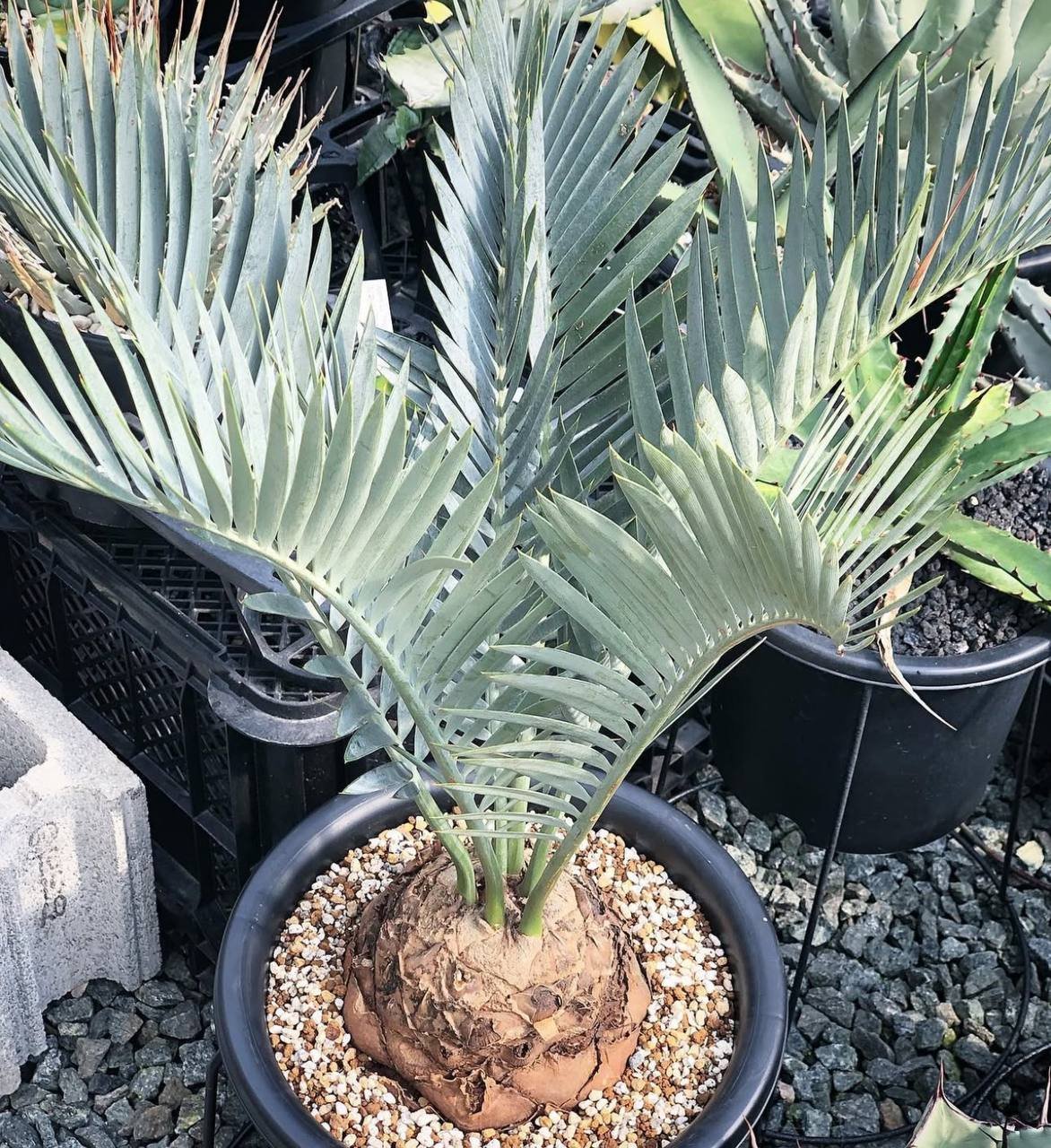
E lehmannii, often referred to as the Lehmann’s Cycad, is a type of cycad in the Zamiaceae family. This plant is recognized for its tough yet graceful appearance and is a popular choice in xeriscaping due to its low-water needs. With its silver-blue to grayish foliage, it stands out in both tropical and desert-style gardens.
Key Features of Encephalartos lehmannii
-
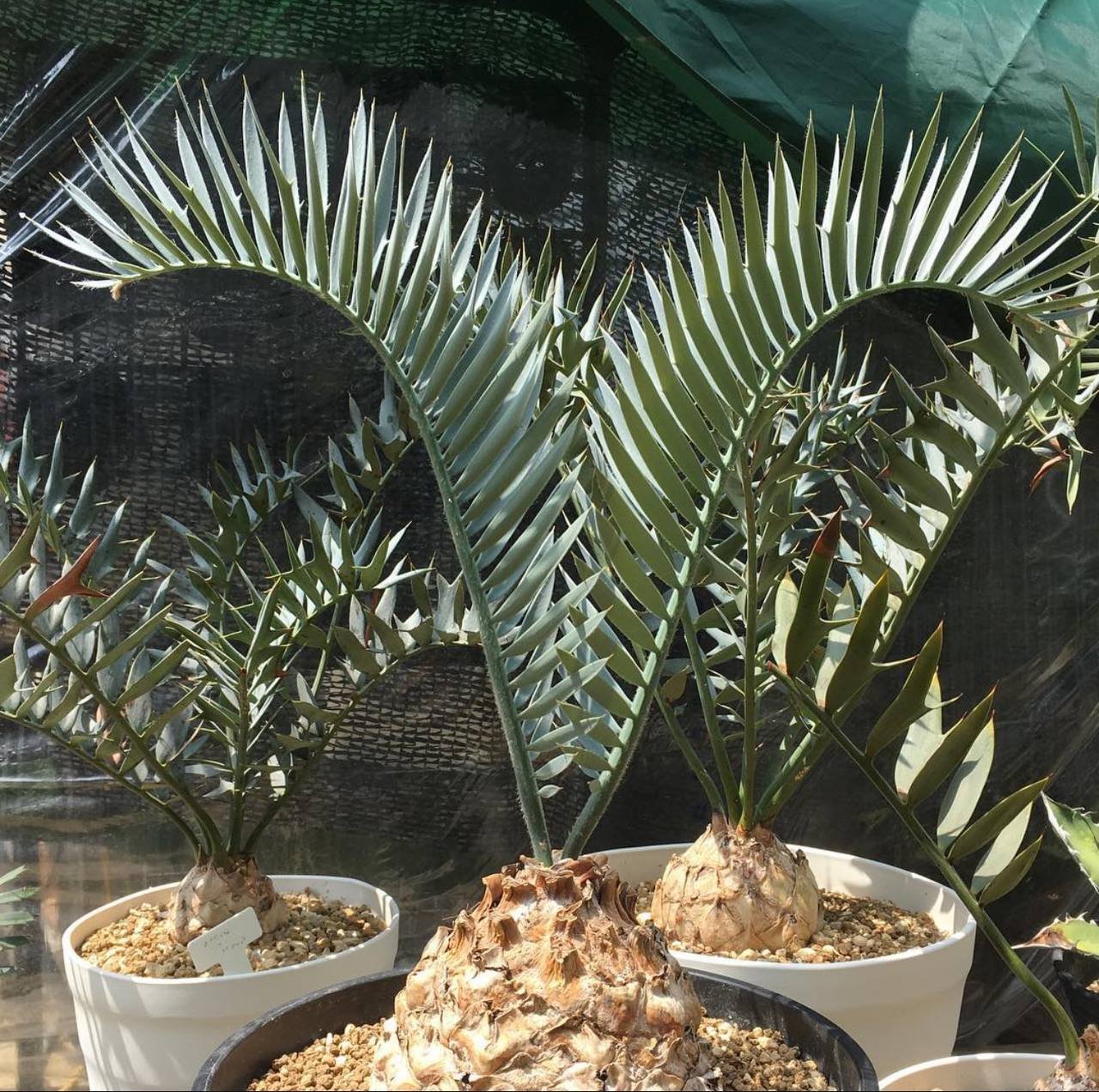
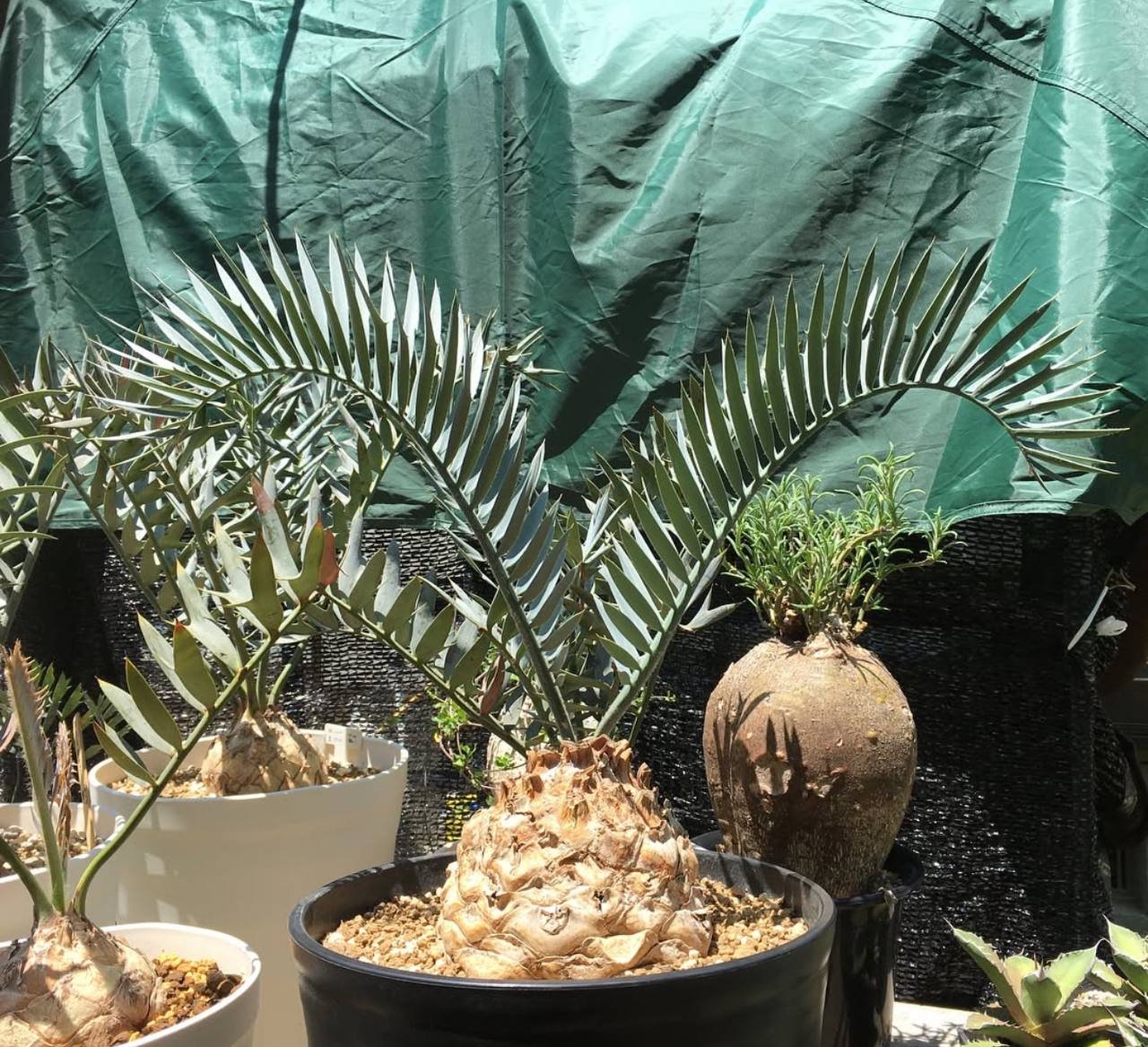
Blue-Green Leaves: The most striking feature of E lehmannii is its long, arching leaves that range in color from silver-blue to a muted green. These pinnate (feather-like) leaves grow in a symmetrical rosette, creating an elegant, tree-like form.
-
Slow Growth: This species is characterized by its slow growth. Typically, it grows 10-15 cm (4-6 inches) per year, which means it requires patience but rewards its growers with long-term beauty and resilience.
-
Hardy Nature: Once established, E lehmannii is relatively drought-tolerant and can withstand poor soils and dry conditions, making it an excellent choice for gardeners in arid climates .Shop your lehmannii at:caudexplants.com
Natural Habitat of Encephalartos lehmannii
Encephalartos lehmannii is native to the semi-arid regions of South Africa, where it thrives in rocky hillsides and slopes. These regions are characterized by minimal rainfall, well-drained soils, and full sun exposure. The plant has adapted to these tough conditions, which is why it’s well-suited to xeriscaping, drought-tolerant gardens, and even container gardening in drier climates.
In its native habitat, it can be found in areas with temperatures ranging from 18°C to 30°C (64°F to 86°F). E lehmannii does not fare well in regions that experience heavy frost, which is why it’s best suited for subtropical or mild-temperate climates.
Ideal Growing Conditions for Encephalartos lehmannii
For successful growth, E lehmannii requires specific environmental conditions. Understanding its natural habitat will help you replicate these conditions in your garden, allowing the plant to flourish.

1. Soil Type and Drainage
E lehmannii thrives in well-drained, sandy or loamy soils. Poorly drained or heavy clay soils are unsuitable for this cycad, as they can cause root rot. To create the ideal soil mix, consider adding sand, perlite, or gravel to improve drainage. Additionally, the soil should be slightly acidic to neutral (pH 6 to 7) for optimal growth.
If planting in a container, ensure that the pot has drainage holes and use a specialized cycad mix or cactus soil to ensure proper water flow.
2. Light and Temperature
Full sun to partial shade is ideal for E lehmannii. In its native habitat, it receives abundant sunlight, which helps maintain the rich blue-gray hue of its leaves. While it can tolerate some shade, particularly in hot climates, it thrives best when exposed to several hours of direct sunlight each day.
As for temperature, this cycad prefers warm climates with temperatures between 18°C and 30°C (64°F-86°F). While E lehmannii can handle light frost, prolonged exposure to freezing temperatures should be avoided. In colder regions, it can be grown in containers and brought indoors during the winter months .Shop your lehmannii at:caudexplants.com
Caring for Encephalartos lehmannii
Proper care is essential for the long-term health of E lehmannii. Although it is a hardy plant, it still requires attention to ensure it thrives. Below are key care considerations for this unique cycad.
1. Watering
One of the key benefits of E lehmannii is its drought tolerance. However, the plant still needs regular watering, especially during its active growing season in spring and summer. It’s important to let the soil dry out completely between waterings to avoid waterlogging, which can lead to root rot.
During the winter months, watering should be reduced since the plant goes into a dormant phase. As a rule of thumb, always check the soil’s moisture level before watering and avoid letting the plant sit in standing water.
2. Fertilization
While E lehmannii does not require frequent fertilization, it benefits from light feeding during its growing season. A slow-release, balanced fertilizer formulated for cycads or palms is ideal. Apply fertilizer once every 2-3 months during the spring and summer, but avoid over-fertilizing, as this can cause nutrient imbalances.
In autumn and winter, when the plant is not actively growing, refrain from fertilizing.
3. Pruning and Maintenance
Pruning E lehmannii is minimal. The plant naturally sheds old leaves as it grows. However, if any leaves become damaged or unhealthy, they can be trimmed back using sterilized pruning shears. It’s essential to be careful when handling the plant, as the edges of its fronds can be spiny and sharp.
Since cycads grow slowly, regular pruning is typically not necessary. Instead, focus on removing any dead fronds and ensuring that the plant’s growing tip is free from debris.

Propagating Encephalartos lehmannii
Encephalartos lehmannii is most commonly propagated through seed. Propagating from seeds is a slow process, but it is highly effective for generating new plants. Here is how to propagate E lehmannii from seed.
1. Collecting and Preparing Seeds
To collect seeds from E lehmannii, you’ll need to wait for the plant to mature and produce cones. Male cones are smaller, cylindrical, and release pollen, while female cones are larger and contain seeds. Once the female cones open and release seeds, they can be harvested and cleaned.
Before planting, soak the seeds in warm water for 24-48 hours to soften the hard outer shell, which helps improve germination.
2. Planting Seeds
Plant the soaked seeds in a well-draining mix of sand, peat, and perlite, and keep the planting medium slightly moist. The ideal temperature for germination is around 25°C (77°F), and seeds should be kept in a warm, shaded spot. It can take anywhere from a few months to over a year for seeds to germinate, so patience is key.
3. Caring for Seedlings
Once the seeds begin to sprout, provide bright, indirect light and maintain a consistently warm environment. Water the seedlings regularly but avoid waterlogging. After they grow large enough to handle, they can be transplanted into individual pots or directly into the garden .Shop your lehmannii at:caudexplants.com
Pests and Diseases Affecting Encephalartos lehmannii
Although E lehmannii is relatively resistant to pests and diseases, it can still encounter certain issues, especially if not cared for properly.
1. Common Pests
-
Scale Insects: These pests attach to the plant’s leaves and suck sap, weakening the plant. They can be controlled with insecticidal soap or neem oil.
-
Mealybugs: Like scale insects, mealybugs feed on sap and can stunt the plant’s growth. Treat with rubbing alcohol or insecticidal soap.
-
Spider Mites: These tiny pests can cause yellowing leaves and webbing. Regular misting and insecticidal treatment can control them.
2. Diseases
E lehmannii is prone to root rot, particularly in poorly-drained soils or when overwatered. To prevent this, ensure the plant is in a well-draining location and avoid overwatering.
Additionally, fungal infections can occur if the plant is kept in too much humidity. Proper air circulation and ensuring the plant has time to dry out between watering are essential.
Landscaping with Encephalartos lehmannii
The striking blue-gray foliage of E lehmannii makes it an excellent feature plant in any garden. Its architectural form adds a dramatic touch to both modern and tropical landscapes.
1. As a Specimen Plant
The E lehmannii works well as a specimen plant in the center of garden beds or as a focal point in pots. Its bold, blue-green leaves create an exotic look, making it a standout feature in your landscape.
2. In Xeriscaping Designs
Because E lehmannii is drought-tolerant, it is perfect for xeriscaping or low-water gardens. Combine it with other drought-tolerant plants, such as succulents, agaves, and yuccas, for a sustainable, water-wise garden that requires minimal maintenance.
Conclusion: Why Choose Encephalartos lehmannii for Your Garden?
E lehmannii is a stunning and hardy cycad that adds a unique aesthetic to any landscape. With its striking silver-blue leaves and drought-tolerant nature, it thrives in dry, low-water environments and requires minimal maintenance once established. Whether used as a specimen plant or incorporated into xeriscaping designs, this cycad is a perfect choice for gardeners looking for a resilient and eye-catching addition to their outdoor space.