
Encephalartos heenanii
Introduction to Encephalartos heenanii
Encephalartos heenanii is a rare and striking species of cycad native to southern Africa. Join FB Group.Known for its resilience and aesthetic appeal, this cycad has caught the attention of both professional horticulturists and collectors alike. With its unique appearance, Encephalartos heenanii makes an excellent addition to any garden or indoor collection.Shop encephalartos heenanii at:caudexplants.com
In this guide, we will explore all aspects of Encephalartos heenanii, from its physical characteristics to its ideal growing conditions, propagation techniques, and care requirements. Whether you’re a seasoned gardener or a beginner, understanding the needs of this species will allow you to cultivate a healthy and thriving plant.

What is Encephalartos heenanii?
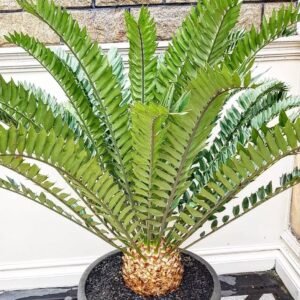
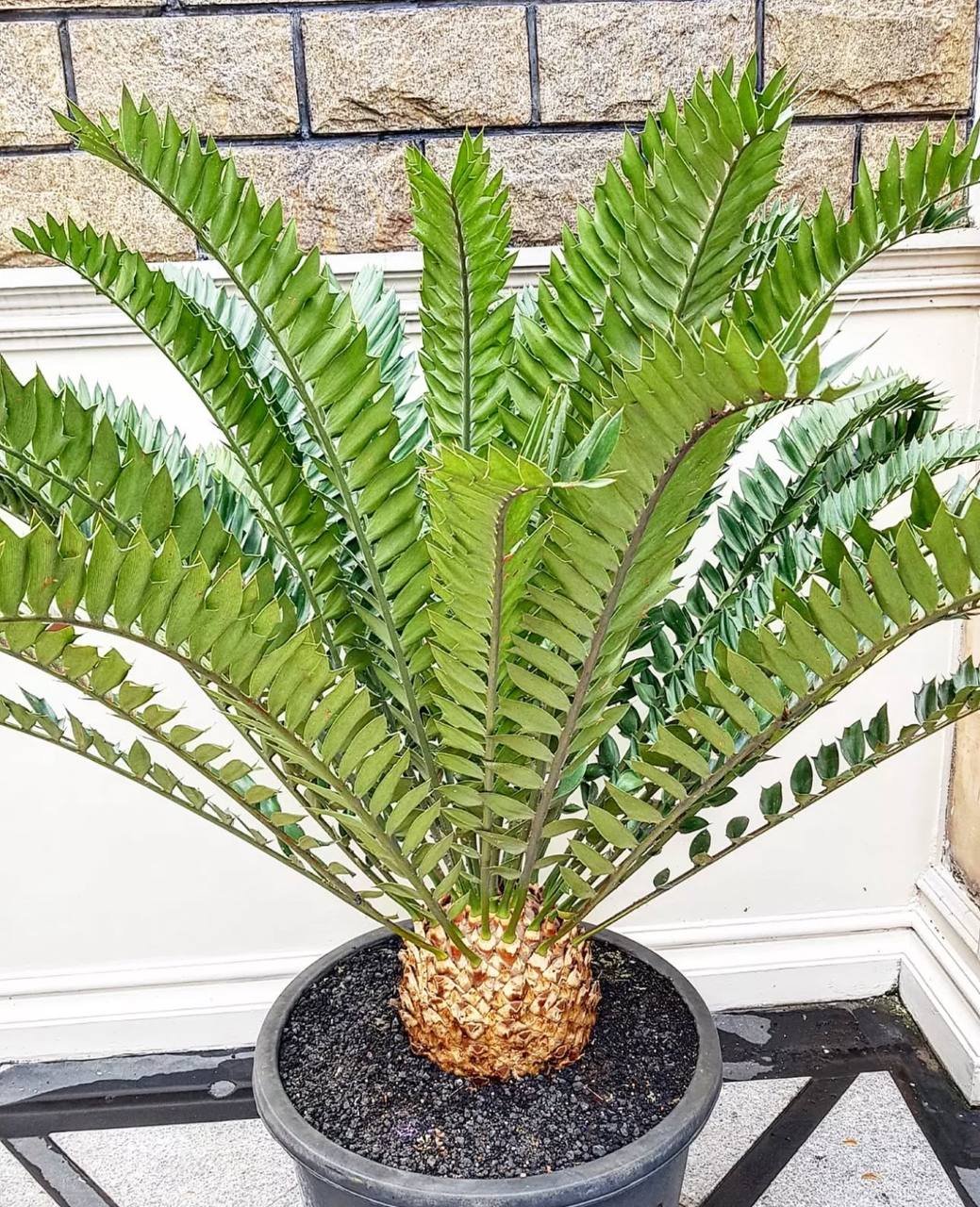
E heenanii is a medium-sized cycad species that belongs to the Zamiaceae family. This plant is known for its attractive, stiff, and dark green leaves, which have a distinctive arrangement that sets it apart from other cycads. It’s not just its physical beauty that makes E heenanii stand out—this plant is also drought-tolerant and can survive in challenging climates.
Key Features of Encephalartos heenanii
-
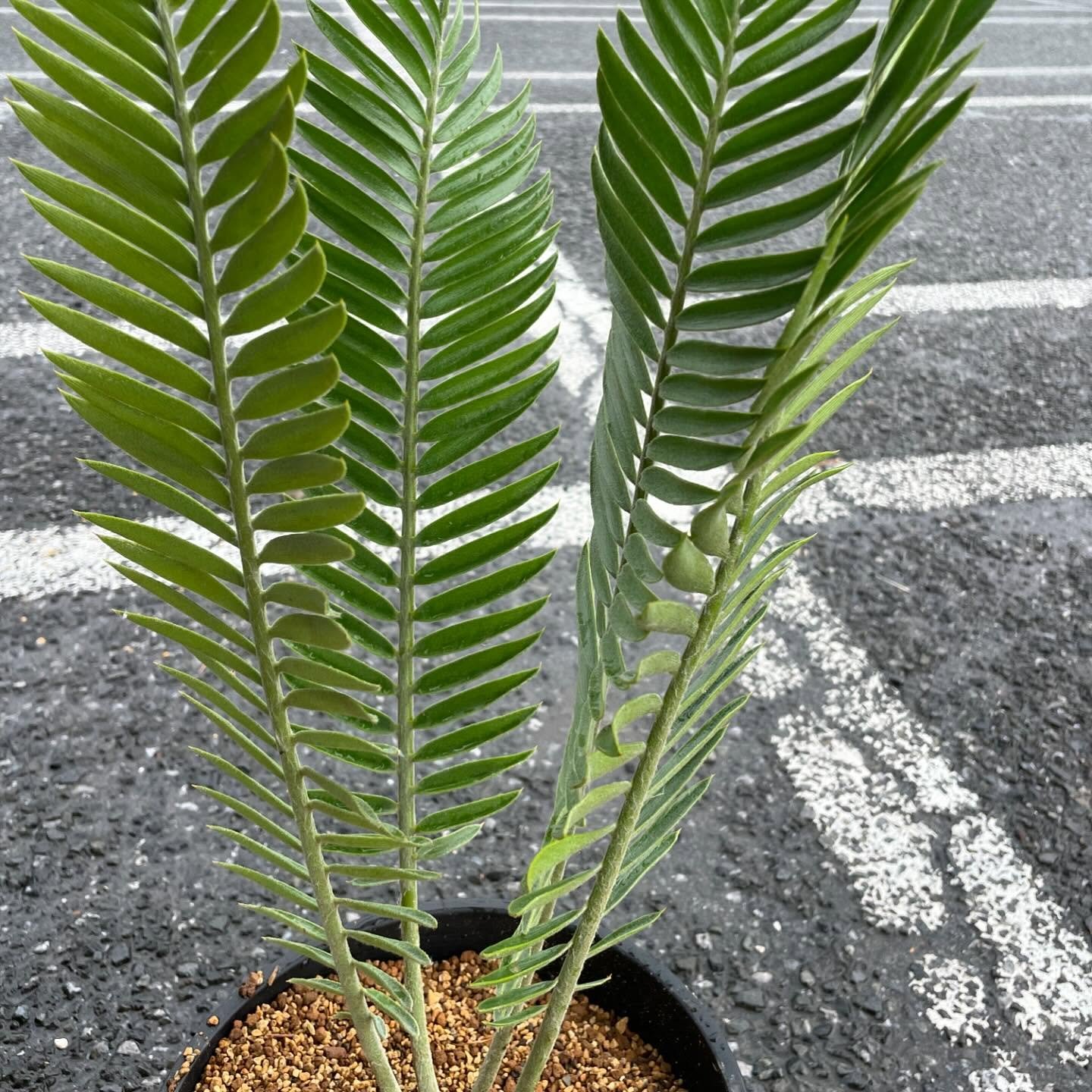
Hardy Appearance: With its unique, stiff, and pinnate (feather-like) leaves, E heenanii offers a bold visual impact. Its leaves grow in a symmetrical rosette, giving it a tree-like appearance.
-
Growth Pattern: Like most cycads, E heenanii grows slowly, reaching a height of about 1.5 meters (5 feet) over the course of several years. Its slow growth rate makes it an ideal candidate for gardeners looking for a plant that requires less frequent maintenance.
-
Drought Tolerance: One of the key benefits of E heenanii is its ability to tolerate dry conditions. Once established, it is highly drought-resistant and can thrive even with minimal water, making it suitable for xeriscaping or dry garden designs .Shop encephalartos heenanii at:caudexplants.com
Natural Habitat of Encephalartos heenanii
E heenanii is native to the dry regions of South Africa. In the wild, it typically grows in rocky outcrops, grasslands, and semi-arid areas with well-drained soils. These plants are adapted to survive in regions that receive minimal rainfall, and they have evolved to store water in their thick, fleshy roots, which enables them to survive prolonged droughts.
In its natural habitat, E heenanii is exposed to full sun and thrives in temperatures ranging between 18°C and 30°C (64°F to 86°F). It’s important to replicate these conditions when growing this cycad in your own garden to ensure it flourishes.

Growing Conditions for Encephalartos heenanii
To successfully grow E heenanii, it’s crucial to understand its preferred growing conditions. This cycad thrives in well-drained soil, full sun, and warm temperatures. Let’s explore these growing requirements in detail.
1. Soil and Drainage
E heenanii requires well-drained, slightly acidic to neutral soil. Cycads, in general, don’t do well in soils that retain too much moisture, as this can lead to root rot. The best way to ensure proper drainage is by mixing sand, gravel, or perlite into your soil. This will allow the water to flow freely and prevent the soil from becoming soggy.
For potted plants, using a cycad-specific potting mix or a cactus mix is recommended, as it provides the right texture and drainage to help the plant thrive. If you are planting E heenanii outdoors, ensure the soil drains well, and avoid planting it in low-lying areas where water tends to accumulate.
2. Light Requirements
E heenanii prefers full sun but can tolerate partial shade, especially in hotter climates. To maintain the vibrant green color of the leaves, it’s important to provide the plant with several hours of direct sunlight each day. In areas with extreme heat, partial shade during the hottest part of the day can prevent the leaves from getting scorched.
If you’re growing this cycad indoors, place it near a sunny window where it can receive at least four to six hours of bright, indirect light each day. En heenanii is not suited for low-light conditions and may become leggy or fail to thrive in such environments.
3. Temperature Requirements
Encephalartos heenanii prefers warm temperatures, typically between 18°C and 30°C (64°F to 86°F). It’s important to keep the plant in an environment where the temperature stays relatively consistent. While E heenanii can tolerate brief periods of cooler temperatures, it is not frost-tolerant and should be protected from freezing conditions. In colder climates, it’s best to grow this cycad in a container that can be moved indoors during the winter months.
Caring for Encephalartos heenanii
Like most cycads, E heenanii is relatively low-maintenance but does require some care to ensure optimal growth. Here’s how to look after your Encephalartos heenanii plant.
1. Watering
Encephalartos heenanii is drought-tolerant and requires minimal watering once established. However, young plants and newly planted cycads need more regular watering to help them establish a robust root system. Water deeply but allow the soil to dry out completely between waterings. Overwatering is a common mistake that can lead to root rot, so always check the moisture level of the soil before watering.
During the growing season (spring and summer), water your E heenanii every 1-2 weeks, depending on the weather. In the cooler months, you can reduce the watering frequency as the plant enters a semi-dormant phase.
2. Fertilization
While cycads like Encephalartos heenanii are not heavy feeders, they will benefit from occasional fertilization, especially during the growing season. Use a slow-release, balanced fertilizer designed for cycads or palms. Apply fertilizer every 2-3 months during spring and summer. Be sure to follow the manufacturer’s instructions and avoid over-fertilizing, as this can lead to nutrient imbalances or burn the roots.
3. Pruning and Maintenance
Pruning is not necessary for E heenanii unless you notice damaged or dead leaves. Remove any unhealthy fronds carefully using sterilized pruning shears. Avoid cutting too close to the trunk, as this can cause damage to the growing point of the plant. Regular maintenance is also important for keeping the plant free from pests or diseases, so inspect it periodically for signs of issues.
Propagating Encephalartos heenanii
Propagation of Encephalartos heenanii is typically done through seeds, although this process can be slow and requires patience. Here’s how you can propagate this cycad.
1. Collecting Seeds
To collect seeds from E heenanii, you will need to wait for the plant to reach maturity and produce cones. The female cones will be large and cylindrical, while the male cones are smaller and pollen-producing. Once the cones mature, harvest the seeds carefully and clean them to remove any surrounding pulp.
2. Preparing and Planting Seeds
Soak the seeds in warm water for 24-48 hours to soften the hard outer shell and promote germination. After soaking, plant the seeds in a well-draining potting mix, ideally a mix of sand and peat. Plant the seeds about 1-2 inches deep and water lightly.
Maintain a warm temperature between 25°C and 30°C (77°F to 86°F) for optimal germination. It can take several months for the seeds to sprout, so be patient. Once the seedlings appear, provide them with bright, indirect light and continue to water sparingly.
Pests and Diseases of Encephalartos heenanii
While E heenanii is relatively resilient, it can still be affected by pests and diseases. Here are a few common issues you might encounter:
1. Common Pests
-
Scale Insects: These pests can attach themselves to the leaves and stems of the plant. They can be controlled with insecticidal soap or neem oil.
-
Mealybugs: Another common pest, mealybugs feed on the plant’s sap and cause stress. They can be removed by dabbing the affected areas with rubbing alcohol or using an appropriate insecticide.
2. Diseases
The most common disease affecting Encephalartos heenanii is root rot, which is caused by overwatering or poor drainage. Prevent this by ensuring the plant is planted in well-draining soil and by avoiding overwatering.
Landscaping with Encephalartos heenanii
Encephalartos heenanii makes a beautiful addition to any landscape due to its architectural form and striking appearance. Its slow growth and low maintenance make it a perfect choice for gardeners who want an attractive yet hardy plant.
1. Specimen Planting
Use Encephalartos heenanii as a specimen plant in the garden. Its unique blue-gray foliage provides contrast against other plants, making it a perfect focal point for any garden design. Plant it in full sun or partial shade, and pair it with other drought-tolerant plants for a low-maintenance landscape.
2. Xeriscaping
Since E heenanii is drought-tolerant, it is ideal for xeriscaping. Incorporating cycads into dry, water-efficient landscapes is a great way to create a beautiful, sustainable garden that thrives even with limited water.
Conclusion: Why Grow Encephalartos heenanii?
Encephalartos heenanii is an excellent choice for anyone looking to add a unique and drought-tolerant plant to their garden. With its striking appearance, slow growth, and low-maintenance nature, it’s the perfect plant for both beginners and experienced gardeners alike. Whether you grow it in a container or in the ground, Encephalartos heenanii can thrive in a variety of conditions, making it a versatile and valuable addition to your collection.