

Encephalartos Munchii
Introduction to Encephalartos Munchii
E munchii is a unique and striking species of cycad, native to the tropical regions of South Africa. Known for its architectural form and rare appeal, E munchii has captivated the interest of plant collectors and horticulturists alike.Joinnthis amazing facebook Group . As one of the more sought-after species in the genus Encephalartos, this cycad stands out with its distinct appearance and hardiness. It’s commonly found in regions with well-drained, slightly acidic soils, making it ideal for those looking to add a rare and exotic plant to their collection.Purchase munchii from:caudexplants.com

The Characteristics of Encephalartos Munchii
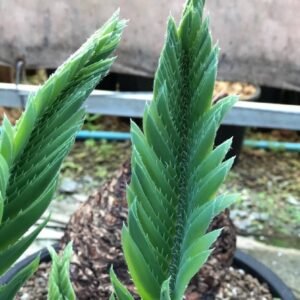
E munchii, often called Munch’s Cycad, is famous for its vivid blue-green foliage and thick, trunk-like stem. It features long, arching leaves that grow in a crown-like pattern at the top of its stem, giving it a dramatic, sculptural appearance. Its leaves, which can grow up to several feet long, are lance-shaped and covered with waxy coatings that help the plant conserve moisture in its native dry conditions. When mature, the plant’s trunk reaches impressive heights of up to 3 meters, making it a centerpiece in landscaping or botanical gardens.
The cycads from the Encephalartos genus are dioecious, meaning that male and female plants exist separately. Encephalartos munchii produces a cone-like structure called a strobilus, which houses the reproductive organs. Male cones are typically smaller and cylindrical, while female cones are larger and ovate. The cones’ appearance and color provide a distinctive feature for those trying to identify Encephalartos munchii among other cycads .Purchase encephalartos munchii from:caudexplants.com
Native Habitat and Growth Conditions of Encephalartos Munchii
In the wild, E munchii is typically found in the coastal mountain ranges of KwaZulu-Natal in South Africa. It thrives in subtropical climates and prefers well-draining, acidic soils, often growing in rocky outcrops where water drainage is excellent. The plant is drought-tolerant and can handle high levels of sunlight, although it does best in partial shade when cultivated in gardens. Its natural habitat also provides the perfect temperature range for the plant, which enjoys warmth but needs protection from extreme cold or frost.
This species is adapted to survive in its native environment by developing a deep root system that can access underground water sources. For those growing Encephalartos munchii in non-native areas, it is crucial to replicate these conditions by planting it in sandy or loamy soils that drain well and offer adequate space for its root system to expand.
Propagating Encephalartos Munchii
One of the challenges of growing E munchii lies in its propagation. Cycads like this species reproduce through seeds, which are produced from the male and female cones. To propagate E munchii, gardeners must wait for a female plant to produce viable seeds and then harvest them when they are mature. Seed propagation is relatively slow and requires patience as seeds can take several months to germinate.
The germination of Encephalartos munchii seeds can be enhanced by soaking them in warm water for a few days before planting. This helps break down the tough outer seed coating, allowing the plant to emerge more easily. A well-draining seed mix should be used, and the seeds should be kept in a warm, humid environment until they sprout. Given the slow growth rate of cycads, it can take several years for the plants to mature enough to produce their own cones .Purchase encephalartos munchii from:caudexplants.com

Growing Encephalartos Munchii in the Garden
For gardeners interested in cultivating E munchii, the key to success lies in creating the perfect growing environment. This species performs best in slightly acidic soils with excellent drainage, mimicking its native conditions. If you’re planting E munchii in your garden, consider placing it in an area that receives morning sun and afternoon shade. A sheltered location will help protect the plant from harsh winds and extreme temperature fluctuations.
When planting Encephalartos munchii, dig a hole large enough to accommodate its root ball. Ensure that the hole is deep enough so the plant’s roots can establish themselves comfortably. Water the plant thoroughly after planting, but avoid waterlogging the soil, as excessive moisture can lead to root rot. During the growing season, water the plant regularly, but allow the soil to dry out between waterings.
The Unique Beauty of Encephalartos Munchii in Landscaping
E munchii has become an increasingly popular plant for landscaping enthusiasts, particularly those who appreciate its prehistoric look and unique aesthetic. Its dramatic form and striking blue-green leaves make it a standout in any garden or outdoor space. Whether planted as a specimen plant, in a rock garden, or as part of a tropical or desert-themed landscape, E munchii adds an exotic touch to the environment.
Its slow growth rate makes it a great option for those looking for a plant that will mature over time, providing an ever-evolving presence in the landscape. As a focal point, it pairs well with other hardy plants, such as succulents, agave, and ornamental grasses, creating a modern and minimalist garden design. In tropical and subtropical climates, E munchii also works well in coastal gardens, where its resistance to salt and wind makes it an ideal choice for coastal landscaping .Purchase encephalartos munchii from:caudexplants.com
Common Diseases and Pests Affecting Encephalartos Munchii
Like many cycads, E munchii is generally resilient but can fall victim to specific pests and diseases. It is essential for gardeners to regularly inspect their plants for signs of infestation. One common pest is the cycad scale, which feeds on the plant’s sap, causing leaf yellowing and stunted growth. If detected early, these pests can be controlled with horticultural oil or insecticidal soap.
Another common issue is root rot, which occurs when the plant’s roots are exposed to constant moisture. Proper drainage is critical in preventing this condition. Overwatering should be avoided, and gardeners should always allow the soil to dry out between waterings. Additionally, Encephalartos munchii can be susceptible to fungal diseases if grown in overly humid conditions. Ensuring that the plant is grown in a well-ventilated area can help prevent this.
Encephalartos Munchii in Conservation
As a species, Encephalartos munchii is part of the Encephalartos genus, many of whose members are endangered or vulnerable due to habitat loss and over-collection. As the demand for ornamental plants grows, cycads such as Encephalartos munchii have been increasingly threatened. Conservation efforts are critical to preserving these remarkable plants for future generations.
The South African government and various botanical organizations have implemented initiatives to protect the natural habitats of cycads like Encephalartos munchii. Additionally, many cycad enthusiasts and nurseries now focus on cultivating plants in controlled environments to prevent illegal harvesting from the wild. Gardeners and collectors are also encouraged to buy plants from reputable sources to help ensure that their contributions are not harming the conservation efforts of these ancient plants .Purchase encephalartos munchii from:caudexplants.com
Encephalartos Munchii Care Tips for Beginners
For beginners, growing Encephalartos munchii can be a rewarding experience if you follow a few essential care guidelines. This cycad requires minimal maintenance once established, but proper care is crucial for long-term success. Here are a few care tips for beginners:
-
Location: Plant Encephalartos munchii in a spot with well-draining soil and partial shade.
-
Watering: Water regularly, but ensure the soil has time to dry between waterings to avoid root rot.
-
Fertilization: Fertilize with a balanced, slow-release fertilizer during the growing season to promote healthy growth.
-
Temperature: Protect the plant from frost, as it prefers warm temperatures and will suffer if exposed to extreme cold.
-
Pruning: Remove dead or damaged leaves to keep the plant looking neat and healthy. Avoid heavy pruning, as cycads grow slowly.

encephalartos munchii
Conclusion
Encephalartos munchii is an exceptional cycad, offering rare beauty and an exotic touch to any collection or landscape. With its stunning foliage, slow growth, and historical significance, it’s a plant that appeals to both horticulturists and collectors alike. Whether you are cultivating it in your garden or simply admiring its form, Encephalartos munchii will undoubtedly stand out as a captivating specimen. Through proper care, conservation efforts, and attention to its unique needs, this striking cycad can thrive and bring joy to plant enthusiasts for years to come.