Cycas Calcicola
Introduction to Cycas Calcicola
Cycas calcicola, commonly known as the “limestone cycad,” is a striking and rare species of cycad native to the arid regions of China. It thrives in rocky, limestone-rich soils and is renowned for its unique appearance and resilience. This ancient plant, part of the Cycadaceae family, holds an important place in the world of botany due to its slow growth, stunning foliage, and historical significance.Join facebook group here/click here
For enthusiasts and collectors of cycads, calcicola stands out as one of the most coveted species. Whether you are an experienced gardener or a new collector, understanding the specific care requirements and characteristics of calcicola is essential for successful cultivation.shop cycas calcicola here

Characteristics and Appearance of Cycas Calcicola
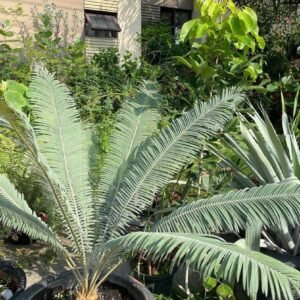
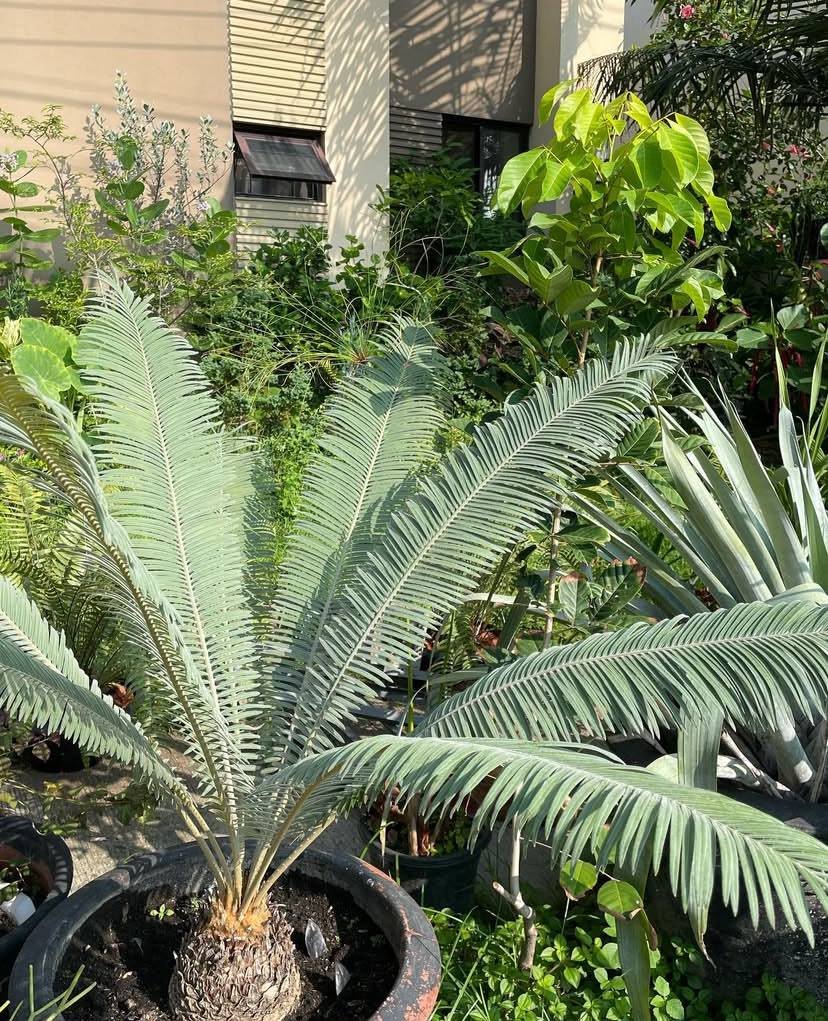
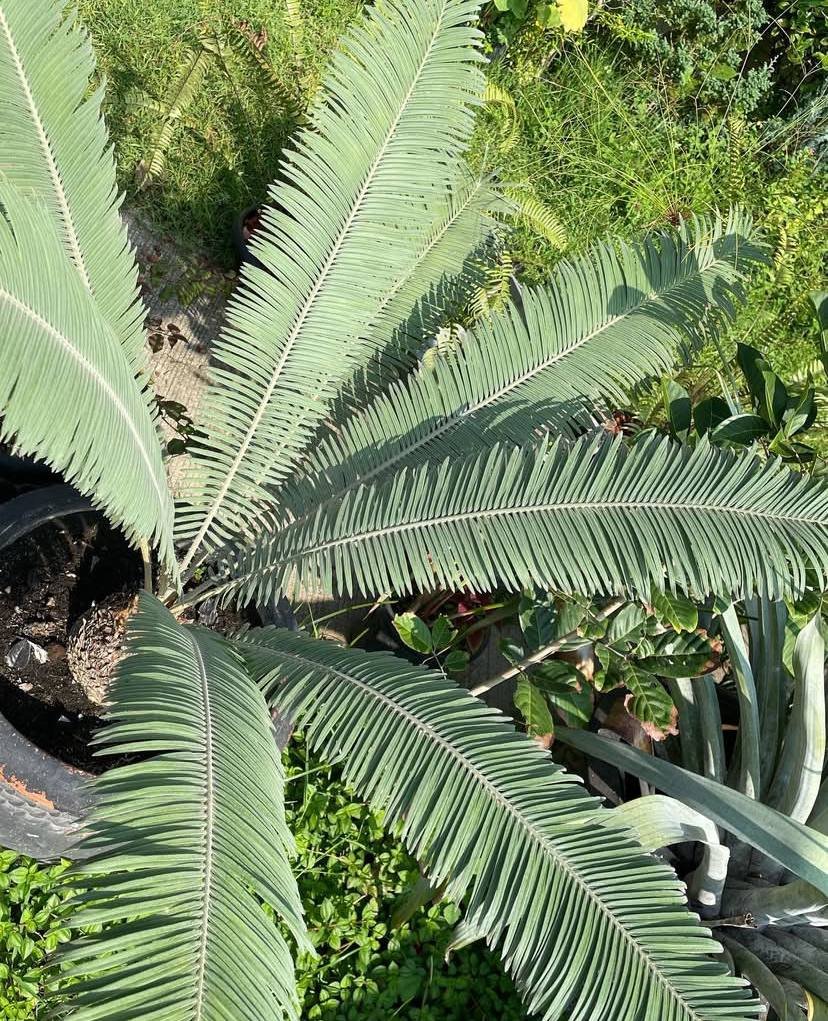
calcicola has an impressive and unique appearance that distinguishes it from other cycads. Its leaves are pinnate (feather-like) and can grow up to 1 meter in length, giving the plant a graceful, bushy look. The fronds are a glossy green and are arranged in a circular pattern around the central trunk. The plant’s trunk is typically stout, with a rough texture and a dark brown color, often covered in old leaf bases.
The reproductive structures of calcicola are also fascinating. Like most cycads, it is dioecious, meaning there are separate male and female plants. The male cones are slender and cylindrical, while the female cones are large, globular, and covered in a waxy coating. This reproductive strategy is characteristic of cycads and adds to the plant’s overall charm .shop cycas calcicola here
Native Habitat of Cycas Calcicola
calcicola is endemic to the limestone hills and rocky terrains of southern China, particularly in areas like Guangxi and Guangdong. The plant thrives in these harsh, mineral-rich environments, which can be challenging for many other plants. Its ability to survive in such conditions is due to its adaptation to drought and poor soil quality.
The limestone-based soils in its native habitat are often alkaline, with minimal organic matter. calcicola has evolved to not only tolerate but thrive in these low-nutrient environments, which is a testament to its resilience. Understanding these native conditions is key to replicating the ideal growing environment for calcicola in your own garden or collection.
Growing Conditions for Cycas Calcicola
To successfully grow calcicola, it is essential to mimic its native habitat as much as possible. Here are the key factors to consider:

Soil Requirements
calcicola prefers well-drained, slightly alkaline soils. A mixture of coarse sand, perlite, and lime can help replicate the rocky, limestone-rich environment it thrives in. Avoid using soils with high organic content, as this can lead to root rot and poor growth. The soil should also be slightly acidic to neutral (pH 6.0 to 7.5) to encourage healthy root development.
Light Conditions
calcicola thrives in bright, indirect light. In its native habitat, it receives filtered sunlight through the canopy of taller trees. While it can tolerate some direct sunlight, especially in the cooler parts of the day, too much direct exposure can scorch the leaves. If growing indoors, place the plant near a window with ample indirect light .shop cycas calcicola here
Temperature and Humidity
Cycas calcicola is relatively tolerant of temperature fluctuations but prefers a warm, temperate climate. The ideal temperature range is between 20°C to 30°C (68°F to 86°F). This cycad is not frost-tolerant, and temperatures below 5°C (41°F) can damage or kill the plant. It can handle dry conditions, but if grown in more humid environments, ensure that it is not overwatered to prevent fungal diseases.
Watering and Fertilization
Watering
When watering calcicola, it is important to let the soil dry out completely between waterings. Overwatering is a common mistake that leads to root rot, a deadly issue for cycads. Water thoroughly, but ensure that the pot has good drainage to allow excess water to escape. During the growing season, watering once a week should suffice, while in the winter months, watering can be reduced.
Fertilization
calcicola benefits from occasional fertilization. During the growing season (spring and summer), use a balanced, slow-release fertilizer that is specifically designed for cycads. A fertilizer with a ratio of 10-10-10 (NPK) is ideal. Avoid over-fertilizing, as this can lead to nutrient imbalances and poor plant health. Fertilization should be reduced or stopped in the fall and winter when the plant is not actively growing.
Propagation of Cycas Calcicola
calcicola can be propagated through both seeds and offsets. However, propagation through seeds is the most common method due to the plant’s slow growth rate and difficulty in offset production.
Seed Propagation
To propagate calcicola from seed, you must first collect mature seeds from female plants. The seeds should be cleaned of any pulp and allowed to dry. Once dry, soak the seeds in water for 24 hours to soften the seed coat. After soaking, plant the seeds in a well-draining mix and place them in a warm, shaded location. Germination can take several weeks to months, so patience is necessary.
Offsets
While calcicola does not produce offsets as readily as some other cycads, it is still possible to propagate the plant through suckers or offshoots. These can be carefully separated from the main plant when they are large enough to survive on their own. However, this method is less common than seed propagation and requires more skill .shop cycas calcicola here
Common Pests and Diseases of Cycas Calcicola
While calcicola is generally a hardy plant, it is not immune to pests and diseases. The most common issues to watch out for include:
Scale Insects
Scale insects can infest the trunks and leaves of calcicola. They feed on the sap of the plant and can cause yellowing or stunted growth. Treat scale infestations with insecticidal soap or horticultural oil.
Mealybugs
Mealybugs are another common pest that can affect cycads. These pests typically target the base of the fronds and the root system. They can be controlled with insecticidal soap or by gently wiping the affected areas with a cotton swab soaked in rubbing alcohol.
Root Rot
Root rot is a serious issue for calcicola, typically caused by overwatering or poorly draining soil. To prevent root rot, ensure that the plant is not left in standing water, and always use a well-draining potting mix. If root rot occurs, trim the affected roots and repot the plant in fresh soil.
Why Cycas Calcicola is Ideal for Collectors
For plant collectors, calcicola is a highly prized specimen. Its unique appearance, resilience, and slow growth rate make it an ideal addition to a collection. Moreover, its historical significance as a cycad species adds an extra layer of fascination for those interested in the evolutionary history of plants.
As calcicola is not commonly found in regular nurseries, its rarity makes it a valuable plant for enthusiasts. Cultivating this cycad requires patience, but the results are worth it. With proper care, calcicola can live for decades, growing slowly but steadily and adding an elegant touch to any garden or indoor space.
Conservation of Cycas Calcicola
Cycas calcicola, like many other cycad species, faces threats in the wild due to habitat destruction and illegal collection. Conservation efforts are crucial to ensure that this rare species does not become endangered. By cultivating Cycas calcicola in your own garden, you can help preserve this ancient plant and contribute to its ongoing survival .shop cycas calcicola here
Conclusion
Cycas calcicola is a remarkable cycad with a rich history and unique characteristics that make it a fascinating plant to grow and collect. Its stunning appearance, coupled with its ability to thrive in harsh conditions, makes it an ideal choice for cycad enthusiasts and collectors. By understanding the growing conditions, care requirements, and potential pests and diseases, you can ensure that calcicola flourishes in your collection for years to come. Whether you’re a seasoned gardener or a beginner, this limestone cycad is a rewarding plant that will stand out in any botanical collection.