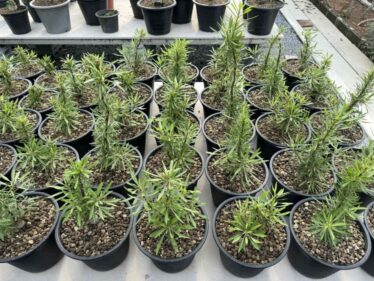
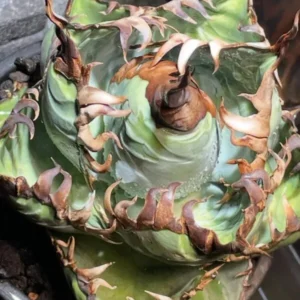
The rare and botanical marvel fouquieria purpusii stands as a striking emblem of desert adaptation and sculptural elegance. Known colloquially as the Mexican bottle tree or Candlewood, this species captivates enthusiasts with its unusual tapered trunk, spiny branching, and delicate white flowers. Native to southern Puebla and northern Oaxaca in Mexico, fouquieria purpusii embodies rugged beauty and ecological vulnerability.Facebook.com
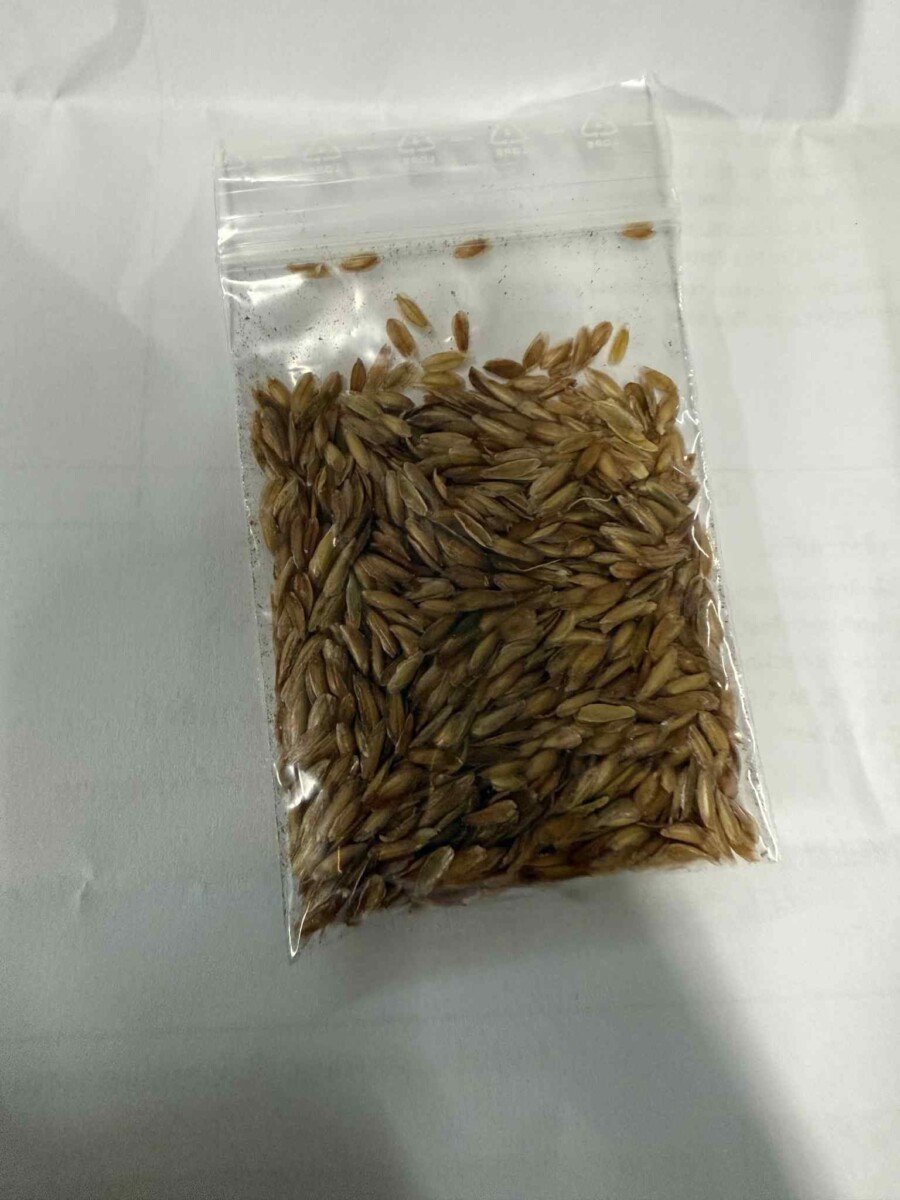
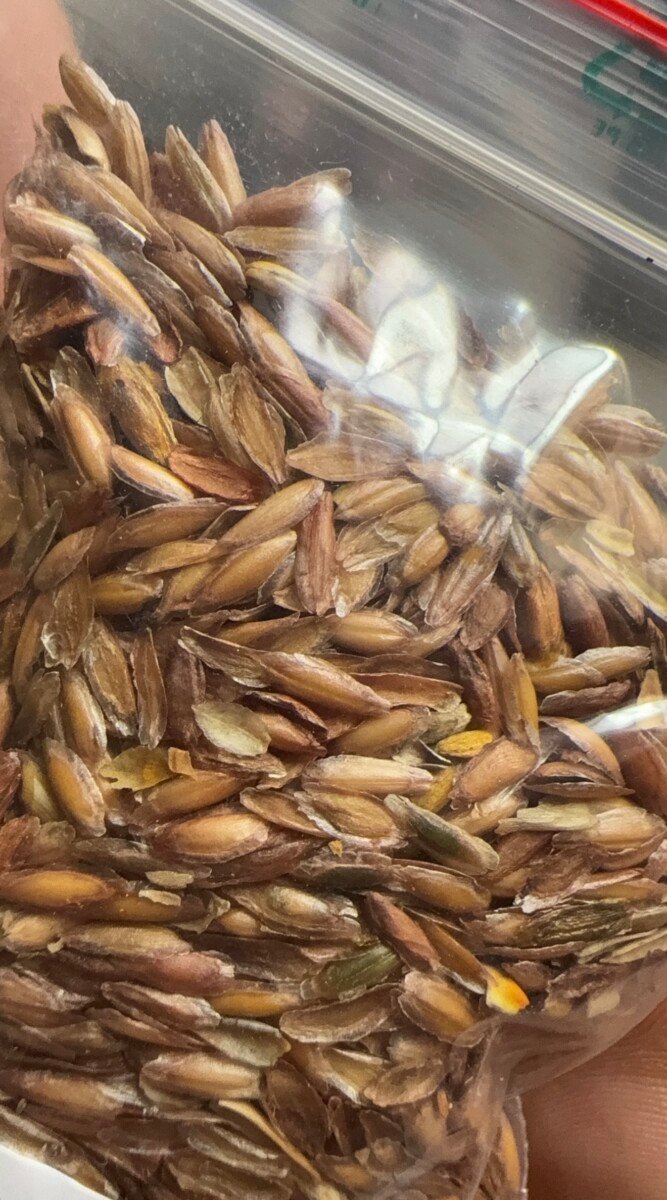
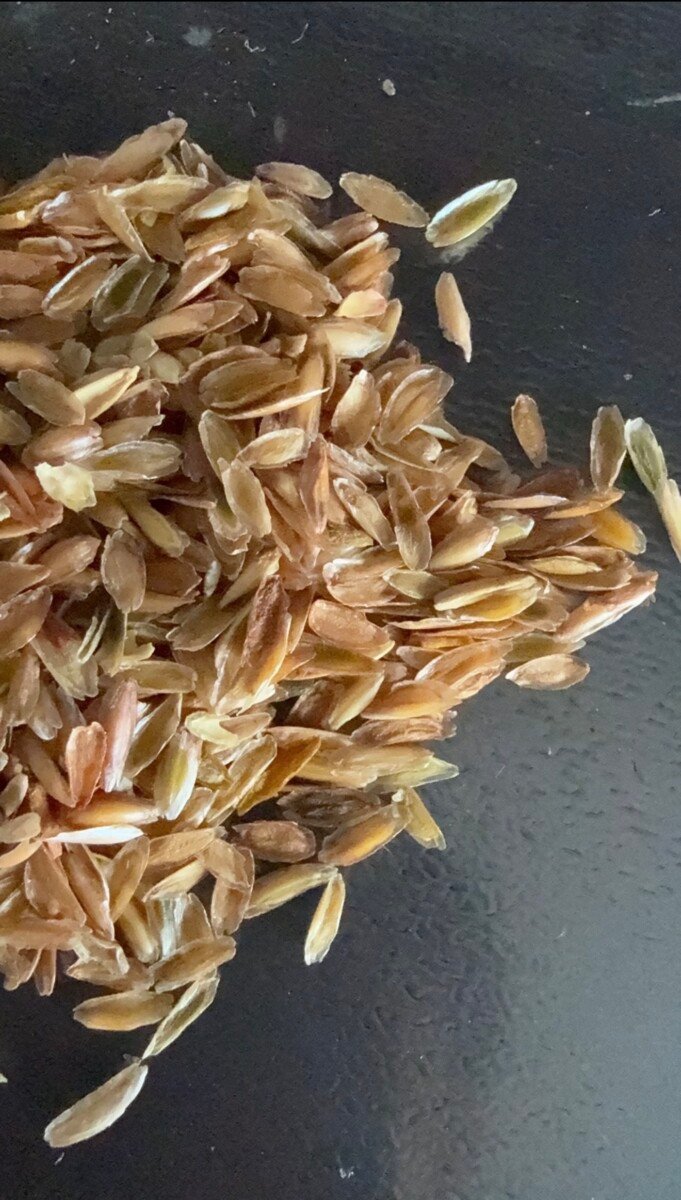
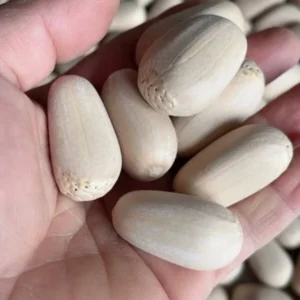
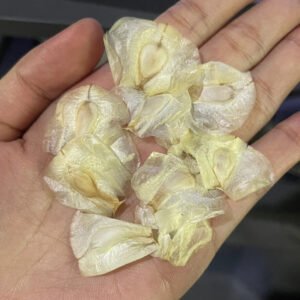
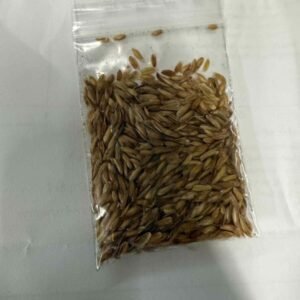
Fouquieria purpusii seeds
2. Botanical Classification & Naming
Taxonomy
Family: Fouquieriaceae
Genus: Fouquieria
Species: purpusii Brandegee (first described in 1909)
Etymology
The genus Fouquieria honors P.E. Fouquier, a medical professor in Paris. The species name purpusii commemorates Joseph Anton Purpus, a German botanical collector in Mexico .
3. Natural Distribution & Habitat
Geographic Range
Endemic to Mexico, specifically limited to the arid slopes of southern Puebla and northern Oaxaca .
Habitat Details
Prefers rocky limestone outcrops and basaltic slopes within tropical, seasonally dry scrublands, at elevations between approximately 3 200 to 7 500 feet (about 1 000–2 300 m)
Conservation Status
Highly restricted range, small populations, and narrow regeneration niche contribute to its endangered status and heightened extinction risk Regeneration Niche
Germination is limited to microhabitats like limestone rock fissures, where moisture is sufficient. Its self‑incompatible reproductive biology, reliance on hummingbirds and bees, and low floral density further constrain population persistence
fouquieria purpusii seeds
4. Morphology & Growth
Growth Form
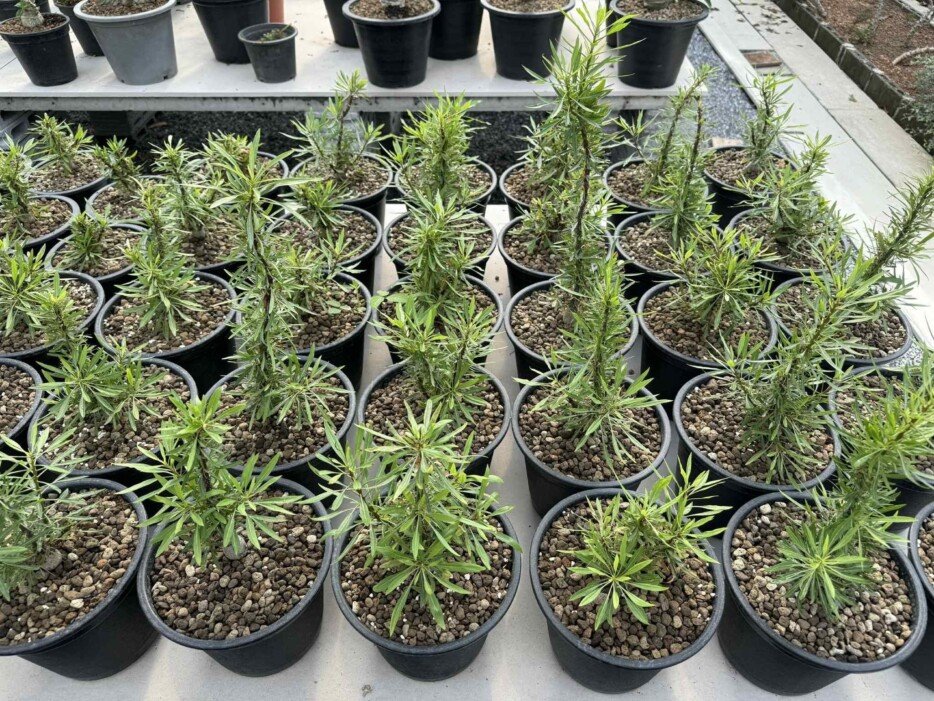
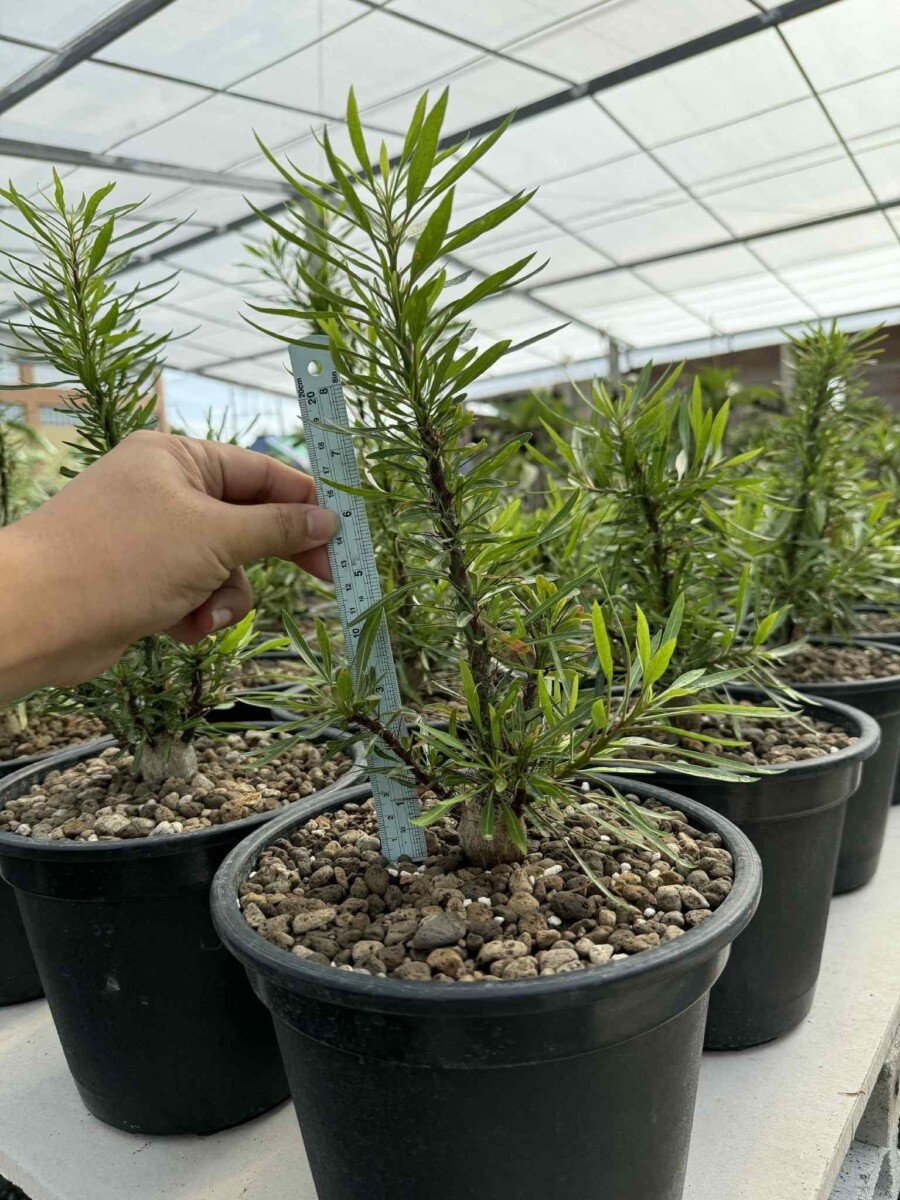
Exhibits a pachycaul, bottle-like trunk, gradually tapering; branches emerge bearing thin, light‑green leaves and sharp spines
Size Dimensions
Reaches heights from 10 to 23 feet (3–7 m), with a trunk up to 24 inches (~60 cm) wide . Another source cites tends toward 4 m tall and 25 cm thick .
Leaves & Foliage
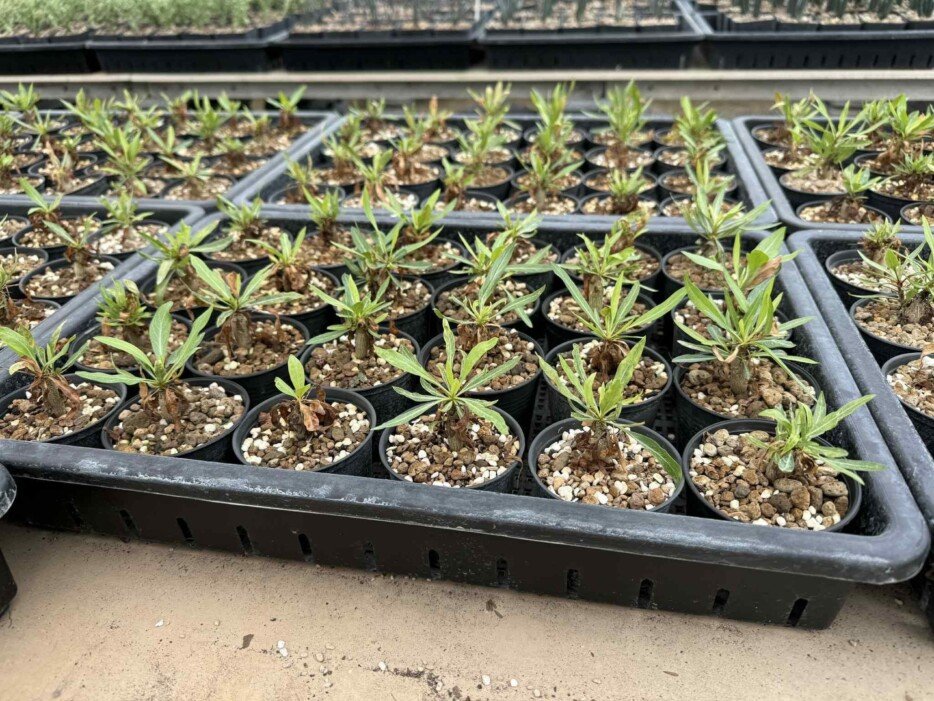
Light to bright green, oblong and slender, deciduous during dry spells, reemerging with rain
Flowers & Blooming
Pale yellow to white, occasionally cream-colored tubular flowers bloom in spring to early summer. They form at branch tips, with long protruding anthers; sweetly scented and nectar-rich, attracting insects and hummingbirds
Special Traits
The bottle‑shaped trunk stores water, tapering further up the stem—setting it apart from close relatives like F. fasciculata and giving it a boojum‑like aesthetic .
5. Cultivation & Landscape Use
Climate & Zones
Suited to USDA zones roughly 9a to 11. Hardy to temperatures down to ~25 °F (–4 °C) with frost protection for young specimens
Light & Soil
Thrives in full to partial sun and requires fast-draining, gritty or average soils
Watering Requirements
Drought-tolerant once established. Outdoors, water 2–3 times/month in summer; indoors or container-grown, 2–3 times/week. In winter, minimize watering: outdoor plants once/month, containers once/week .
Landscape Applications
Ideal for xeriscaping, rock gardens, desert landscapes, erosion control on slopes, or as an architectural focal point .
Cultivation Notes
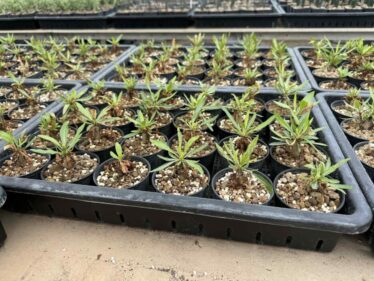
Rare in horticulture, seed availability is recent. Exhibits slow growth; propagation is typically achieved via seed
6. Ecological & Cultural Significance
Ecological Role
Flowers attract hummingbirds and insects; though specific traditional uses for fouquieria purpusii are not well documented, other Fouquieria species have ethnobotanical uses
Unique Adaptations
Drought-deciduous—shedding leaves during dry spells, re-leafing after rain
Community Insights
Enthusiasts share cultivation advice: hydrogen peroxide–water mix may aid germination; pruning can encourage caudiciform development; underpotting may promote caudex growth; growth season timing varies with species Reddit+1.
Appreciations note the rarity: “I don’t see this variety often… Looks like a shaggy dog when the leaves come out!” Reddit.
7. Conservation & Future
The specialized habitat preferences, limited geographic range, and challenging reproductive biology of fouquieria purpusii render it vulnerable to extinction. The species is predicted to be at risk, and its long-term survival hinges on conservation efforts, habitat protection, and deeper understanding of its regeneration ecology
8. Summary Table
Trait
Description
Species Name
Fouquieria purpusii
Family
Fouquieriaceae
Common Names
Mexican Bottle Tree, Candlewood
Native Range
Southern Puebla & Northern Oaxaca, Mexico
Habitat
Rocky limestone/basalt slopes in dry tropical scrub
Height
10–23 ft (3–7 m), trunk up to ~24 in wide
Leaves
Light green, deciduous, slender
Flowers
Pale yellow to white, tubular, scented
Water Needs
Low; drought-tolerant
Soil
Gritty, well-drained
Light
Full to partial sun
Hardiness
Down to ~25 °F; frost protection advised
Conservation
Endangered, reproduction limited by habitat and pollinator scarcity
9. Conclusion
Fouquieria purpusii is not just a plant—it’s a living sculpture, a testament to xeric adaptation and botanical rarity. Its evocative form, delicate flowering, and precarious existence make it ideal for enthusiasts, horticulturists, and conservation-minded gardeners seeking both aesthetic and ecological significance. Whether cultivated as a standalone specimen or studied for its ecological story, fouquieria purpusii deserves admiration and protection.