

Dioscorea Elephantipes
Dioscorea Elephantipes: The Unique and Fascinating Plant You Need to Know
Dioscorea elephantipes, commonly known as the “elephant’s foot” plant, is a remarkable and exotic species that has gained popularity among plant collectors and gardening enthusiasts. This striking plant, native to Southern Africa, is well-known for its large, bulbous, and elephant-like base, which gives it its name. Order your plants at:caudexplants.com If you’re fascinated by unique plants with both aesthetic appeal and intriguing growth patterns, Dioscorea elephantipes is an excellent addition to your collection. In this article, we’ll explore everything you need to know about this rare plant, including its care requirements, propagation methods, and where to find it.Buy your plants at:caudexplants.com
What is Dioscorea Elephantipes?

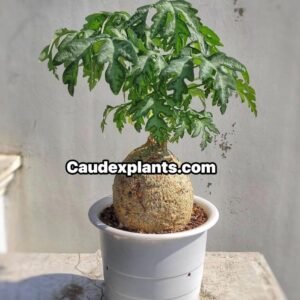
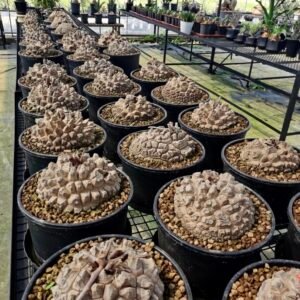
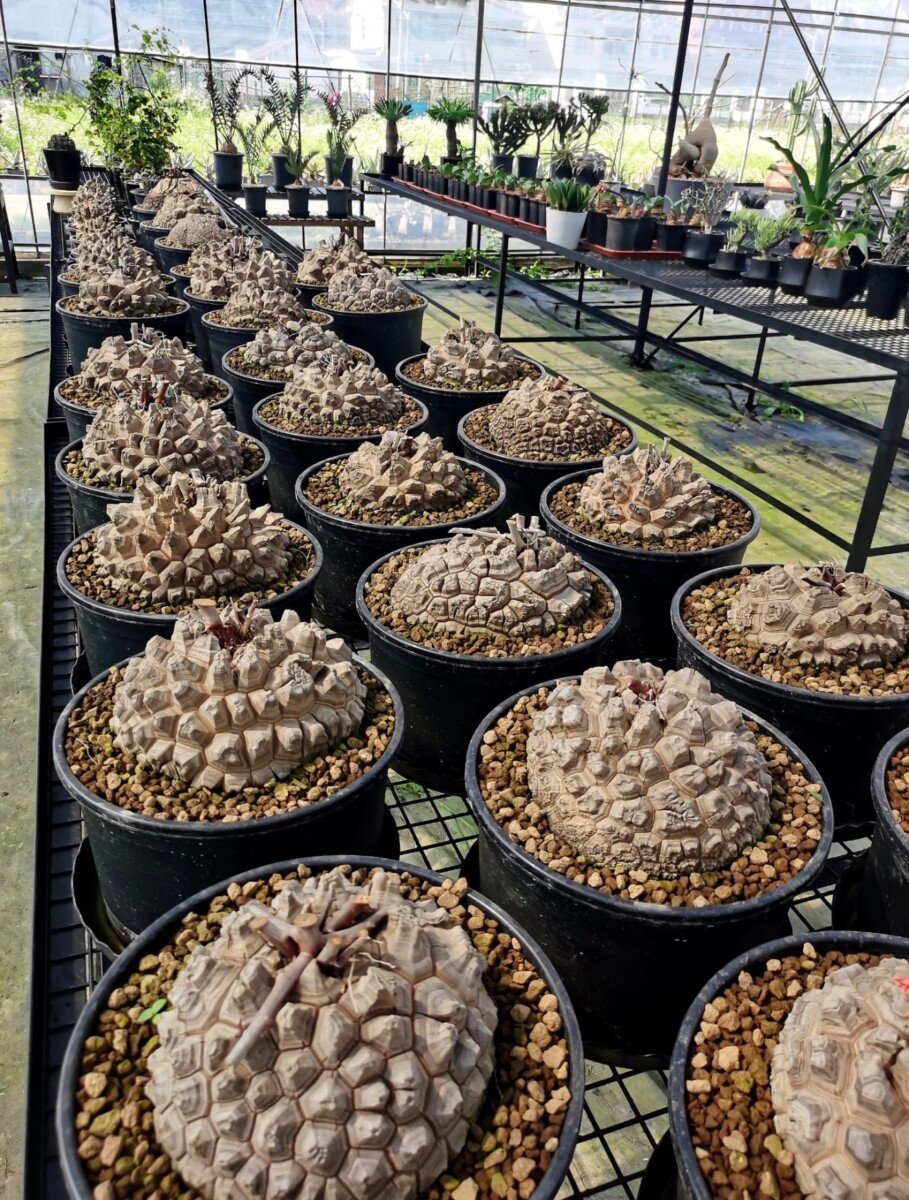
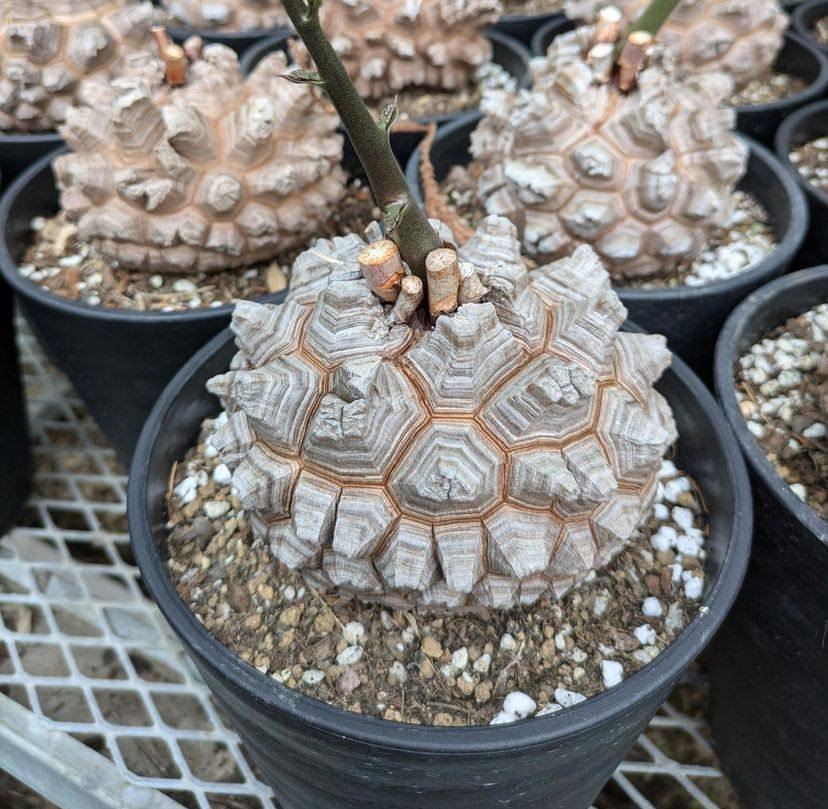
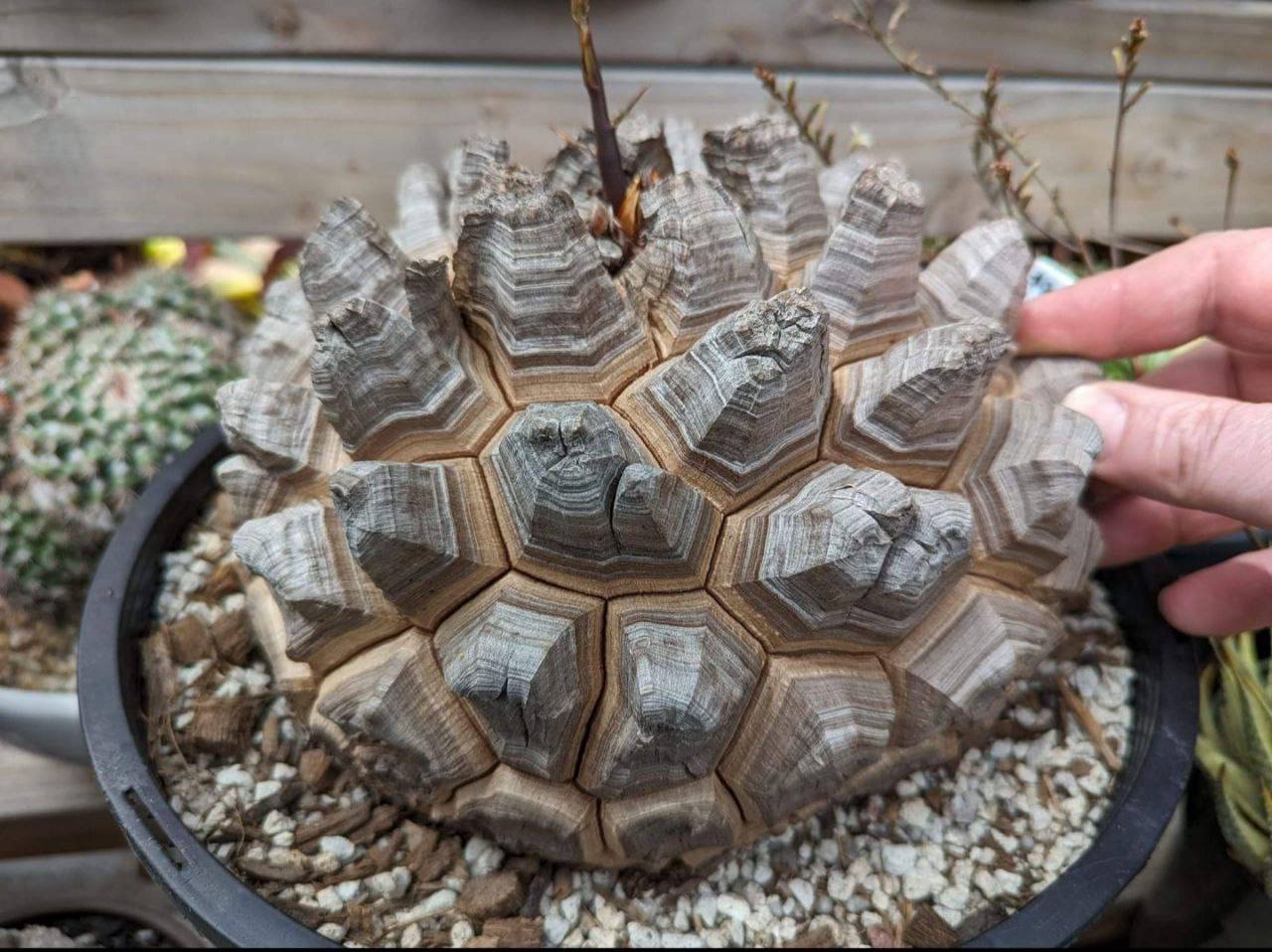
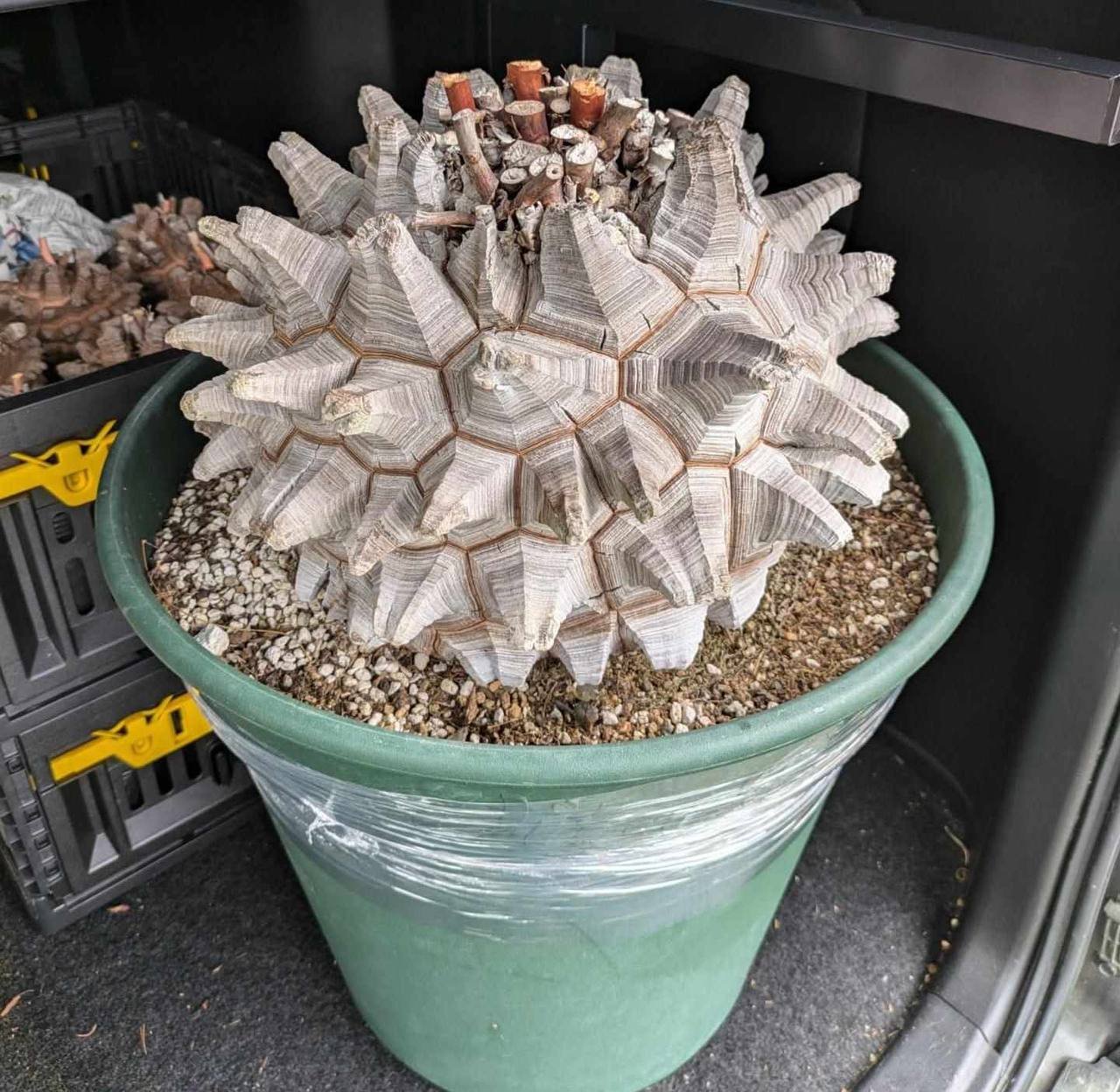
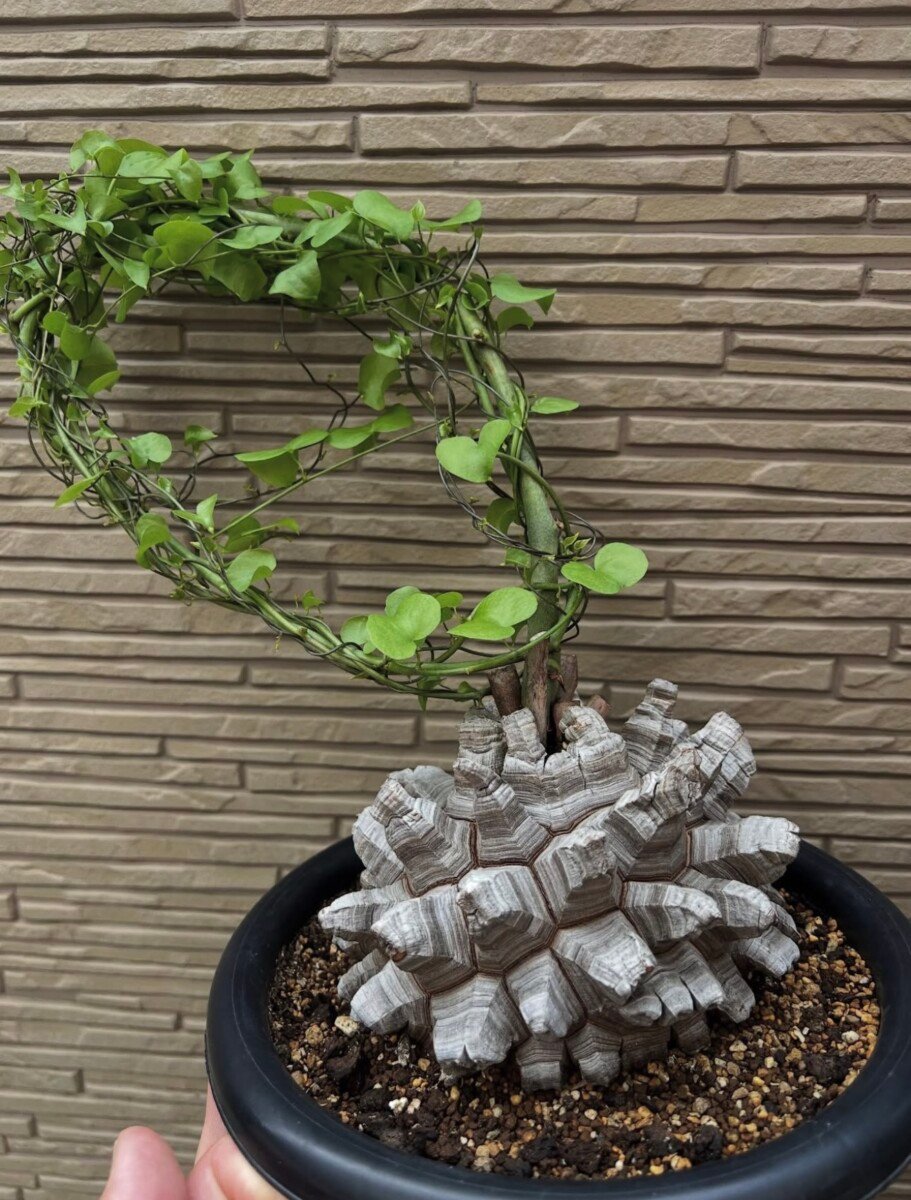
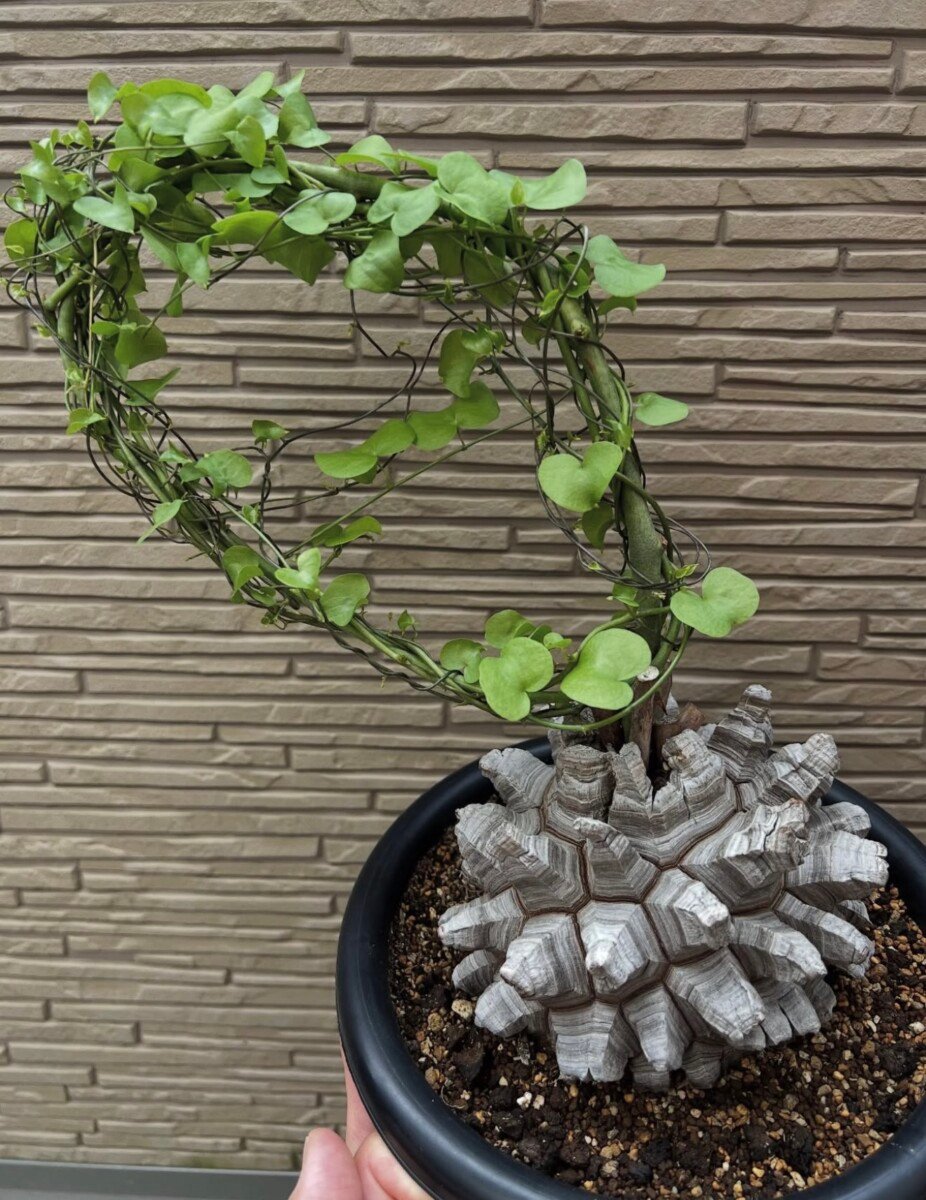
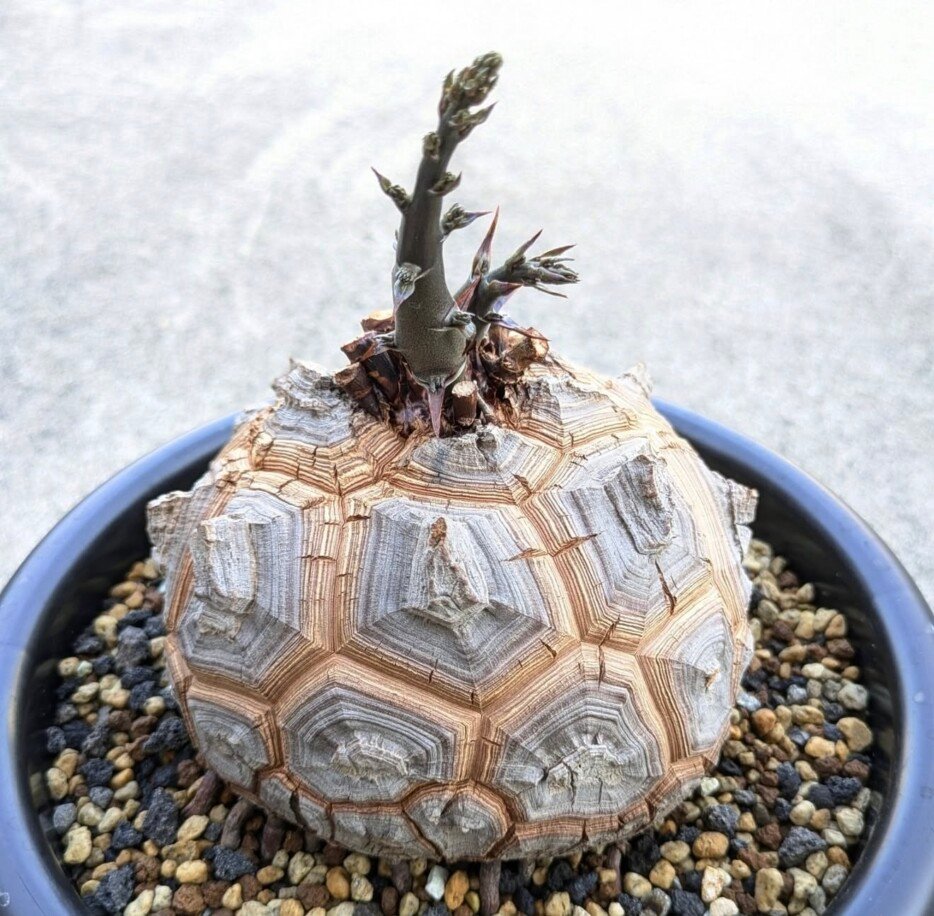
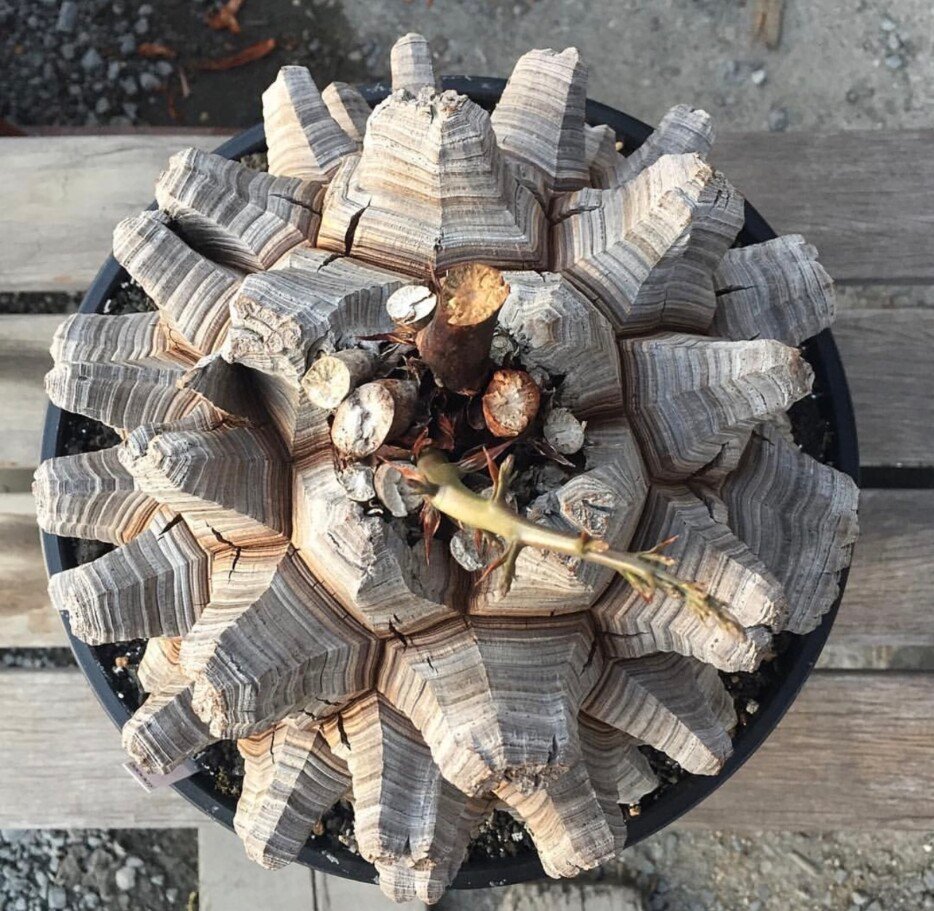
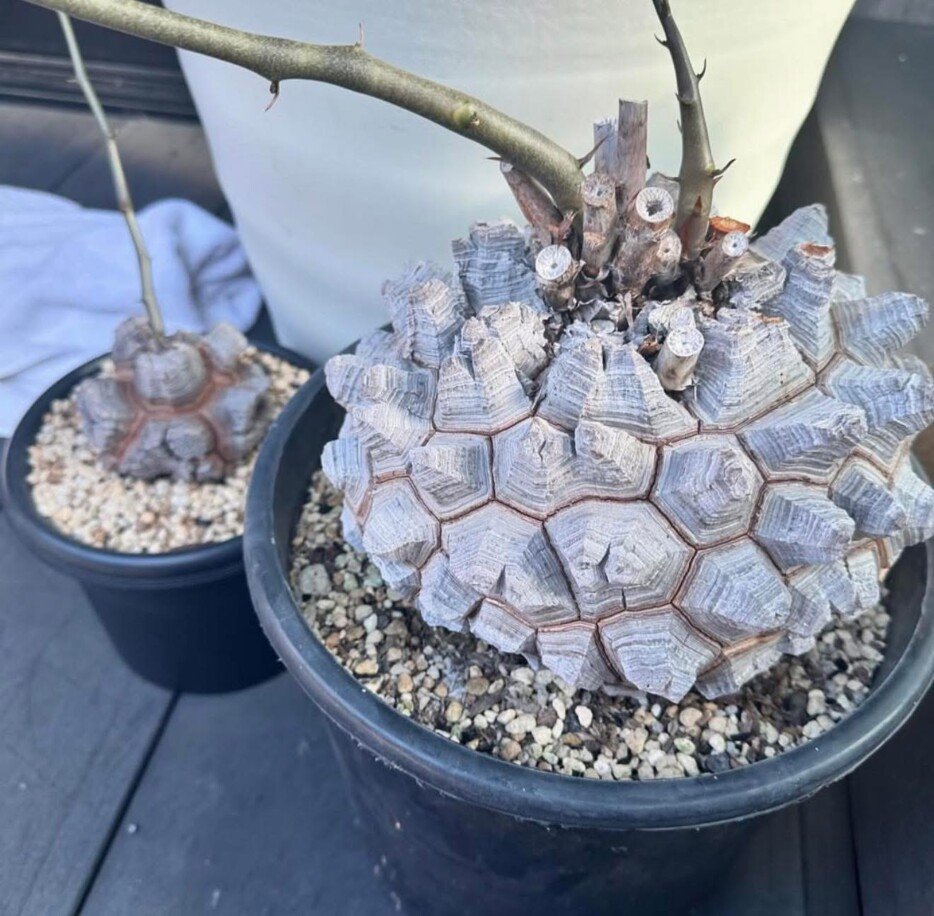
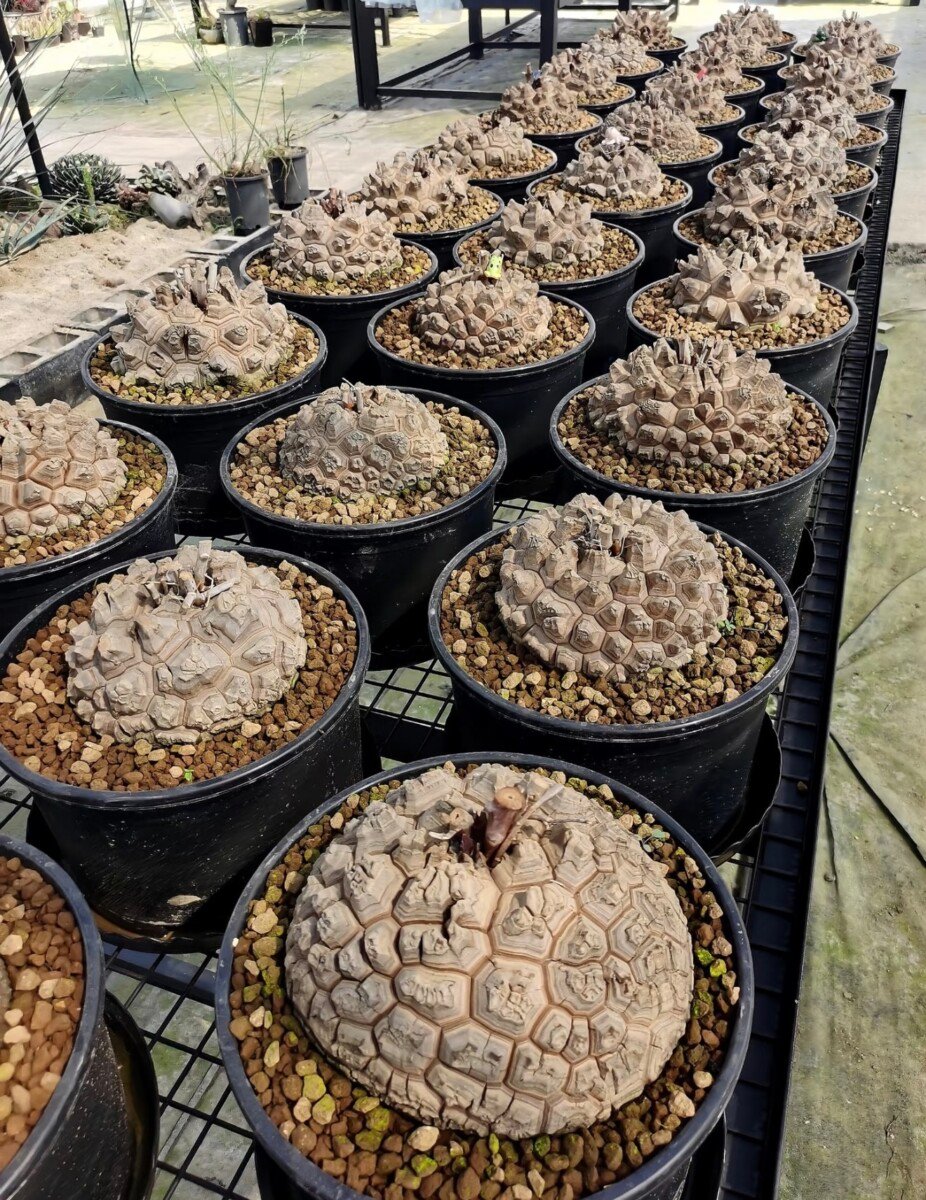
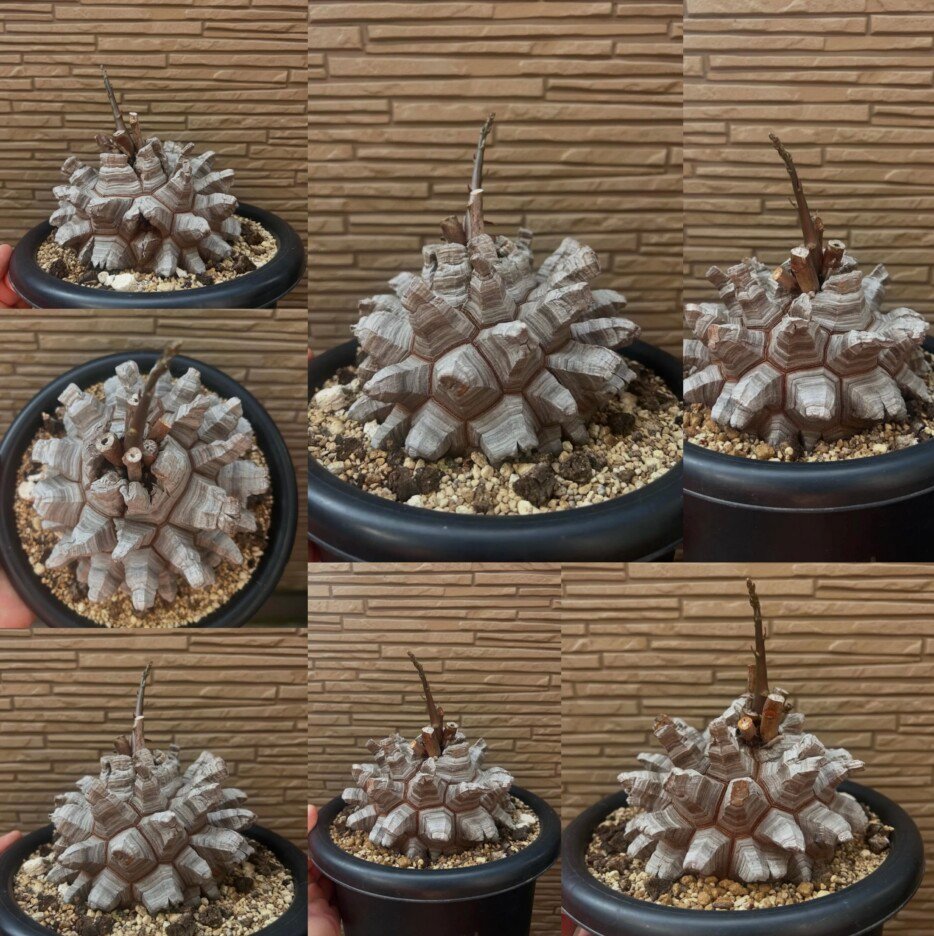
Dioscorea elephantipes is a perennial, deciduous plant belonging to the Dioscoreaceae family. This plant is native to dry regions of Southern Africa, including Namibia, Botswana, and South Africa. The plant’s most striking feature is its thick, swollen stem, resembling an elephant’s foot, which can grow up to 3 feet wide. The tuberous base stores water, allowing Dioscorea elephantipes to survive in arid climates. The vine-like shoots grow from the base and have heart-shaped leaves, making it a visually appealing plant for both indoor and outdoor gardens.Order your plants here:caudexshop
Unlike many other plants, Dioscorea elephantipes remains dormant during the colder months, only sprouting new growth in the warmer seasons. This unique characteristic makes it an ideal plant for those who want a low-maintenance, drought-resistant plant that doesn’t require year-round attention.
Why Should You Choose Dioscorea Elephantipes?
A Unique Aesthetic Appeal
Dioscorea elephantipes is a conversation starter due to its distinctive appearance. The plant’s thick, bulbous base, which looks like an elephant’s foot, is a striking feature that draws the attention of any plant enthusiast. As the plant matures, the swollen tuber becomes even more pronounced, making it a fascinating addition to any garden or indoor space. The vine-like stems and large, glossy leaves provide a beautiful contrast to the bulbous base, further enhancing the plant’s visual appeal.Buy your dioscorea plants at :caudexplants.com
Low Maintenance and Resilience

One of the major benefits of growing Delephantipes is its low maintenance. This plant is incredibly drought-tolerant due to the water-storing tuber at its base. In fact, it thrives in dry conditions and doesn’t require frequent watering, making it perfect for people with busy schedules or those who struggle to care for high-maintenance plants. Dioscorea elephantipes is also relatively pest-resistant, further minimizing the care it requires.Order your plants here :caudexplants.com
Long Lifespan
When properly cared for, elephantipes can live for many years, slowly growing and evolving in size. Unlike annual plants that only last a season, elephantipes grows continuously, developing a more impressive trunk and larger root system over time. This longevity makes it a rewarding plant to cultivate.Buy your plants here :caudexplants.com
How to Care for Dioscorea Elephantipes
Caring for elephantipes is easy once you understand its basic needs. Though it is a hardy plant, there are a few factors you must keep in mind to ensure it thrives in your home or garden.Shop dioscorea at :cauderxplants.com
Light Requirements
Dioscorea thrives in bright, indirect light. It’s important to place the plant in a location where it receives plenty of natural light but is not exposed to direct, harsh sunlight, as this could scorch its leaves. A spot near a window with filtered light is ideal for this plant, as it mimics the conditions of its native habitat. During the summer months, you can place the plant outdoors in a sunny spot, but make sure to avoid extreme heat.
Soil Requirements
Dioscorea prefers well-draining soil to prevent water from accumulating around its roots. A cactus or succulent potting mix is ideal, as it allows the plant to grow without the risk of root rot. If planting Dioscorea in a garden, ensure that the soil has good drainage, or create raised beds to avoid waterlogging. The plant does not tolerate consistently soggy conditions.Order your dioscorea here :caudexshop
Watering
Dioscorea elephantipes is a drought-tolerant plant that can survive long periods without water. During the growing season (spring and summer), water the plant only when the soil is completely dry. Overwatering can cause the tuber to rot, so it’s better to err on the side of caution and let the soil dry out between waterings. During the dormant phase (fall and winter), Dioscorea ele requires very little water and should be watered sparingly to prevent the tuber from decaying.
Temperature and Humidity

This plant is suited to warmer temperatures and can tolerate heat but cannot withstand frost. elephantipes grows best in temperatures between 60°F to 80°F (15°C to 27°C). It is important to keep it in a climate that does not drop below 50°F (10°C) in winter. If growing Dioscorea elephantipes indoors, make sure the plant is placed in an area where it will be protected from sudden temperature fluctuations and drafts.
Fertilization
elephantipes is not a heavy feeder, but it will benefit from occasional fertilization. Use a balanced, diluted liquid fertilizer during the growing season (spring and summer) once every 4-6 weeks. Avoid over-fertilizing, as this can cause the plant to grow too rapidly and weaken its structure. During the dormant period, the plant does not need any fertilization.
How to Propagate Dioscorea Elephantipes
If you want to propagate Dioscorea elephantipes, it can be done through seed propagation or stem cuttings. Here’s how you can propagate this fascinating plant:
Seed Propagation
- Collect Seeds: When the plant flowers, it produces small seeds that can be harvested and used for propagation. Ensure that the seeds are fully mature before harvesting.
- Prepare the Soil: Plant the seeds in a well-draining potting mix and cover them lightly with soil.
- Water Sparingly: Water the seeds lightly, but avoid soaking them.
- Provide Warmth and Light: Place the pot in a warm spot with indirect sunlight. Keep the soil slightly moist until the seeds germinate.
- Transplant: Once the seedlings have grown large enough, you can transplant them into their own pots.Buy your plants at :caudexplants.com
Tuber Division
Another method of propagation for elephantipes is through tuber division. This is usually done by dividing the tuber into sections, each with a growing shoot. After dividing the tuber, let the cut ends callus for a few days before planting them in fresh, well-draining soil.Shop dioscorea at:caudexplants.com
Common Issues with Dioscorea Elephantipes and How to Solve Them
Although elephantipes is a hardy plant, there are a few common issues you may encounter while growing it. Let’s address these problems and how to resolve them:Buy plants at:caudexplants.com
Yellowing Leaves
If the leaves of your Dioscorea are turning yellow, it may be due to overwatering or poor drainage. Check the soil to ensure it is not soggy and make sure your pot has proper drainage. Let the soil dry out before watering again. Additionally, yellowing leaves could indicate nutrient deficiencies, so be sure to fertilize the plant during the growing season.buy dioscorea at;caudexplants.com
Rotting Tuber
Rotting is one of the most serious issues elephantipes can face. This usually occurs due to overwatering or poor drainage. If you suspect the tuber is rotting, remove the plant from the pot and inspect the roots. Trim off any rotted areas and repot the plant in fresh, well-draining soil. Ensure the plant is watered only when the soil is completely dry.
Pests
Dioscorea elephantipes is generally pest-resistant, but it can still attract occasional pests such as aphids or mealybugs. To remove pests, gently wipe the leaves with a damp cloth or spray the plant with insecticidal soap. Always check the plant regularly for any signs of pests and address them promptly to prevent further damage.Order your plants from :caudexplants.com
Where to Buy Dioscorea Elephantipes
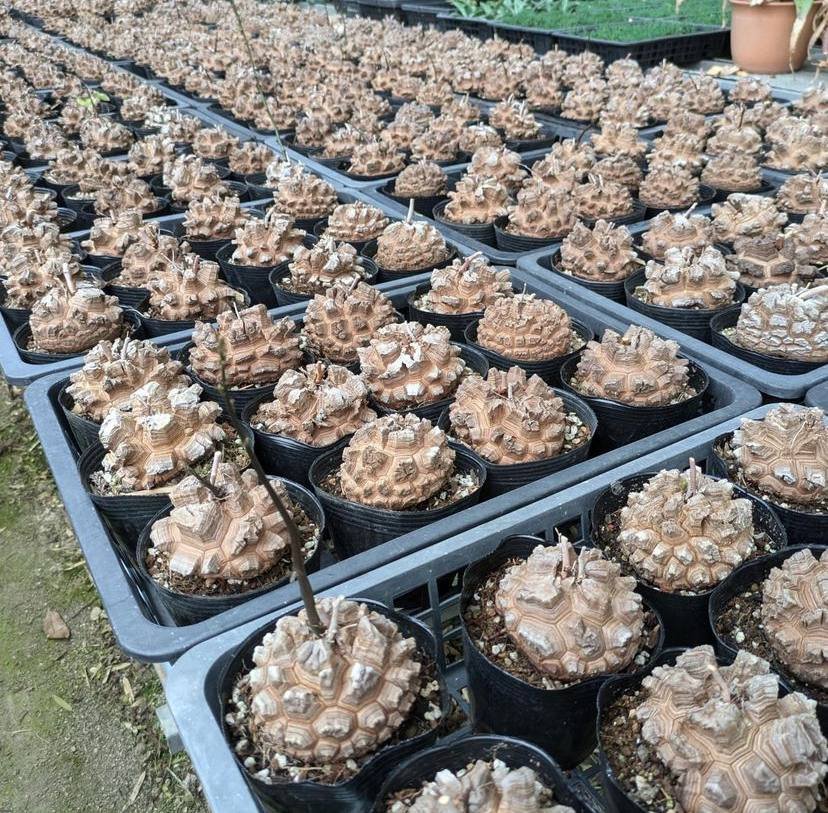
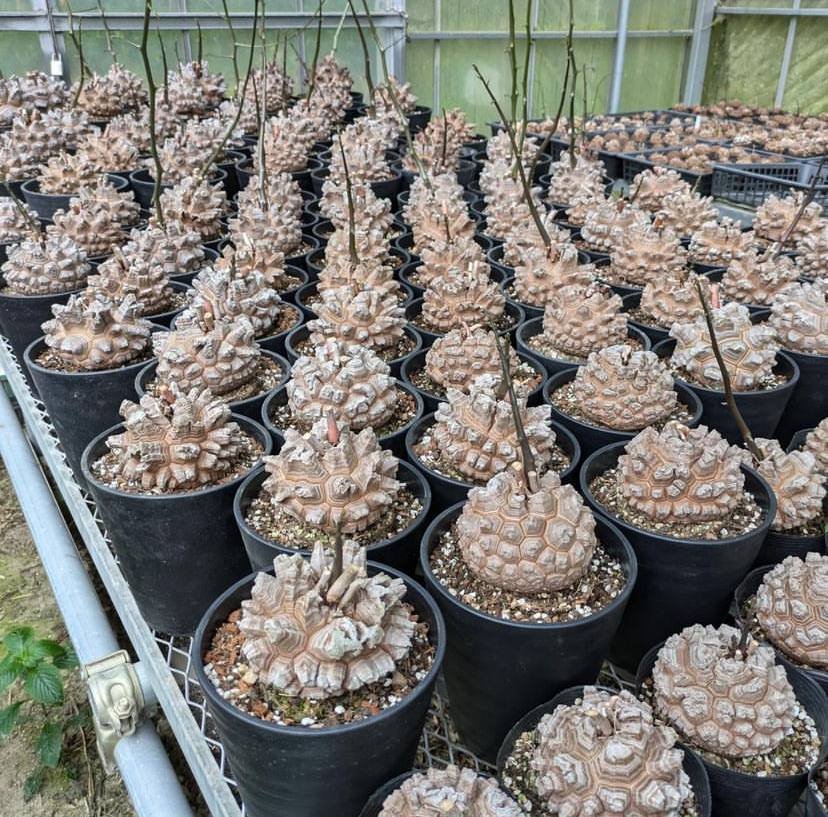
Dioscorea elephantipes can be found at specialty nurseries, online plant shops, and from plant collectors. Before purchasing, ensure the seller provides healthy, mature plants with well-established tubers. While this species may not be available at every garden center, many online retailers offer this rare plant, allowing you to have it shipped directly to your door. Always read customer reviews and check the return policies before making an online purchase.
Conclusion: Add Dioscorea Elephantipes to Your Collection
With its unique appearance and low-maintenance care requirements, Dioscorea elephantipes is a fantastic choice for any plant enthusiast. Whether you are looking for a rare addition to your collection or a stunning centerpiece for your garden, this remarkable plant is sure to stand out. By understanding its care needs and maintaining the right growing conditions, you can enjoy a thriving Dioscorea elephantipes for many years.Buy amazing plants from:caudexplants.com