Encephalartos Arenarius
Introduction to Encephalartos Arenarius
Encephalartos arenarius, commonly known as the sand cycad, is a stunning and hardy species of cycad native to the arid regions of southern Africa. Known for its striking blue-gray foliage and robust growth, E arenarius is prized by plant collectors and gardening enthusiasts alike. With a unique adaptation to desert environments, it thrives in sandy, well-drained soils and is perfectly suited for xeriscaping or low-maintenance gardens.Join Facebook Group :Click here
As part of the Encephalartos genus, which is renowned for its ancient lineage and iconic appearance, E arenarius offers a glimpse into the past. This cycad species is not only admired for its beauty but also for its resilience in harsh climates. If you’re looking to add a distinctive and low-maintenance plant to your collection, Encephalartos arenarius is a fantastic choice.Purchase Encephalartos arenarius from:click here

Characteristics and Appearance of E Arenarius
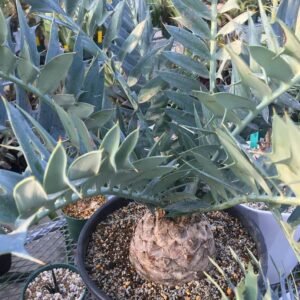
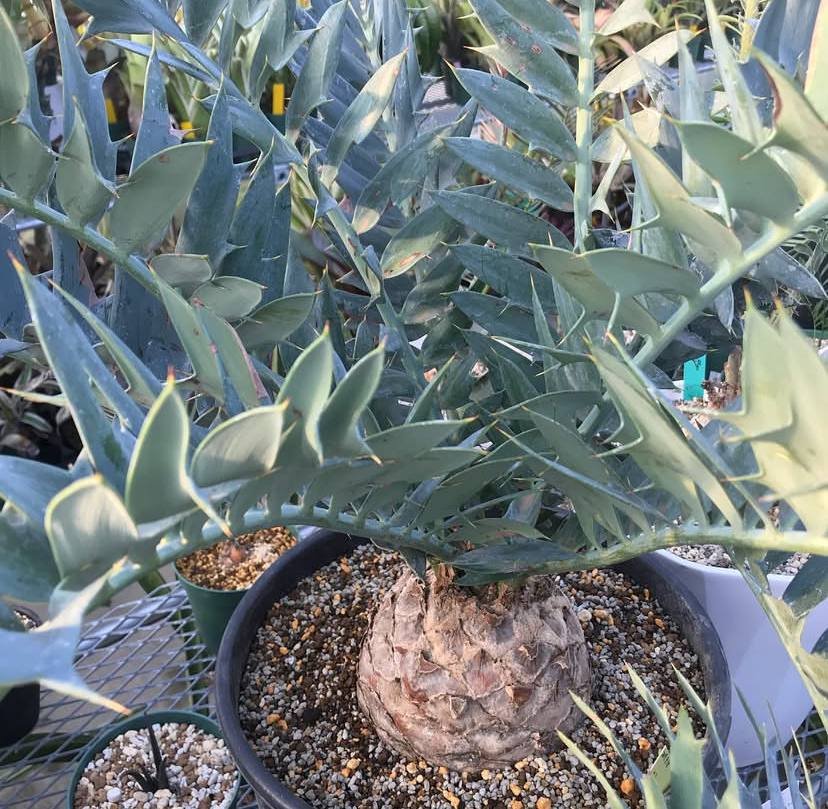
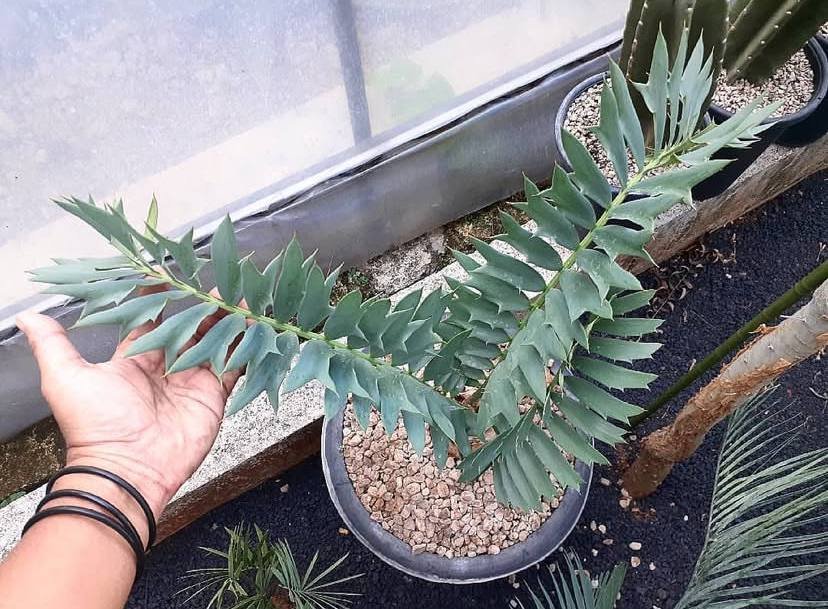
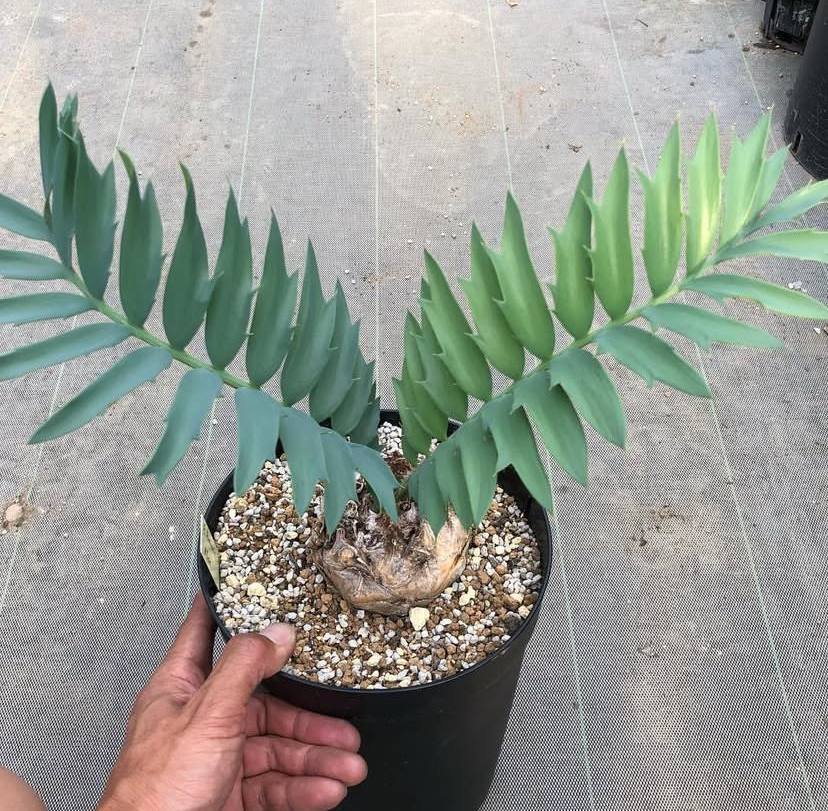
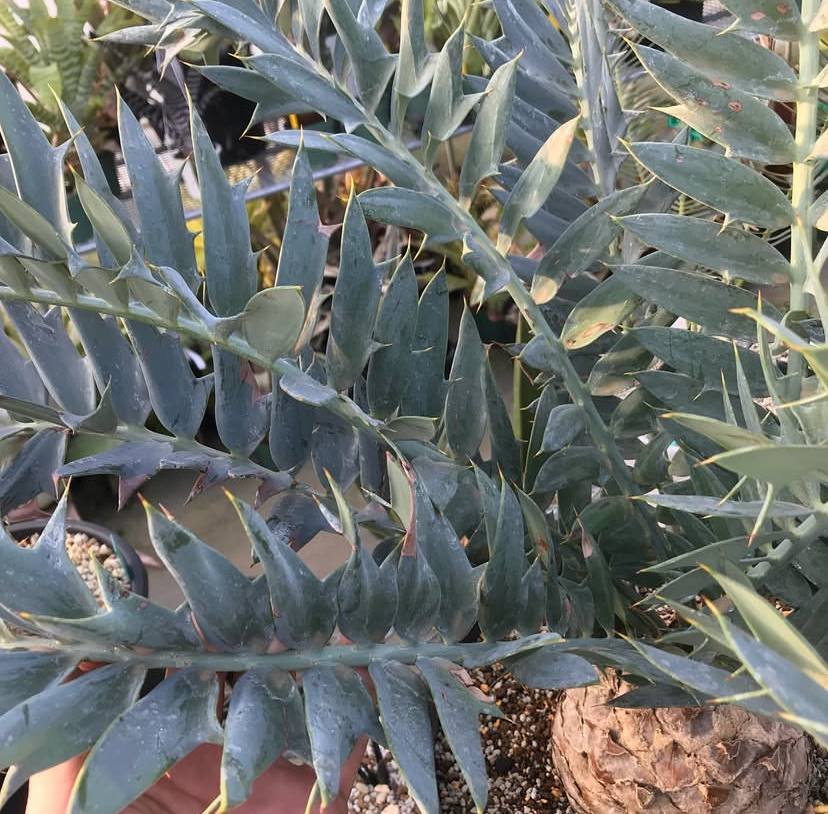
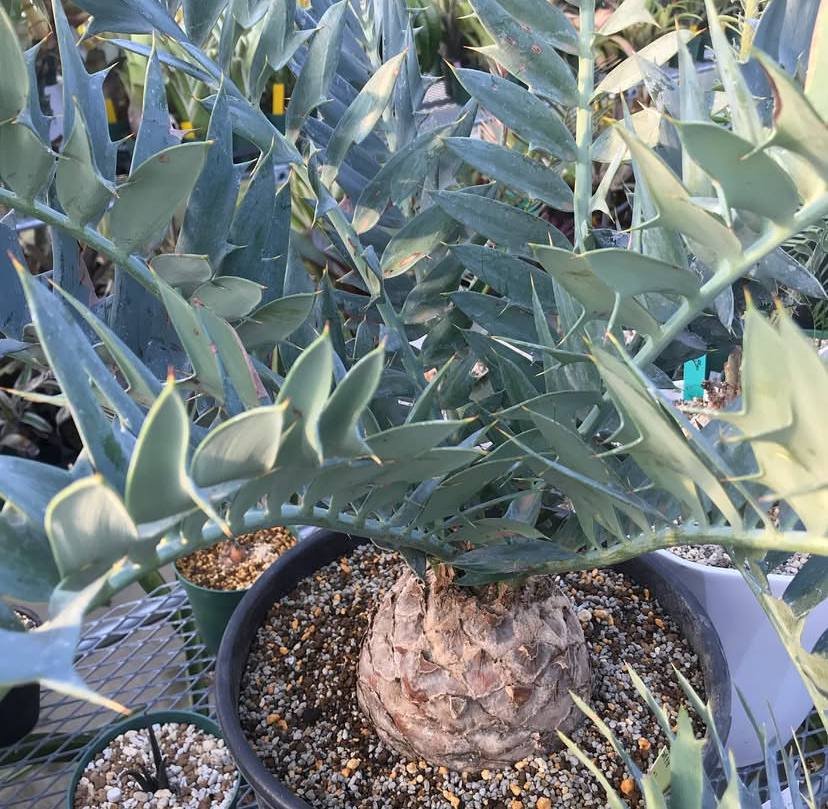
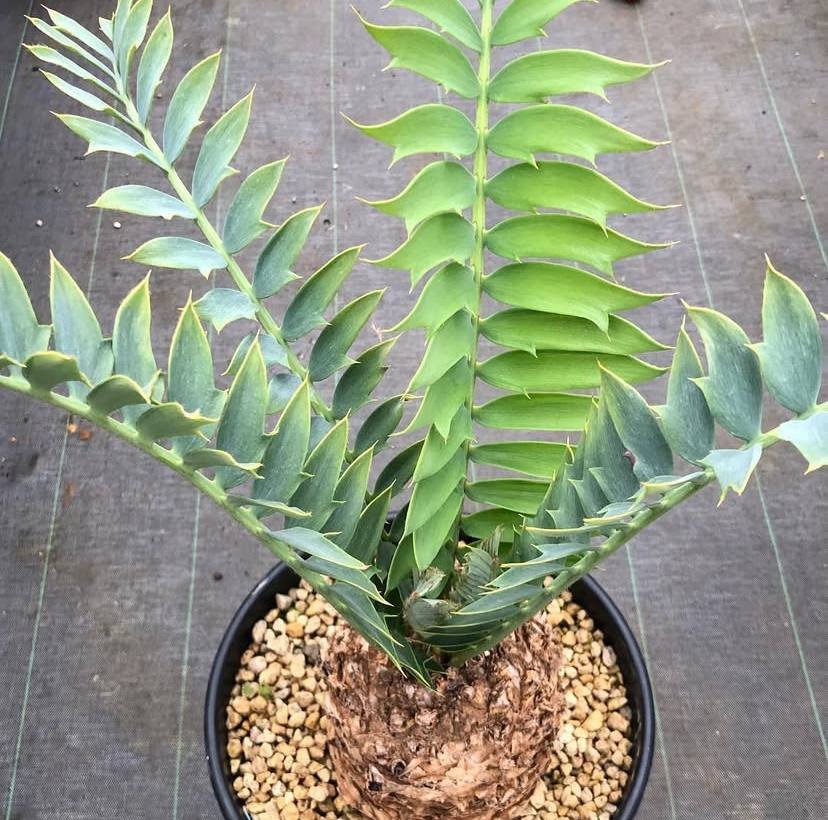
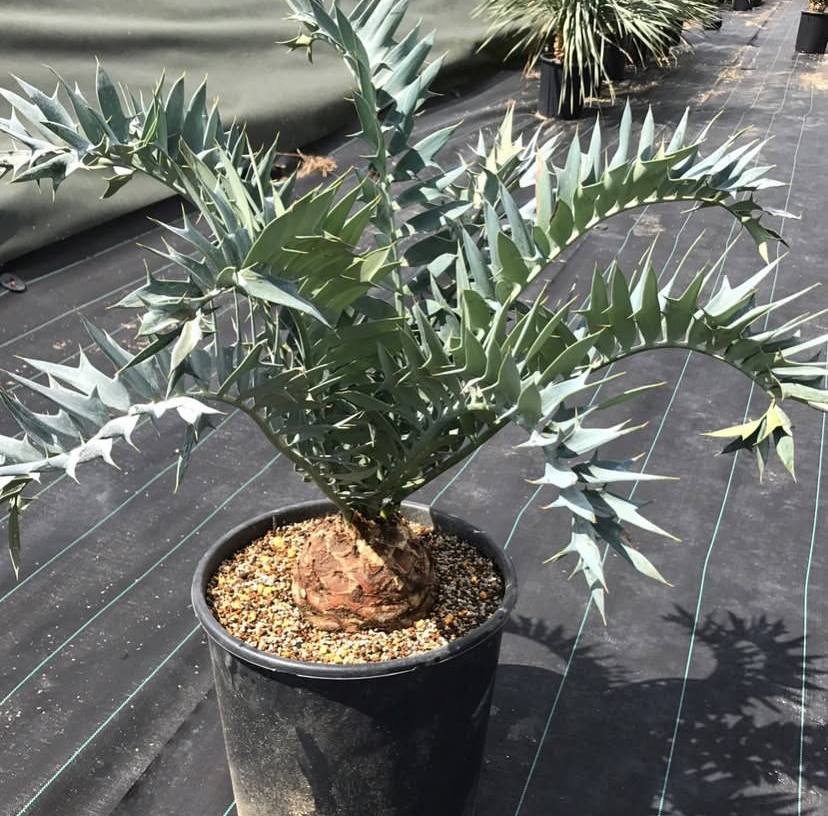
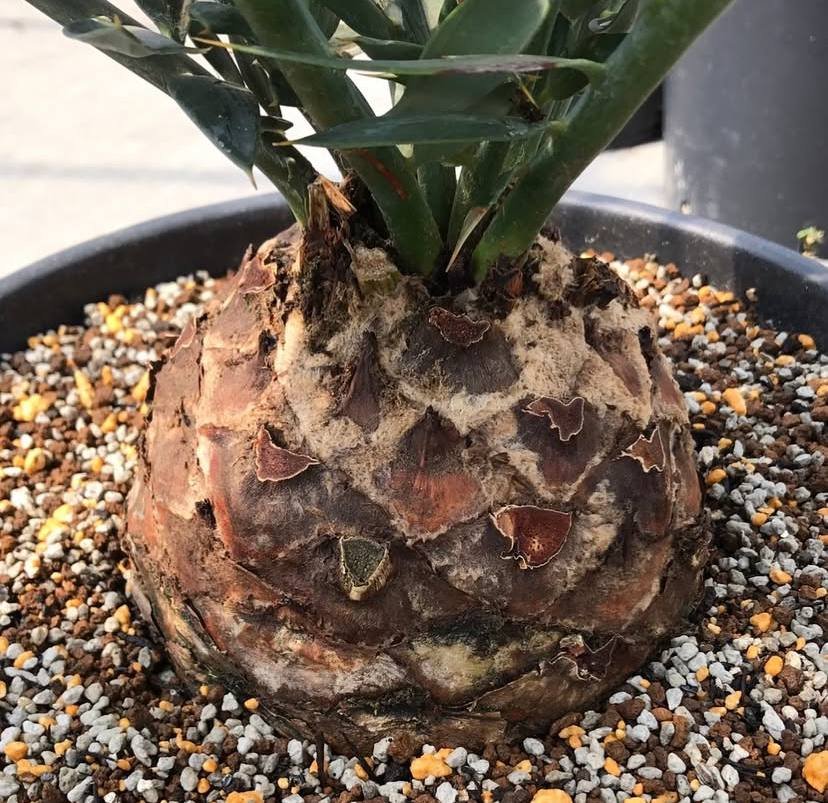
E arenarius has a unique appearance that sets it apart from other cycads. The plant features a short, stout trunk that is typically covered in old leaf bases and can grow to a height of about 1–3 meters, depending on growing conditions. The crown of the plant consists of numerous arching, silver-blue to gray-green fronds that grow in a spiral pattern around the top of the trunk. These fronds are rigid, leathery, and pinnate (feather-like), contributing to the plant’s dramatic and bold appearance.
One of the most striking features of E arenarius is its color. The silver-gray foliage provides an unusual contrast to the dark trunk, making it a stunning centerpiece in any garden or landscape design. Its ability to withstand intense sunlight and drought conditions is also a notable characteristic, further emphasizing its hardiness and suitability for dry environments.
Native Habitat of Encephalartos Arenarius
E arenarius is endemic to the arid regions of southern Africa, particularly the coastal areas of the Eastern Cape and Western Cape. This cycad species thrives in the dry, sandy soils found in these regions and has adapted to the harsh conditions through specialized features like drought tolerance and low water requirements.
The climate of its native habitat is characterized by hot, dry summers and mild, wet winters. Encephalartos arenarius has evolved to thrive in this environment, where water is scarce, and temperatures can reach extreme levels. Its robust, drought-resistant nature makes it an excellent plant choice for xeriscaping, where water conservation is essential .Purchase E arenarius from:click here
Growing Encephalartos Arenarius
To grow E arenarius successfully, it’s essential to replicate its native environment as closely as possible. This plant is well-suited for cultivation in regions with dry, hot climates but can also be grown in pots in more temperate areas. Here are the key factors to consider for successful growth:
Soil Requirements
E arenarius thrives in well-draining, sandy soils. In its natural habitat, it grows in nutrient-poor, slightly acidic to neutral soils. To replicate this, you should plant E arenarius in a mixture of sand, perlite, and coarse gravel. Avoid rich, heavy soils, as they can retain too much moisture and lead to root rot. The soil should be light, well-drained, and slightly acidic (pH 5.5 to 7.0).
Light Conditions
This cycad species thrives in full sunlight and requires several hours of direct sunlight daily to grow optimally. It can tolerate partial shade but will not grow as vigorously under these conditions. If you are growing it indoors, place it near a bright window with plenty of sunlight, preferably facing south or west. E arenarius is highly tolerant of intense sunlight, which makes it ideal for outdoor planting in hot, sunny regions.

encephalartos arenarius
Temperature and Humidity
E arenarius is adapted to hot, dry climates and thrives in temperatures ranging from 25°C to 35°C (77°F to 95°F). While it can tolerate some temperature fluctuations, it is not frost-hardy. Frost can cause severe damage to its fronds and trunk, so it should be protected from freezing temperatures. In cooler climates, it is advisable to grow E arenarius in containers and bring it indoors during the winter.
The plant prefers low humidity and is highly drought-tolerant, making it ideal for desert landscapes and xeriscaping. In areas with higher humidity, ensure that the plant has excellent air circulation to avoid fungal diseases .Purchase E arenarius from:click here
Watering and Fertilization of E Arenarius
Watering
E arenarius is a drought-resistant plant that requires minimal watering once established. Overwatering can lead to root rot, so it’s crucial to allow the soil to dry out completely between waterings. During the growing season (spring and summer), water the plant thoroughly, but ensure that excess water drains away. In the winter months, watering should be reduced significantly, as the plant is dormant and requires less moisture.
If growing in a container, ensure the pot has proper drainage to prevent water from accumulating at the bottom. Water the plant when the soil is dry to the touch, and always check the drainage holes to confirm that the water is not sitting around the roots.
Fertilization
Fertilizing E arenarius should be done sparingly. During the growing season, use a balanced, slow-release fertilizer that is designed for cycads or palms. A fertilizer with a ratio of 10-10-10 (NPK) works well, as it provides the necessary nutrients without overloading the plant. Be cautious not to over-fertilize, as this can lead to nutrient imbalances and harm the plant.
Fertilization should be reduced or stopped in the fall and winter months when the plant is not actively growing. If the plant shows signs of nutrient deficiency, such as yellowing leaves or stunted growth, you can apply a mild liquid fertilizer to provide extra nutrients.
Propagation of Encephalartos Arenarius
E arenarius can be propagated through seeds or offsets, although seed propagation is the most common method. Propagating from seed is a rewarding process but requires patience, as this cycad species has a slow growth rate.
Seed Propagation
To propagate E arenarius from seed, collect the seeds from mature female plants once they have ripened. The seeds need to be cleaned and soaked in water for 24–48 hours to soften the seed coat. After soaking, plant the seeds in a well-draining, sterile seed mix, and keep them in a warm, shaded area. Germination can take several months, so patience is essential.
Once the seedlings have developed a strong root system and the first set of fronds, they can be transplanted into individual pots. Ensure they continue to receive bright, indirect light and are watered carefully to avoid overwatering.
Offsets
E arenarius can also be propagated by separating offsets (small shoots that grow from the base of the plant). These offsets can be carefully cut from the main trunk and planted in a separate pot with the same well-draining soil mix. Offsets usually take several years to grow large enough to become independent plants.
Common Pests and Diseases of Encephalartos Arenarius
Although E arenarius is a hardy and resilient plant, it can still be affected by pests and diseases. Here are some common issues to watch for:
Scale Insects
Scale insects are one of the most common pests affecting cycads. These small, sap-sucking insects can be found on the stems and leaves of the plant. If left untreated, scale insects can cause the plant to weaken and become more susceptible to other pests or diseases. To control scale, use horticultural oil or insecticidal soap .Purchase E arenarius from:click here
Mealybugs
Mealybugs are another pest that may infest E arenarius. These insects tend to gather in the axils of leaves or around the base of the fronds. Mealybugs can be controlled with insecticidal soap or by wiping the affected areas with a cotton swab dipped in rubbing alcohol.
Root Rot
Root rot is a significant concern for cycads, especially when grown in poorly drained soil or when overwatered. To prevent root rot, ensure the plant is in well-draining soil, and avoid watering too frequently. If root rot occurs, remove the affected roots and replant the cycad in fresh, sterile soil.
Why Choose Encephalartos Arenarius?
E arenarius is a highly sought-after cycad species due to its striking appearance, drought tolerance, and ease of care. Its unique blue-gray foliage and ability to thrive in sandy, well-drained soils make it an excellent choice for xeriscaping and desert landscaping. Additionally, its low maintenance requirements make it an ideal plant for those who want a stunning focal point in their garden without needing constant attention.
As a slow-growing species, E arenarius can live for decades with proper care, making it a long-term investment for your garden. Its distinctive look and ability to withstand harsh conditions ensure that it remains an attractive and valuable addition to any collection.
Conservation and Protection of Arenarius
Like many other cycad species, E arenarius faces threats in the wild due to habitat destruction and illegal collection. Although it is not currently listed as endangered, conservation efforts are important to ensure that this unique species continues to thrive in its natural habitat. By cultivating E Arenarius in gardens and collections, you can contribute to its conservation and help protect this ancient plant for future generations .Purchase encephalartos arenarius from:click here

Conclusion
E arenarius is an extraordinary plant that offers both beauty and resilience. With its striking foliage, ability to withstand harsh conditions, and low-maintenance care requirements, it is an ideal choice for anyone looking to add a unique, long-lasting plant to their collection. Whether you’re an experienced gardener or a beginner, E arenarius is sure to make a bold statement in your garden or landscape.
With the right care, this beautiful cycad can thrive for decades, bringing a touch of the desert’s beauty to your home. Whether grown in the ground or in containers, E arenarius is a plant that will continue to captivate and inspire for many years to come.