

Encephalartos Caffer
Introduction to Encephalartos Caffer
Encephalartos caffer, also known as the Coastal Cycad or Caffer’s Cycad, is a visually striking species in the Encephalartos genus. It is native to the coastal regions of South Africa, thriving in subtropical climates and characterized by its bold appearance and slow growth. This cycad species has long been valued for its ornamental appeal, making it a sought-after plant for collectors, landscape enthusiasts, and gardeners alike.FB Group.
In this guide, we will explore the various aspects of E caffer, from its physical characteristics and native habitat to its care, propagation, and the challenges it faces due to conservation concerns. Whether you’re a seasoned gardener or a beginner looking to add a rare specimen to your collection, Encephalartos caffer can be an excellent choice for your garden or landscape.Purchase encephalartos caffer here:caudexplants.com

Physical Characteristics of Encephalartos Caffer
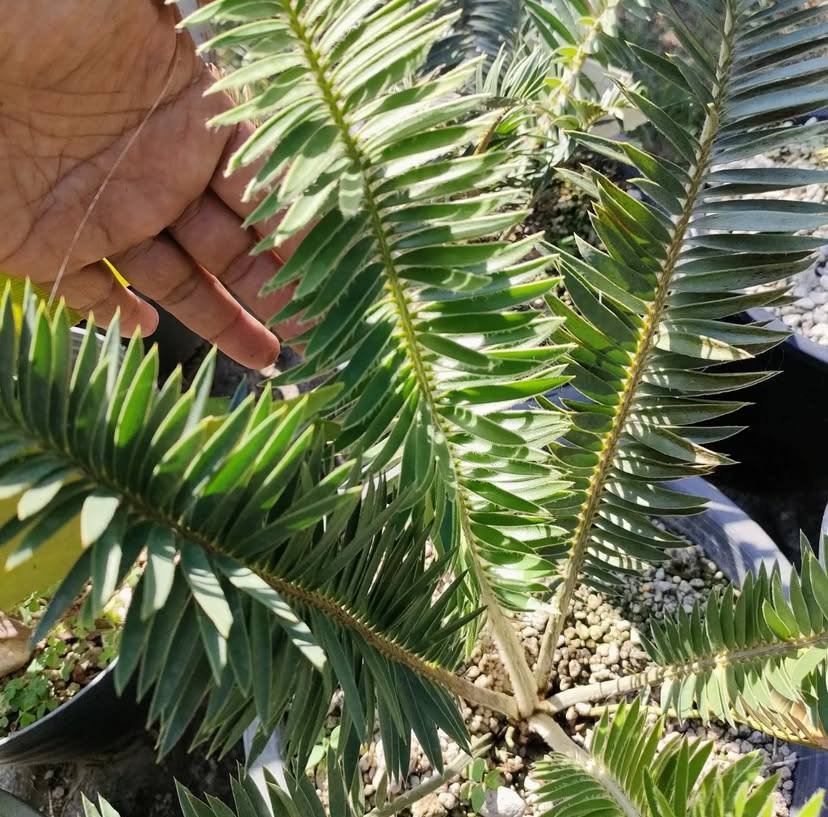
One of the most notable features of E caffer is its striking foliage. The plant’s large, arching leaves are blue-green to greyish in color, giving it a unique, sculptural appearance. These leaves are leathery, thick, and stiff, arranged in a symmetrical rosette around the plant’s trunk. E caffer can grow to about 3 meters (10 feet) tall, with a trunk that remains stout and unbranched for many years, giving the plant a dramatic, tree-like appearance.
Unlike many other cycads, E caffer often exhibits a robust and compact growth habit, making it an excellent specimen plant for smaller spaces. Its leaves, which can span up to 1.5 meters (5 feet) in length, are long, narrow, and pinnate (feather-like), providing a striking visual contrast when displayed in gardens or containers.
The reproductive structures of E caffer are typical of the cycad family. The male cones are cylindrical and produce a profusion of pollen, while the female cones are large, barrel-shaped, and produce large seeds when fertilized. These cones are an important feature for distinguishing E caffer from other species in the genus .Purchase encephalartos caffer here:caudexplants.com
Native Habitat and Environmental Requirements
E caffer is native to the coastal regions of South Africa, particularly found in the Eastern Cape and KwaZulu-Natal provinces. It thrives in subtropical climates, where it is accustomed to the warm, humid environment that characterizes coastal regions. This species typically grows in rocky outcrops, where its roots can secure themselves in well-draining, slightly acidic soils. These natural conditions contribute to the cycad’s resilience and adaptability.
In the wild, E caffer is often found growing among other coastal vegetation, with limited competition for resources due to its ability to adapt to dry periods and poor soil quality. This species has evolved to tolerate direct sunlight, making it ideal for areas that receive full exposure to the sun. However, E caffer does not tolerate frost, and in colder climates, it must be protected from freezing temperatures to survive.
When growing E caffer outside of its native habitat, it is important to replicate its natural conditions by providing well-draining soil, partial shade, and a warm environment. Avoid planting it in overly moist areas, as excess moisture can lead to root rot and other fungal diseases.

How to Care for Encephalartos Caffer
Proper care is crucial to ensuring that E caffer thrives in your garden or landscape. While this cycad species is relatively low-maintenance, there are several key care tips to follow for its successful growth.
1. Soil and Drainage
E caffer prefers well-draining soil with a slightly acidic to neutral pH. The plant will struggle in heavy, clay soils that retain too much moisture. To improve drainage, mix sand or perlite into the soil, especially if you are planting in a container. Ensure the soil is loose enough to allow air to reach the roots.
2. Watering Needs
While E caffer is drought-tolerant, it still requires regular watering, especially during the growing season. It is important to water deeply but allow the soil to dry out completely between waterings. Overwatering or allowing the plant’s roots to sit in water can cause root rot, which is detrimental to its health .Purchase encephalartos caffer here:caudexplants.com
3. Sunlight Requirements
This cycad species thrives in full sun to partial shade. In areas with intense heat, providing some afternoon shade can help prevent sunburn on the plant’s leaves. However, E caffer should not be kept in deep shade, as insufficient light can lead to leggy growth and poor health.
4. Temperature and Hardiness
E caffer is a warm-climate plant that requires temperatures between 10°C (50°F) and 30°C (86°F) for optimal growth. It is not frost-tolerant and should be protected from freezing temperatures, especially during the winter months. If growing this species outside of its native range, consider bringing it indoors or into a greenhouse during the colder months.
5. Fertilization
To encourage healthy growth, fertilize E caffer with a slow-release, balanced fertilizer during the growing season. Be careful not to over-fertilize, as this can harm the plant. Avoid fertilizers high in nitrogen, as they can cause excessive leaf growth at the expense of the plant’s overall health.
6. Pruning and Maintenance
Regular maintenance is essential to keep E caffer looking its best. Trim off any dead or damaged leaves to encourage new growth and improve the plant’s overall appearance. Additionally, inspect the plant for any pests or diseases, such as cycad scale, and treat them promptly.
Propagating Encephalartos Caffer
Propagation of E caffer is typically done through seeds, although it is a slow and often challenging process. Seeds are produced by female plants after pollination from male cones. Once seeds have matured, they can be harvested and carefully germinated.
Seed Germination
To promote germination, soak the seeds in warm water for 24 to 48 hours before planting them in a well-draining medium. Seeds should be planted in a warm, humid environment, as this mimics the conditions of the plant’s native habitat. Germination can take several months, so patience is key. Once the seedlings have sprouted and established a small root system, they can be transplanted into larger containers or directly into the ground.
Offsets and Cloning
Although less common, E caffer can sometimes produce offsets, or “pups,” at the base of the main plant. These offsets can be carefully removed and transplanted to grow into independent plants. Cloning through offsets is typically faster than seed propagation and is ideal for those looking to propagate more plants quickly.
Common Pests and Diseases
Like many other cycads, E caffer is susceptible to a range of pests and diseases. Regular inspections of the plant are necessary to ensure it stays healthy.
1. Cycad Scale
Cycad scale is one of the most common pests affecting Encephalartos caffer. These small, white insects feed on the sap of the plant, leading to yellowing of the leaves and a weakened overall structure. The best way to combat cycad scale is by applying horticultural oil or insecticidal soap to the affected areas .Purchase encephalartos caffer here:caudexplants.com
2. Root Rot
Overwatering or poor drainage can lead to root rot in Encephalartos caffer. To avoid this, ensure the soil is well-draining and allow the plant to dry out between waterings. If root rot is suspected, remove the affected roots and repot the plant in fresh, sterile soil.
3. Fungal Infections
Fungal infections can also affect E caffer, especially if the plant is kept in overly humid or wet conditions. To prevent fungal issues, avoid overhead watering and ensure the plant receives adequate airflow around its leaves and roots.
Conservation Status of Encephalartos Caffer
Unfortunately, E caffer faces several threats in its natural habitat, primarily due to habitat destruction and over-collection. The demand for ornamental cycads has led to illegal harvesting in the wild, contributing to the species’ decline. Conservation efforts are essential to preserve this rare and beautiful plant.
Many organizations and governments are working to protect E caffer and other cycad species through sustainable cultivation and habitat preservation efforts. As a gardener or collector, it is important to support these initiatives by purchasing plants from reputable sources that prioritize conservation.

Landscaping with Encephalartos Caffer
Due to its dramatic appearance and slow growth, E caffer is an excellent choice for landscaping. Its striking leaves and unique form can be used as a focal point in tropical, subtropical, or coastal garden designs. Pair it with other drought-tolerant plants, such as succulents or ornamental grasses, to create a harmonious and visually appealing landscape .Purchase encephalartos caffer here:caudexplants.com
E caffer also thrives in containers, making it an ideal choice for patio gardens or as a statement piece on a deck or terrace. Just be sure to provide it with ample space to grow, as it can eventually reach several feet in height.
Conclusion
E caffer is a remarkable and highly coveted cycad species known for its distinctive foliage, hardiness, and slow growth. By providing the right environmental conditions and care, this stunning plant can thrive in your garden or landscape for many years. Whether you’re interested in its aesthetic appeal, its fascinating reproductive structures, or its role in conservation efforts, Encephalartos caffer is sure to be a conversation starter and an essential addition to any plant collection.