
Encephalartos Latifrons
Introduction to Encephalartos latifrons
Encephalartos latifrons, commonly referred to as the Broad-leaved Cycad, is a fascinating and rare species of cycad native to South Africa. Known for its large, striking leaves and impressive size, Encephalartos latifrons is a standout plant that has captivated the attention of both horticulturists and garden enthusiasts. Join FB group .This cycad is an exceptional choice for those looking to add a unique, exotic flair to their garden, but its cultivation requires specialized knowledge and care.Shop plants at:caudexplants.com
In this comprehensive guide, we will explore everything you need to know about Encephalartos latifrons, from its characteristics and growth requirements to tips for successful cultivation. Whether you’re an experienced gardener or a beginner, this guide will provide you with the information needed to care for and appreciate this remarkable plant.

What is Encephalartos latifrons?
Encephalartos latifrons is a species of cycad that belongs to the family Zamiaceae. These ancient plants have existed for millions of years, long before the age of the dinosaurs, and have maintained their unique characteristics over time. Encephalartos latifrons is native to the eastern regions of South Africa, where it thrives in the rugged, arid landscapes of the region.
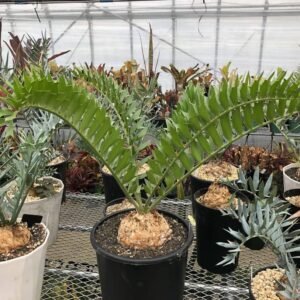
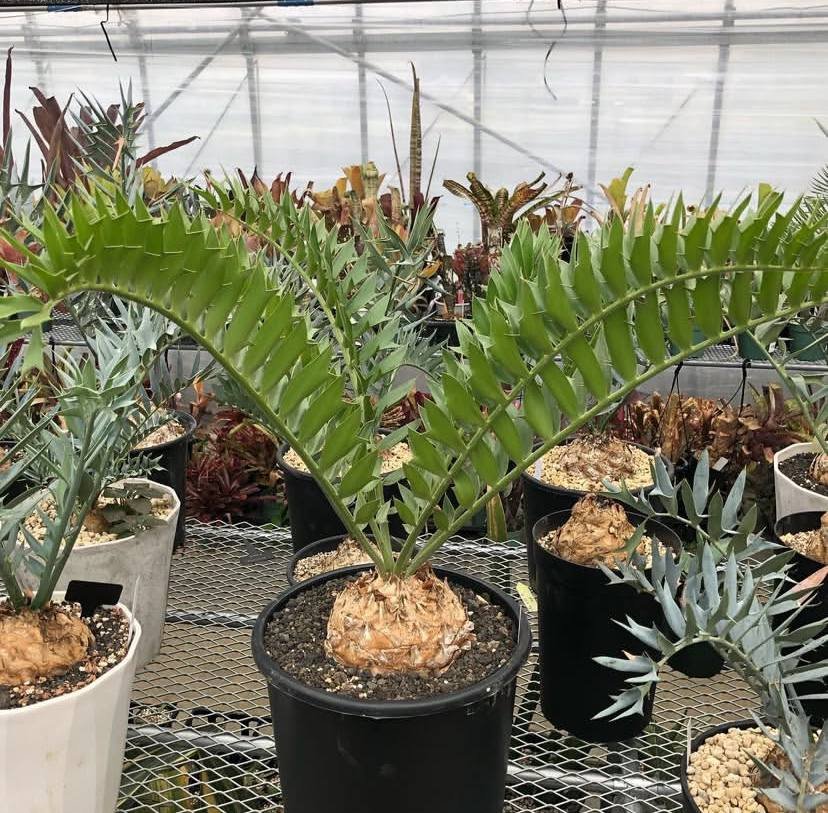
Unlike many other cycads, which have narrow, spiky leaves, the E latifrons is known for its broad, fan-like foliage. The plant typically grows into a large shrub or small tree, with a stout, columnar trunk. It produces striking, blue-green leaves that can reach up to 2 meters in length, making it an eye-catching addition to any garden.
Physical Characteristics of Encephalartos latifrons
The E latifrons is characterized by its dramatic, long leaves and slow-growing nature. Here are some of the key features of this cycad:
1. Large, Broad Leaves
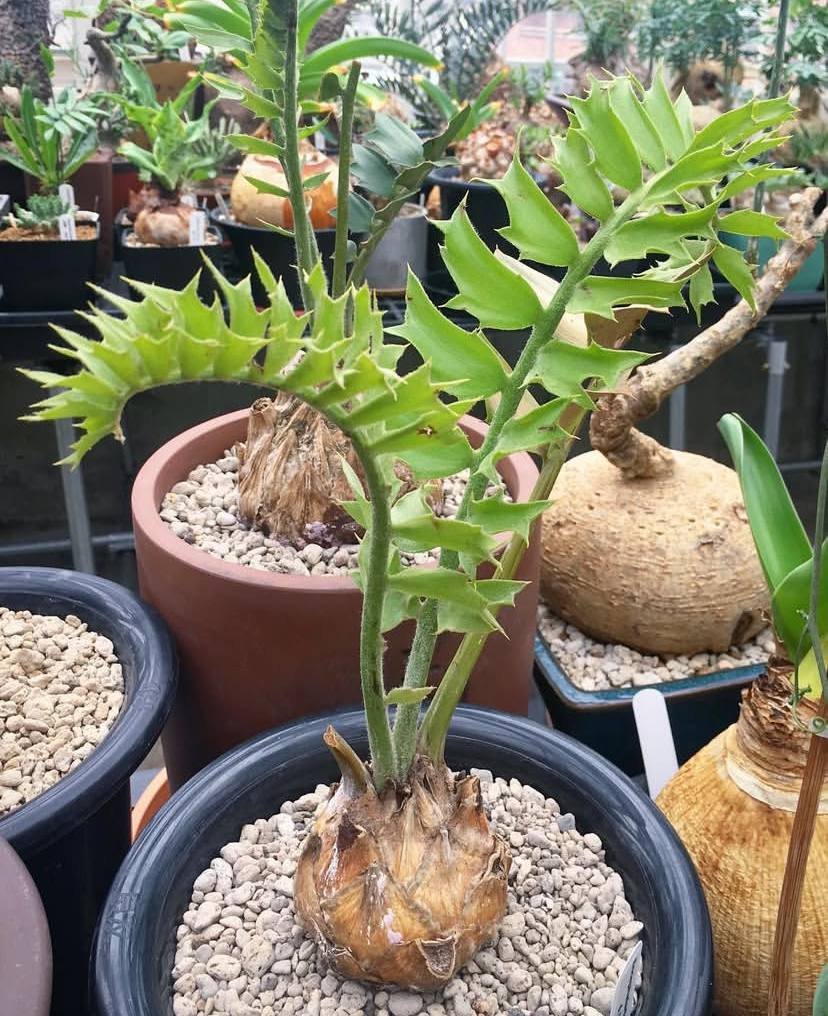
The leaves of E latifrons are one of its most notable features. They are large, arching, and have a striking blue-gray or bluish-green hue. The leaves can grow up to 2 meters long and 30 centimeters wide, giving the plant a very bold and exotic appearance.
2. Trunk and Growth Form
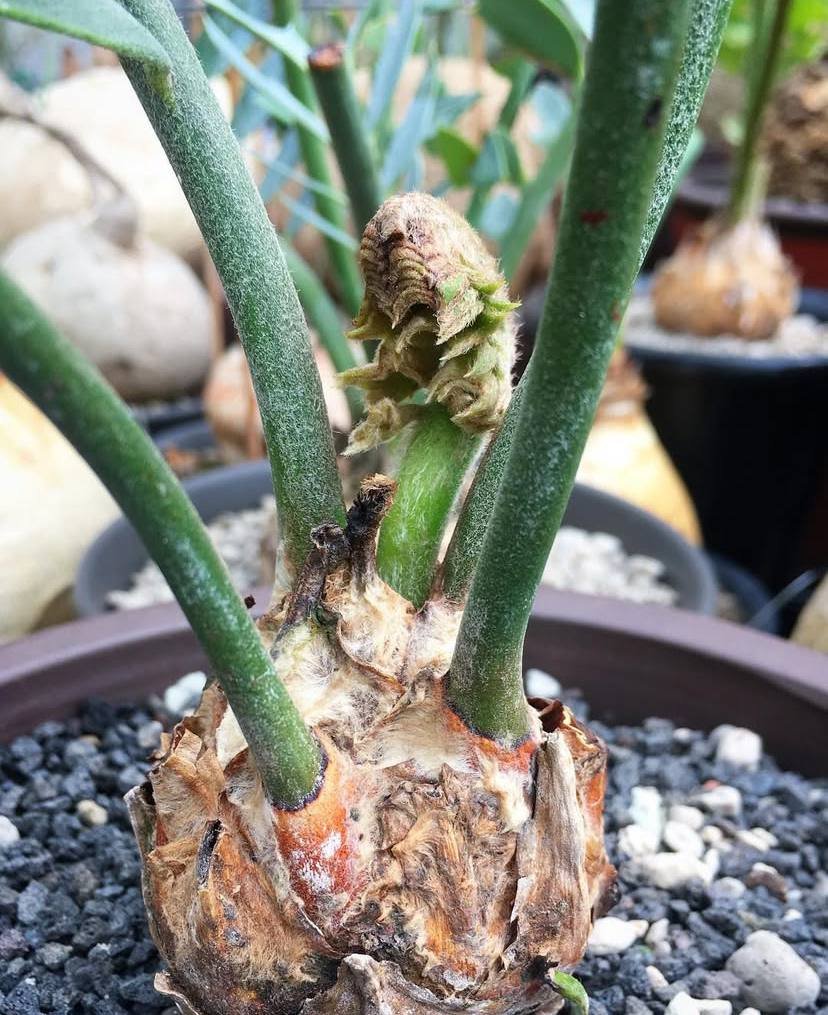
As a cycad, E latifrons typically forms a stout, cylindrical trunk that grows slowly over time. The trunk is usually covered in old leaf bases, which can give it a rough, textured appearance. The plant may grow up to 3 meters tall, although it’s more commonly found in gardens at a smaller size due to cultivation constraints .Shop plants at:caudexplants.com
3. Cone Formation
Like most cycads, E latifrons is dioecious, meaning that individual plants are either male or female. The male plants produce cones that are cylindrical and yellow, while the female plants develop larger, round cones that contain seeds. The cones are an important part of the plant’s reproductive process and can help identify the sex of the plant.

Habitat and Growing Conditions of Encephalartos latifrons
Encephalartos latifrons thrives in specific environments, which mimic its natural habitat in South Africa. These plants are best suited for well-drained soils, moderate temperatures, and a significant amount of sunlight. Here’s a look at the ideal growing conditions for Encephalartos latifrons:
1. Soil Requirements
E latifrons prefers well-drained, sandy or loamy soils that do not retain excessive moisture. Good drainage is critical to prevent root rot, a common problem in cycads. If you’re planting it in your garden, be sure to mix organic matter or sand into the soil to improve drainage.
2. Sunlight
This plant thrives in full sun to partial shade. In its native environment, E latifrons experiences intense sunlight, so it’s crucial to ensure that the plant receives adequate exposure to sunlight to maintain healthy growth and vibrant foliage. While it can tolerate some shade, the plant’s overall appearance and health will suffer without enough light .Shop plants at:caudexplants.com
3. Temperature Tolerance
Encephalartos latifrons is suited to warm climates and can tolerate moderate frost, though it is best to grow it in regions with temperatures above 10°C (50°F) year-round. The plant is native to areas with mild winters and hot, dry summers, which means it can handle drought conditions once established but may require protection from harsh frosts.
How to Care for Encephalartos latifrons
Caring for E latifrons requires an understanding of its unique needs. While it is a hardy plant, it still requires specific attention to thrive in your garden. Here are some tips on how to care for this remarkable cycad:
1. Watering
While E latifrons is relatively drought-tolerant, it still requires adequate watering during its growing season. It’s best to water the plant deeply but infrequently, allowing the soil to dry out completely between waterings. Overwatering can cause root rot, so make sure the soil is well-drained.
During the winter months, reduce watering, as the plant enters a dormant phase and does not require much moisture.
2. Fertilizing
Cycads like E latifrons benefit from regular feeding. Use a slow-release, balanced fertilizer during the growing season (spring and summer). A fertilizer with a higher phosphorus content can encourage healthy cone formation in mature plants. Avoid over-fertilizing, as this can damage the plant’s roots and cause excessive growth at the expense of the plant’s natural form .Shop plants at:caudexplants.com
3. Pruning and Maintenance
While E latifrons does not require heavy pruning, it’s important to remove any dead or damaged leaves periodically. This not only improves the plant’s appearance but also prevents pests and diseases from affecting the plant. Be sure to wear gloves when handling the plant, as the sharp leaf tips can cause injury.

Propagating Encephalartos latifrons
Encephalartos latifrons can be propagated through seeds or by removing offsets from mature plants. Here’s how to propagate this fascinating plant:
1. From Seeds
If you have a mature female E latifrons, you can collect seeds from the cones once they mature. The seeds need to be cleaned and dried before planting. Plant the seeds in a well-drained seed mix, and keep them in a warm, sunny location to encourage germination. It may take several months for the seeds to sprout, and the seedlings will grow slowly .Shop plants at:caudexplants.com
2. By Offsets
Mature plants of E latifrons may produce offsets at the base of the plant. These offsets can be carefully removed and planted in their own pots. Over time, the offsets will develop into independent plants. Ensure that you provide proper care during the establishment phase, including adequate light and moisture.
Common Pests and Diseases Affecting Encephalartos latifrons
Like all plants, E latifrons is susceptible to certain pests and diseases. While it is generally hardy, it’s important to be vigilant about potential issues. Common problems include:
1. Scale Insects
Scale insects are small, immobile pests that feed on the sap of cycads. These insects can cause yellowing of the leaves and may lead to stunted growth. You can treat scale insects by using insecticidal soap or a mixture of water and rubbing alcohol.
2. Fungal Infections
Fungal diseases like root rot can affect E latifrons if the plant is watered too frequently or if the soil does not drain properly. To prevent fungal infections, ensure that the plant is planted in well-draining soil and avoid overwatering.
3. Caterpillars and Leaf Eaters
Caterpillars and other leaf-eating insects may occasionally damage the foliage of the cycad. Regularly inspect the plant and remove any visible pests. Organic insecticides or neem oil can be effective against caterpillars.
Landscaping with Encephalartos latifrons
Encephalartos latifrons is a stunning addition to any garden or landscape. Its large, dramatic leaves and unique appearance make it a perfect focal point for ornamental plantings. Here are a few ideas for incorporating E latifrons into your landscape design:
1. Feature Planting
Due to its bold foliage and structural form, E latifrons works well as a feature plant in landscapes. It can be planted in the center of a garden bed or as a specimen plant on its own .Shop plants at:caudexplants.com
2. Xeriscaping
If you live in a region with limited rainfall, E latifrons is an excellent choice for xeriscaping. Pair it with other drought-tolerant plants like succulents, cacti, and hardy shrubs to create a low-water, low-maintenance landscape.
Conclusion: Why Choose Encephalartos latifrons for Your Garden
In conclusion, E latifrons is a remarkable and rare plant that adds an exotic touch to any garden. Its stunning leaves, slow growth, and adaptability to dry conditions make it a perfect choice for water-wise gardens and landscape designs. Though it requires specific care, the effort is well worth it for gardeners who appreciate the beauty and uniqueness of cycads.
Whether you’re looking for a statement plant for your garden or seeking to grow a living piece of natural history, E latifrons offers a variety of benefits. By following proper care guidelines, you can enjoy this stunning plant for years to come.