
Pachypodium Baroni
Pachypodium Baronii: The Perfect Addition to Your Plant Collection
If you’re looking for a unique and eye-catching plant to add to your collection, Pachypodium Baronii is the perfect choice. Buy your plants from caudexplants.com Known for its striking appearance and easy care, this succulent plant is gaining popularity among gardeners and plant enthusiasts. In this guide, we’ll explore everything you need to know about Pachypodium Baronii, including its care requirements, propagation methods, and where to find it.Order your Baronii plants from :caudexplants.com
What is Pachypodium Baronii?

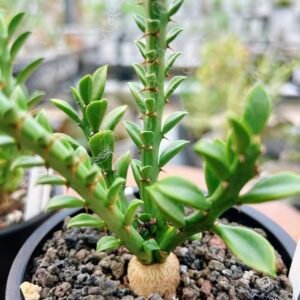
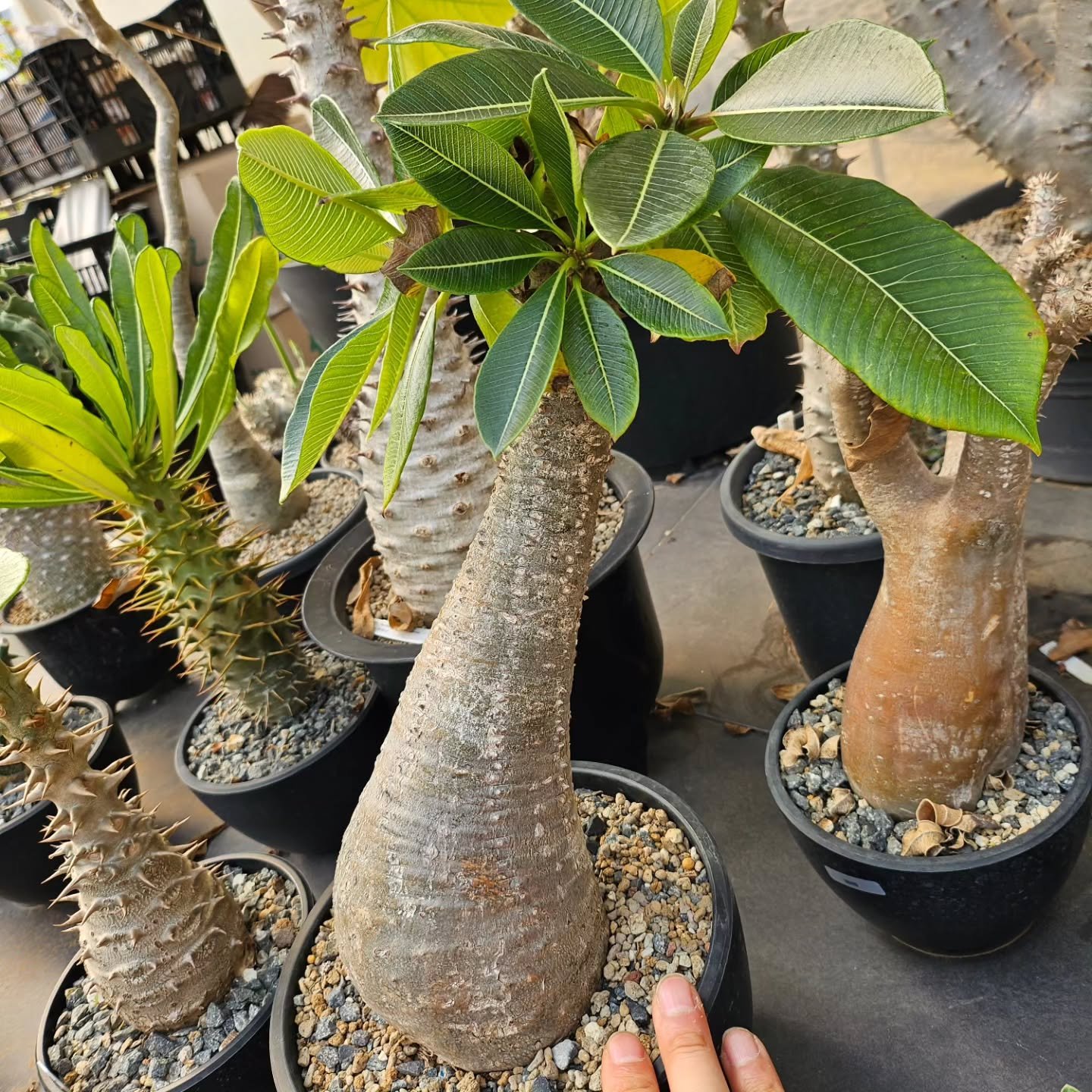
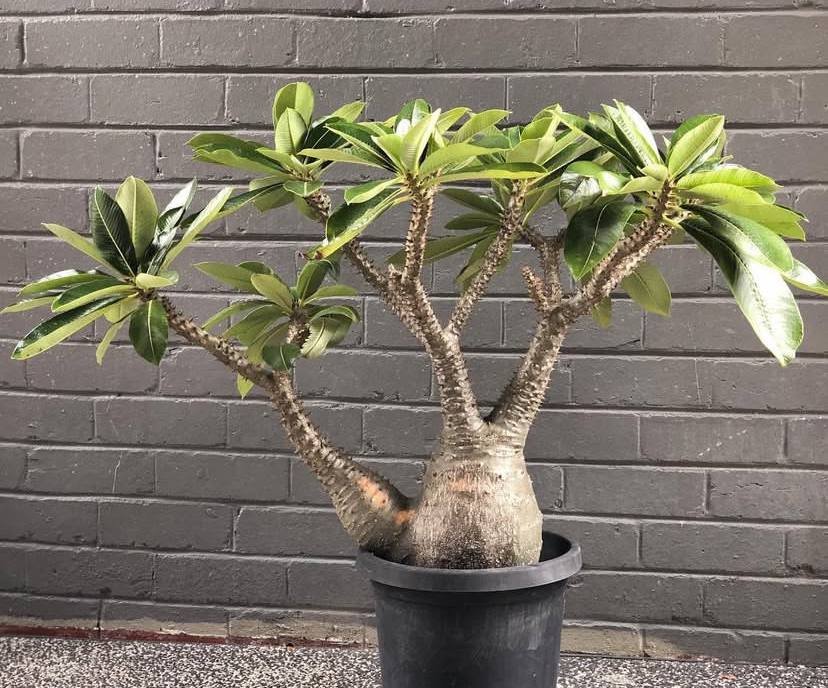
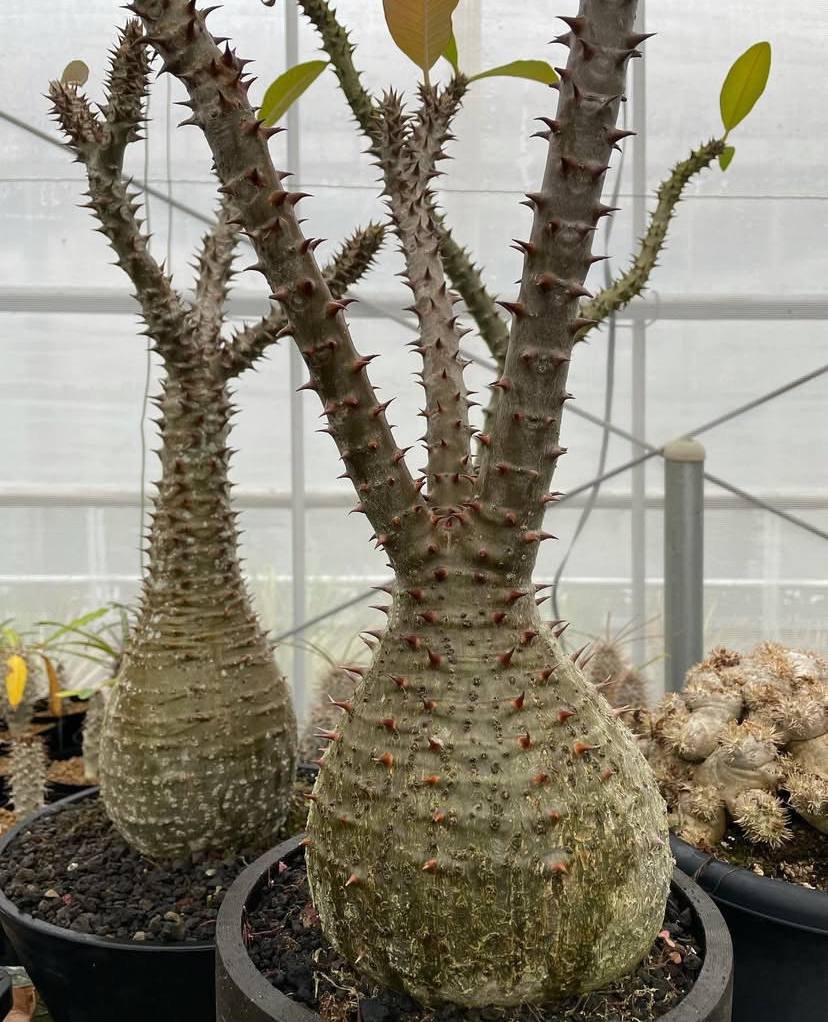
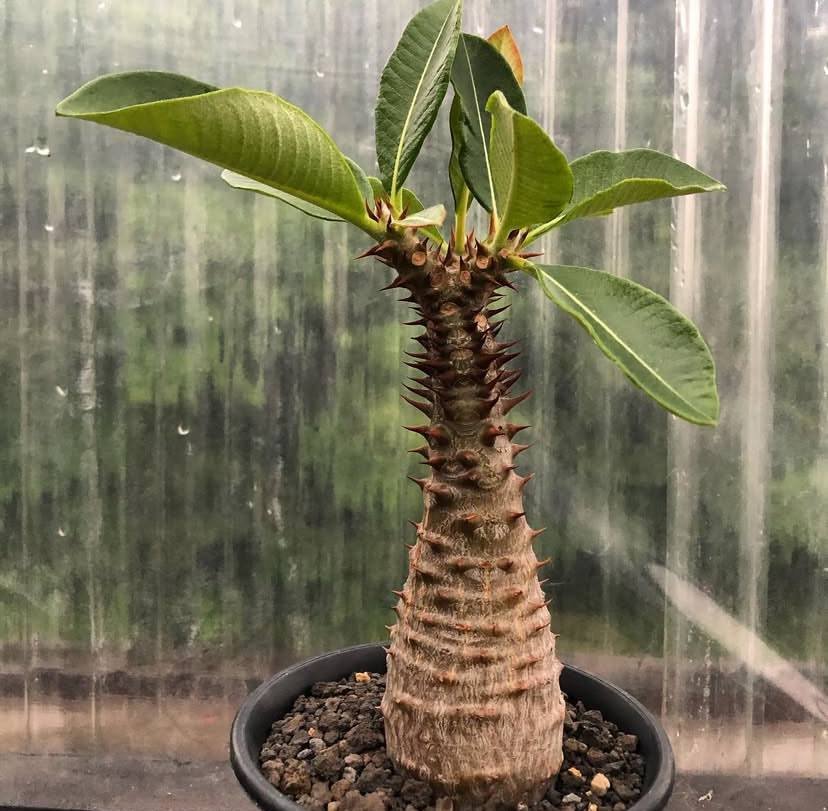
Pachypodium Baronii is a succulent species native to Madagascar. It belongs to the Apocynaceae family and is known for its large, spiny stem and beautiful green leaves. Buy your pachypodium baronii from :caudexshshop The plant is often referred to as the “Madagascar Palm” due to its palm-like appearance. However, it is technically a succulent and not a true palm. The Pachypodium Baronii can grow up to 10 feet tall in its natural environment but remains a more manageable size when grown indoors or in containers.
With its distinctive, thick trunk and glossy green foliage, Pachypodium Baronii adds a tropical flair to any space. Whether you are looking to cultivate it as a houseplant or as part of a larger garden design, this unique plant is sure to be a conversation starter.Buy your baronii from :caudexplants.com
Why Choose Pachypodium Baronii for Your Garden?
Choosing the right plant for your garden or home is essential, and Pachypodium Baronii stands out as a low-maintenance and attractive option. This plant thrives in a variety of conditions, making it an excellent choice for both beginners and experienced gardeners.Buy your plants from :caudexplants.com
Easy Maintenance and Care
One of the main reasons P Baronii is so popular among plant enthusiasts is because of its low-maintenance nature. Unlike many other tropical plants that require frequent watering or complex care routines, P Baronii is quite forgiving. It requires minimal watering and can withstand periods of drought, making it an ideal choice for those who may not have a green thumb. The plant’s thick, succulent stem stores water, enabling it to survive in arid conditions.order your plants here:caudexshop
Unique Aesthetic Appeal

The Pachypodium Baronii is not just easy to care for, but it also has a striking appearance that can transform any space. Its thick, woody trunk is covered in sharp spines, giving it a cactus-like appearance. The plant’s long, glossy leaves form a rosette at the top of the trunk, providing a beautiful contrast to the spiky body. In addition, P Baronii produces large, trumpet-shaped flowers in shades of white or yellow during its blooming season, further enhancing its aesthetic appeal.Order plants from :caudexplants.com
How to Care for Pachypodium Baronii
Caring for P Baronii is straightforward once you understand its basic requirements. Here are the key factors to consider when growing this remarkable plant.Order your caudexplants here;caudexplants.com
Light Requirements
Pachypodium Baronii thrives in bright, indirect light. If you are growing it indoors, place it near a window where it will receive ample sunlight without being exposed to direct rays. In regions with warm climates, Baronii can be grown outdoors, where it can receive full sunlight. However, make sure to protect the plant from harsh, direct sunlight during the hottest parts of the day, as this can cause the leaves to scorch.
Soil Requirements
Like many succulents, Baronii requires well-draining soil to thrive. A cactus or succulent mix is ideal, as it provides the right balance of moisture retention and drainage. If you’re planting P Baronii in a pot, make sure it has drainage holes to prevent water from accumulating at the bottom, which could lead to root rot.Order your caudex at :caudexplants.com
Watering
While P Baronii is drought-tolerant, it still needs occasional watering. Water the plant thoroughly when the top 2–3 inches of soil feel dry to the touch. Avoid overwatering, as this can cause the roots to rot. During the winter months, reduce watering to allow the plant to go into dormancy and conserve energy.Buy plants here:caudexshop
Temperature and Humidity
Pachypodium Baronii thrives in warm temperatures between 70°F to 90°F (21°C to 32°C). It can tolerate a range of humidity levels but prefers a moderate level of humidity, which is often found in typical home environments. If you are growing Pachypodium Baronii outdoors, ensure it is protected from frost, as it is not cold-hardy and can be damaged by temperatures below 50°F (10°C).
Fertilization
To encourage healthy growth, you can fertilize P Baronii during the growing season. Use a balanced, diluted fertilizer once every month. Be careful not to over-fertilize, as this can harm the plant. During the winter months, the plant is in its dormant phase, and it does not need any additional nutrients.
How to Propagate Pachypodium Baronii
If you’re interested in propagating P Baronii, you can do so through stem cuttings. Here’s a step-by-step guide to propagate this beautiful plant:
-
Take a Cutting: Using a clean, sharp knife, cut a healthy stem from the P Baronii plant. Make sure the cutting is at least 6–8 inches long and has a healthy, undamaged tip.
-
Let the Cutting Callus: After taking the cutting, allow the exposed end to dry and callus over. This process can take a few days. Letting the cutting callus helps prevent rot when it is planted.
-
Plant the Cutting: Once the cutting has callused, place it in a pot filled with well-draining soil. Ensure the cutting is upright, and water lightly to settle the soil.
-
Place in a Warm, Bright Location: Keep the cutting in a warm, bright spot with indirect sunlight. It should root in about 4-6 weeks.
-
Transplant: After the cutting has developed a strong root system, you can transplant it into a larger pot or garden bed.
Common Problems with Baronii and How to Solve Them
Although Baronii is generally a hardy plant, it can still face a few challenges. Here are some common problems you might encounter and how to address them.
Yellowing Leaves
If the leaves of your P Baronii are turning yellow, it could be a sign of overwatering. Ensure the soil is well-draining and allow it to dry out between waterings. Also, check the plant’s drainage to ensure water is not collecting at the base of the pot.
Spindly Growth
If the plant appears to be growing tall but not very thick, it may be a sign that it is not receiving enough light. Move the plant to a brighter location to encourage more compact growth.Shop pachypodium baronii here;caudexplants.com
Pests
P Baronii is relatively resistant to pests, but it can still attract mealybugs or spider mites. If you notice any pests on the plant, treat it with insecticidal soap or wipe the leaves with a damp cloth to remove them.Buy plants at caudexplants.com
Where to Buy Pachypodium Baronii
If you’re looking to add Baronii to your collection, you can find it at specialty nurseries, plant shops, and online retailers. Be sure to check the seller’s reputation and reviews before making a purchase to ensure you are getting a healthy plant. Online plant shops often offer a wider variety of P Baronii and can ship directly to your doorstep.Order plants here :caudexplants.com

Conclusion: Add Pachypodium Baronii to Your Collection
With its stunning appearance and minimal care requirements, Pachypodium Baronii is a must-have for any plant lover. Whether you want to grow it indoors as a unique houseplant or as part of a larger outdoor garden, this succulent is sure to impress. By following the care tips outlined in this guide, you can enjoy a healthy, thriving Pachypodium Baronii that will continue to bring beauty to your space for years to come.